Recent Mars Images Uncover Evidence of Past Ice Age
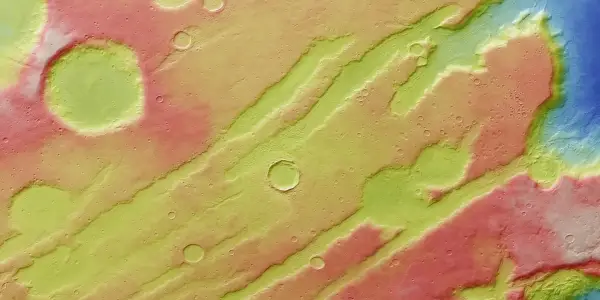
Images from Mars's Coloe Fossae provide insights into the planet's ancient ice age landscapes, featuring valleys, craters, and preserved debris flows from a time of significant climatic change.
In-depth analysis
Natural phenomena
The Coloe area of Mars reveals a complex geological history marked by long shallow grooves, deep valleys, and a multitude of impact craters. These features indicate the planet's experience of multiple ice ages over the last 2 billion years, driven by natural variations in its orbit and axial tilt. Recent imaging has uncovered Coloe Fossae, showcasing the remnants of ancient glacial movements.
Impact on communities
The findings from the Coloe region enhance understanding of Martian climate history, which could inform future exploration plans. Insights into ice age patterns may aid in selecting potential landing sites for missions aimed at studying past climate conditions.
Scientific updates
Recent images from ESA's Mars Express have provided crucial evidence of glacial activity in the Coloe area. These observations reveal well-preserved craters alongside eroded ones, indicating a dynamic history of ice movement and climatic shifts. The study of these formations is pivotal for understanding Mars's climatic evolution.
Future outlook
Ongoing research into Mars's climatic history may unlock further insights into its past, particularly regarding ice formation beyond the poles. Future missions could explore these glacial features to deepen knowledge of planetary climate dynamics and their implications for potential habitability.
Did you know?
Why this matters for our planet
Understanding Mars's climatic history offers crucial insights into Earth's own changing climate. The natural ice ages on Mars remind us that climate shifts are part of planetary evolution. Recognizing these patterns can inform our strategies for dealing with climate change on Earth, as we explore how celestial dynamics influence weather and ecosystems, prompting us to consider long-term sustainability.
Earth's undiscovered wonder
Mars's Coloe region features glacial formations that resemble Earth's ice movements, even though they are located far from the planet's poles. This phenomenon suggests that ice can exist in varied climates and distances from the equator, challenging our understanding of where and how ice can form in the universe.
The voice of Earth
Marcus, 34, from Chicago, has always been captivated by ice and its transformative power. As a child, he would visit frozen lakes, marveling at the intricate patterns of frost. When he learned about the glacial features on Mars, it struck a chord with his passion for nature's cycles. Inspired, he began volunteering for local environmental initiatives, advocating for climate awareness. Marcus feels a deep connection to the idea that ice can shape worlds, both on Earth and beyond, motivating him to protect our planet's fragile ecosystems.
Interstellar Comet 3I/ATLAS Reaches Perihelion,...
Significant Solar Activity Forecasted to Cause...

Reassessing Economic Growth: Valuing Natural...
Blue Origin's New Glenn Rocket Set to Launch...
VTN Architects Completes Nuoc Ui School in...
First Mosquito Sightings in Iceland Linked to...

Intaaya Retreat in Indonesia Features Innovative...
Innovative Engine Harnesses Deep Space Energy for...

Reassessing the Impact of Farmed Seafood on Ocean...

WhatsApp Security Vulnerability Exposes 3.5...
Study Reveals Fast Healing of Deep Earthquake...
New Research Sheds Light on Jet Streams of Gas...
Young Star V1298 Tau Sheds Light on Planet...
Abrams Studios Announces New Sci-Fi Exploration...

Putin Initiates Strategic Plan for Russia's Rare...

Indigenous Activists Challenge COP30's Rainforest...
New Study Reveals Microbes Colonizing Freshly...

Coyote vs. Acme Blends Looney Tunes with...
Sun Emits Second-Strongest Flare of 2025, Causing...
Jupiter's Rapid Spin Influences Water...
NASA's Mars Sample Return Mission Faces...

Exploring the Depths of Nature: Boyd Varty's...
Embracing the Light: A Reflection on Our...
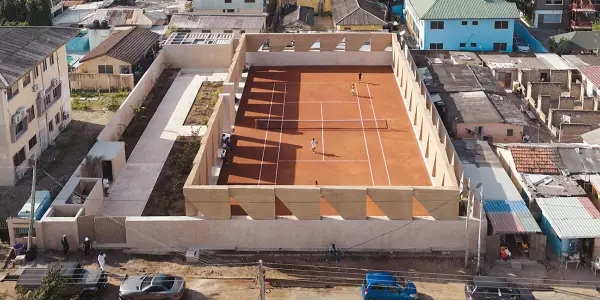
Innovative Precast Rammed Earth Tennis Court...
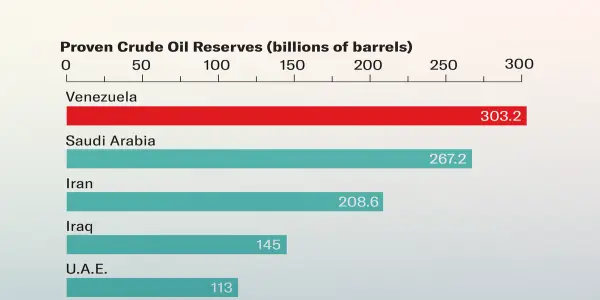
The Allure of Venezuela's Oil Reserves: Analyzing...
Innovative Gel Shows Promise in Regenerating...

Catherine O’Hara, Iconic Actress from...

Top Organic Mattresses of 2025: Birch, Avocado,...
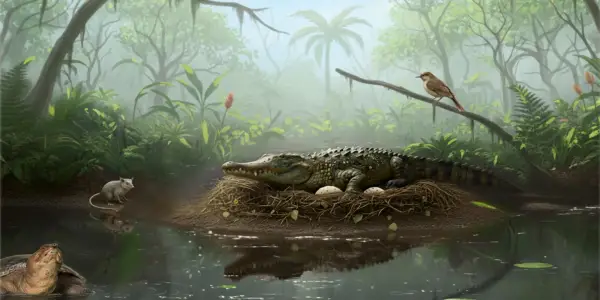
Ancient Crocodile Fossils Unearthed in Australia...
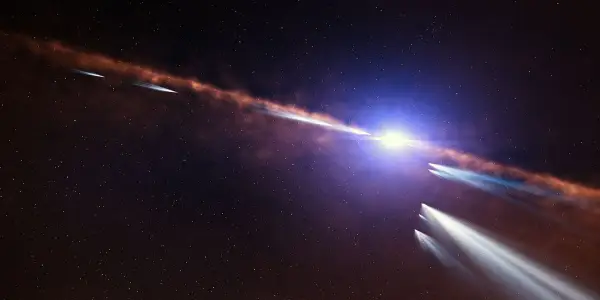
Exocomets Detected Around Distant Stars
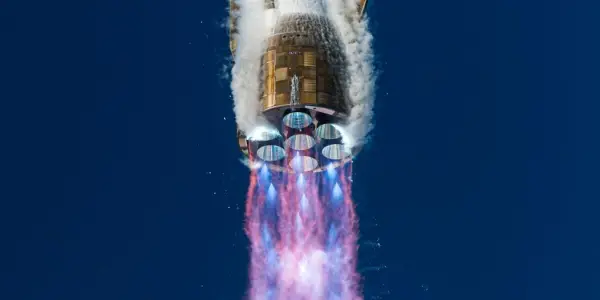
New Glenn Rocket Completes Successful Test...
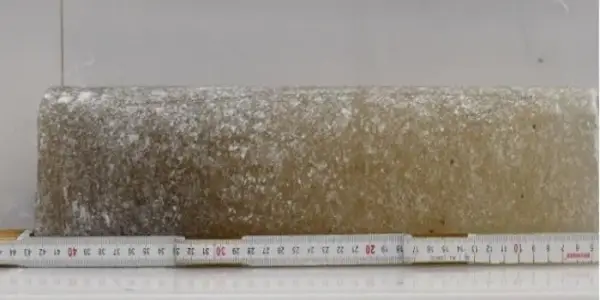
Ancient Air Trapped in 6-Million-Year-Old...
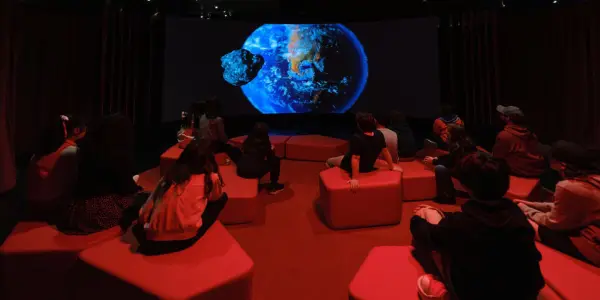
American Museum of Natural History Launches...

Tennessee's Nature-Based Solutions for Health and...
Upcoming Venus Missions Set to Explore Earth's...

New Insights into 'Project Hail Mary' Reveal...
Artemis II Sparks Renewed Interest in Lunar...
Insights into Lithospheric Dynamics from Turkana...
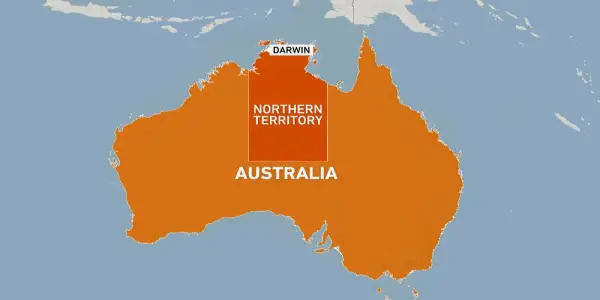
Damage Assessment Underway in Northern Australia...