Italy Approves Extradition of Suspected Nord Stream Pipeline Saboteur to Germany
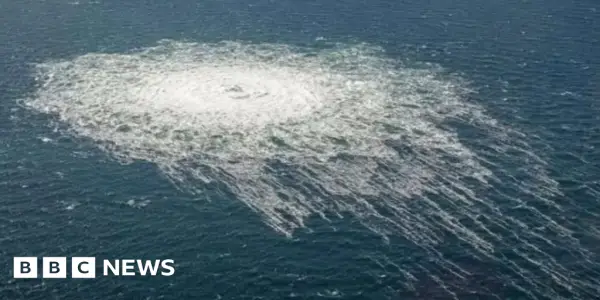
Serhiy Kuznetsov, a former Ukrainian military officer, faces charges of anti-constitutional sabotage in Berlin related to the Nord Stream gas pipeline explosions.
In-depth analysis
Background context
The extradition of Serhiy Kuznetsov, a former Ukrainian military officer, to Germany marks a pivotal moment in the ongoing geopolitical tensions surrounding the Nord Stream gas pipelines. Damaged in September 2022, these pipelines have become a focal point of international scrutiny, with investigations revealing complex involvement from various parties amid the backdrop of the Russia-Ukraine conflict.
Key political implications
Kuznetsov's extradition could exacerbate diplomatic strains between Ukraine and Germany, complicating military aid dynamics as Germany navigates its role in supporting Ukraine against Russian aggression.
Who gains / who loses
Germany may strengthen its legal stance against perceived threats to its infrastructure, while Ukraine risks losing support from its allies if its military personnel are seen as engaging in sabotage. This situation creates a delicate balance of accountability and defense.
Possible future scenarios
The outcome of Kuznetsov's trial could either solidify Germany's commitment to legal accountability or provoke backlash from Ukraine, potentially leading to increased tensions and impacting international alliances in the region.
Did you know?
Why you should know this
The extradition of Serhiy Kuznetsov marks a pivotal moment in the ongoing conflict between Ukraine and Russia, influencing not just military aid dynamics but also energy security in Europe. As the Nord Stream pipelines are crucial for gas supply to Germany, public awareness of this case sheds light on how geopolitical tensions can directly affect energy prices and stability in everyday life.
Behind the political curtain
In a twist of irony, Germany has been a major supplier of military aid to Ukraine while also pursuing legal action against individuals like Kuznetsov, whom many Ukrainians view as freedom fighters. This dual role complicates Germany's diplomatic stance and reflects the intricate balance of support and accountability in conflict.
Ordinary person in an extraordinary situation
Consider 35-year-old Oksana, a Ukrainian mother living in Berlin. Since the onset of the war, she has experienced both the support of her new home and the anxiety of political developments. Oksana sees Kuznetsov’s extradition as emblematic of her country’s struggle; she grapples with conflicting emotions. While she understands the importance of rule of law, she also fears that prosecuting Kuznetsov could alienate potential allies. For Oksana, this case isn't just a headline—it's a reminder of the precarious situation that millions face as the war continues to reshape lives and relationships in Europe.

The Rise of Technocracy in Modern Governance

Trump Announces Closure of Venezuelan Airspace...
U.S. Embassies Redefine Human Rights:...
New England Senators Play Crucial Role in...

Regulatory Frameworks Needed for AI in Mental...
Boeing 777X: The Long Wait for Innovation and...
Cuba Rejects U.S. Security Threat Claims Amid...
U.S. Extends Sanctions Relief as Syrian Leader...

Spain's Attorney General Convicted in...
Colombia's ELN Rebels Intensify Military Drills...

European Automakers Face New Chip Shortage as...
Former Preschool Cook Sentenced for Molesting...
Russian and Indian Foreign Ministers Convene...

Jetpack Navigation 3 Achieves Stability for...
Explosion at Tennessee Munitions Facility Leaves...
Six Finalists Announced for the 2026...
Trump's Bold Foreign Policy Yields Progress in...
Denmark's Prime Minister Advocates for Stricter...
Mamdani Emerges Victorious in NYC Mayoral Race...
Lessons from Ulysses S. Grant on Civil-Military...
Saudi Crown Prince's Invitation to the White...
Bangladesh's International Crimes Tribunal...

Challenges Faced by Costumes in 'Mighty Morphin...
Assessing Trump's Nobel Peace Prize Worthiness...
Canada's Carney to Meet Xi in China, Signaling a...
Exiled Russian Orthodox Leader Responds to Spying...
Germany Resumes Arms Exports to Israel Amid...

Baden Bower Reduces Pitch-to-Publish Timeline by...

EA Raises Concerns Over Sale to Saudi Arabia's...
Trump Considers Tomahawk Missile Support for...
Political Reactions to BBC Leadership Changes...
Understanding Donald Trump’s Vision of Military...

The 1969 Sino-Soviet Border Conflict: A Near Miss...

Exploring Intimacy and Isolation in Claire-Louise...
Sanae Takaichi Elected as Leader of Japan's...
Geopolitical Tensions Surround Palau Amid...

Ireland Moves Forward with Bill Targeting Israeli...
Trump Addresses Nuclear Testing, Government...
Japan Reacts Strongly to China's Travel Advisory...
Trump to Engage with Syrian Leader Following...