Iran and UN's Nuclear Deal: Diverging Perspectives Amid Renewed Cooperation
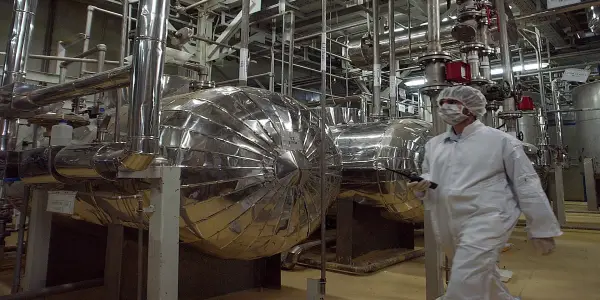
Recent statements from Iran and the UN's nuclear watchdog highlight contrasting views on a new agreement aimed at restoring cooperation following tensions triggered by the Israel-Iran conflict.
In-depth analysis
Background context
The recent agreement between the IAEA and Iran reflects a critical moment in their historically strained relationship, particularly following the U.S. withdrawal from the JCPOA in 2018. Heightened tensions have arisen from military actions targeting Iran’s nuclear facilities, complicating oversight and verification efforts by the IAEA amid ongoing geopolitical shifts.
Key political implications
The differing interpretations of the agreement may exacerbate tensions between Iran and Western powers, particularly the U.S., which could lead to renewed sanctions and further diplomatic isolation for Iran.
Who gains / who loses
The IAEA may gain credibility by asserting its oversight role, potentially enhancing its influence in nuclear non-proliferation efforts. Conversely, Iran risks losing sovereignty over its nuclear program if it cannot negotiate favorable terms, while Western nations may face increased instability in the region.
Possible future scenarios
Future developments could see either a constructive path toward increased cooperation and transparency, or a breakdown in dialogue, leading to escalated tensions and potential military confrontations in the region.
Did you know?
Why you should know this
This agreement between the IAEA and Iran has direct implications for global security and energy markets. As tensions escalate, the stability of nuclear programs impacts not just regional players, but also countries reliant on stable oil supplies. Heightened conflict could lead to price surges at the pump and affect everyday consumers, making this an issue that reaches far beyond politics.
Behind the political curtain
A lesser-known aspect of the IAEA's relationship with Iran is that since the U.S. exited the JCPOA, the agency has faced unprecedented scrutiny and challenges in verifying Iran's nuclear activities, leading to a significant increase in its operational costs and complexity.
Ordinary person in an extraordinary situation
Meet Leila, a teacher in Tehran whose daily life is intertwined with the uncertainties of her country's nuclear ambitions. While she dreams of a peaceful future for her students, Leila grapples with the tension surrounding Iran's nuclear program. The recent agreement gives her a flicker of hope that diplomacy might prevail, but she remains cautious. Leila worries how military actions and international sanctions could disrupt her community and affect her students' dreams of studying abroad. For her, the stakes are personal; a stable Iran means a brighter future for the next generation. As she navigates these turbulent times, her story underscores how geopolitical decisions reverberate in the lives of everyday people.
Expert Commentary

Challenges Faced by Costumes in 'Mighty Morphin...

Exploring Intimacy and Isolation in Claire-Louise...

European Automakers Face New Chip Shortage as...

Ireland Moves Forward with Bill Targeting Israeli...

Mamdani Emerges Victorious in NYC Mayoral Race...
Javier Milei's Victory Signals a Shift in...
Trump Considers Tomahawk Missile Support for...
U.S. Embassies Redefine Human Rights:...
Iraq's Parliamentary Elections: Key Insights...

Jetpack Navigation 3 Achieves Stability for...
Protests Erupt Across Italy Amid Gaza Conflict,...
Japan Protests China's Travel Advisory Amid...
Geopolitical Tensions Surround Palau Amid...
The Israel-Hamas Ceasefire: A Critical Moment...

Pope Leo Embarks on First International Trip to...
South Korea Rebuilds Trust and Reassesses Foreign...
Political Reactions to BBC Leadership Changes...
Trump Appoints Special Envoy to Greenland,...

New Advocacy Report Urges Action Against Child...
Colombia's ELN Rebels Intensify Military Drills...
Understanding Donald Trump’s Vision of Military...
Sanae Takaichi Elected as Leader of Japan's...
NASA Unveils Stunning Images of Interstellar...
New England Senators Play Crucial Role in...
South Africa's G20 Presidency: A Mixed Legacy of...
Exiled Russian Orthodox Leader Responds to Spying...
Trump to Engage with Syrian Leader Following...
Canada's Carney to Meet Xi in China, Signaling a...
US Passport Ranking Dips to Lowest Level in...
Is the U.S. Reassessing Its Stance on Israel...
Jim Avila, Esteemed ABC News Correspondent, Dies...
The Role of Palestinian Statehood in Advancing...
The 1969 Sino-Soviet Border Conflict: A Near Miss...
UK Officials Under Scrutiny Following Collapse of...

Reddit Enhances App Performance with R8...
Intensified Clashes Erupt Between Afghan and...
Indian Trade Unions Rally Against New Labour...
Ghanaian Lawmakers Discover New Opportunities in...
Trump Reverses Stance on Greenland After UK...
Israel Seeks Diplomatic Renewal with Bolivia...