Turkey's Dual Strategy: Military Action and Diplomatic Engagement with Syria
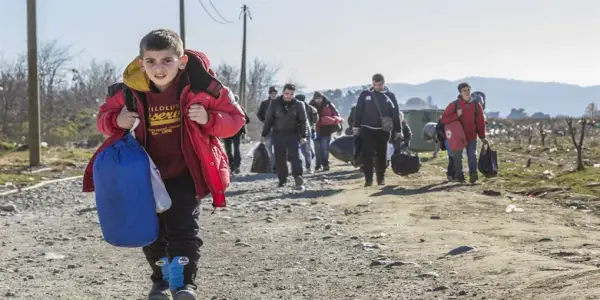
Turkey's recent maneuvers in Syria demonstrate a strategic blend of military presence and diplomatic overtures aimed at enhancing its regional influence and addressing domestic challenges.
In-depth analysis
Background context
Turkey's recent actions in northern Syria highlight a significant shift in its foreign policy, combining military engagement with renewed diplomatic relations with Damascus. President Erdoğan's administration has appointed an ambassador to Syria for the first time in years, while extending military operations, reflecting a strategy to address both security concerns and regional stability.
Key political implications
This dual strategy enhances Turkey's influence in the region, signaling a commitment to maintaining military presence while engaging diplomatically, which may alter power dynamics among neighboring countries.
Who gains / who loses
Turkey stands to gain increased control over northern Syria, potentially neutralizing perceived threats from Kurdish forces. However, prolonged military operations may deter foreign investment, impacting domestic economic recovery and stability.
Possible future scenarios
Turkey's approach could lead to a more entrenched military presence in Syria, potentially escalating tensions with Russia and the Syrian government, while also influencing its economic recovery efforts through strategic diplomatic engagements.
Did you know?
Why you should know this
Turkey's evolving strategy in Syria impacts not only regional stability but also the lives of millions, including Syrian refugees in Turkey. With diplomatic relations re-established and military mandates extended, the reshaping of power dynamics could influence security, migration patterns, and economic opportunities for everyday citizens. Understanding these shifts is essential for anyone concerned about peace and stability in the region.
Behind the political curtain
Turkey's recent diplomatic overture to Syria is notable not just for its timing but also because it's the first ambassadorial appointment since the onset of the Syrian civil war in 2011. This marks a significant shift in Turkey's long-standing stance towards President Bashar al-Assad.
Ordinary person in an extraordinary situation
Consider Fatima, a 34-year-old Syrian refugee living in Turkey. She fled Aleppo with her three children, seeking safety and stability. As Turkey shifts its approach toward Syria, Fatima feels a mix of hope and anxiety. The reopening of diplomatic channels might mean a chance for her family to return home safely, but the extension of military operations leaves her wondering about the long-term implications for peace. For Fatima, each political decision has real consequences: will her children eventually know a safe and secure Syria? The intertwining of military and diplomatic efforts reflects her struggle for a brighter future amidst uncertainty.
Iraq's Parliamentary Elections: Key Insights...
European Automakers Face New Chip Shortage as...
Bangladesh Seeks India's Assistance in...
Mamdani Emerges Victorious in NYC Mayoral Race...
Saudi Crown Prince Mohammed bin Salman Set for...
US Tariffs Impact Nuevo Leon's Steel Sector,...
Tarique Rahman's Homecoming: A Potential Turning...
Geopolitical Tensions Surround Palau Amid...

EA Raises Concerns Over Sale to Saudi Arabia's...
Revitalizing Relations: The Future of the...
Jared Isaacman Renominated as NASA Administrator...

WWE Raw Recap: Titles Change Hands in Thrilling...
Texas Governor Abbott Designates CAIR as a...
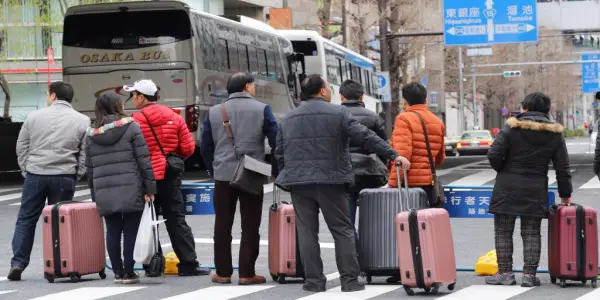
Japan Protests China's Travel Advisory Amid...
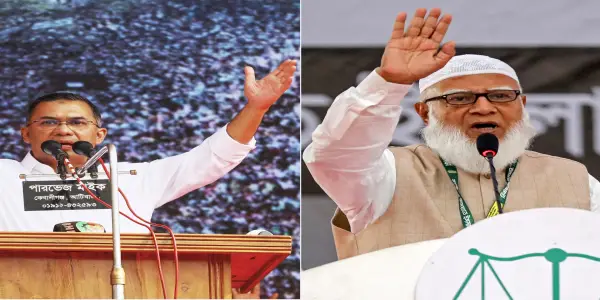
Bangladesh's Upcoming Election: Key Political...
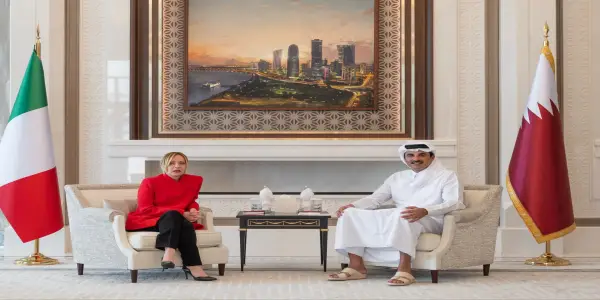
Italy's Meloni Engages with Qatar Emir on Energy...
Jim Avila, Esteemed ABC News Correspondent, Dies...
Trump Addresses Nuclear Testing, Government...
U.S. Authorities Detain British Journalist Linked...
Exiled Russian Orthodox Leader Responds to Spying...
Germany Resumes Arms Exports to Israel Amid...
Canada Decides Against Public Disclosure of Nazi...
Saudi Crown Prince's Invitation to the White...
Mamdani's Victory: A Turning Point for the...

Apple Achieves Unprecedented Financial Success in...

The Fate of the Maquis in Star Trek: A Missed...
Six Finalists Announced for the 2026...

Exploring Intimacy and Isolation in Claire-Louise...

Baden Bower Reduces Pitch-to-Publish Timeline by...
Limited Expectations as Trump and Xi Approach...
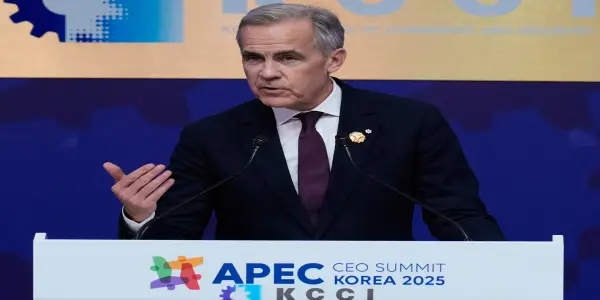
Canada and China Take Steps Toward Repairing...
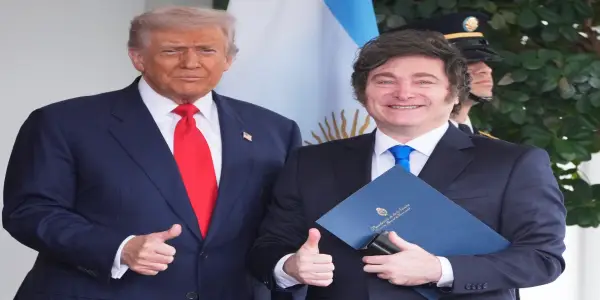
Javier Milei's Victory Signals a Shift in...
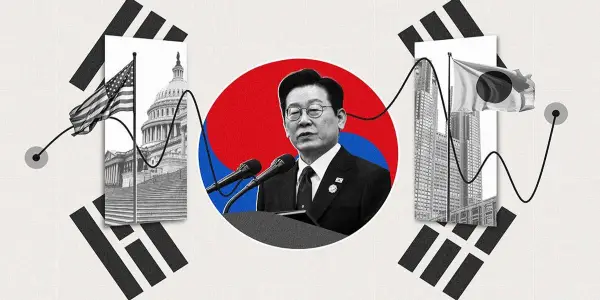
South Korea Rebuilds Trust and Reassesses Foreign...
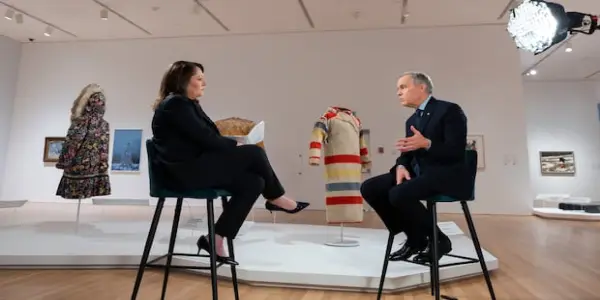
Mark Carney Discusses Political Transition During...
Colombia's ELN Rebels Intensify Military Drills...

The Rise of Technocracy in Modern Governance
New England Senators Play Crucial Role in...
Key Insights from Trump's National Security...

New Advocacy Report Urges Action Against Child...
UK Finalizes £8 Billion Typhoon Fighter Jet...