Moss Survives Nine Months in Space, Shows Potential for Growth on Earth
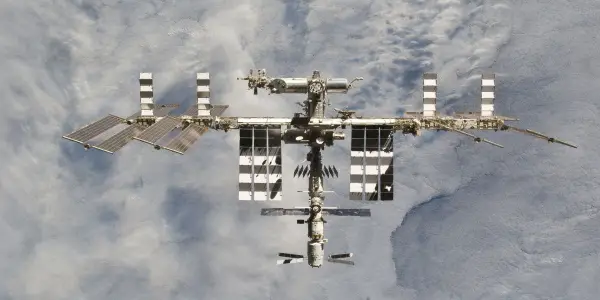
Moss spores have defied the odds by surviving nine months in space, revealing their resilience and potential for growth on Earth after enduring harsh conditi...
In-depth analysis
Natural phenomena
Moss spores have demonstrated an unexpected resilience to the extreme conditions of space, surviving for nine months aboard the International Space Station. Despite the vacuum, microgravity, and harsh radiation, these ancient organisms maintained their viability, showcasing their unique evolutionary adaptations. The study reveals that while UV radiation posed significant challenges, the spores' reproductive structures exhibited remarkable durability.
Impact on communities
The findings from this study could inspire future scientific endeavors aimed at developing sustainable life-support systems for long-duration space missions. Communities involved in space research may benefit from advancements in understanding how terrestrial life can adapt to extraterrestrial environments.
Scientific updates
Recent research published in iScience highlights the surprising survival capabilities of moss spores in space. Conducted by a team from Hokkaido University, the study revealed that over 60% of the spores survived their journey, with many still able to germinate despite exposure to extreme conditions and reduced chlorophyll levels.
Future outlook
The potential for moss spores to survive up to five years in space opens new avenues for research in astrobiology. This resilience may play a crucial role in future efforts to create sustainable ecosystems on other celestial bodies, such as the Moon and Mars.
Did you know?
Why this matters for our planet
The resilience of moss spores in space has profound implications for future space exploration and potential colonization. As scientists look to establish ecosystems on the Moon and Mars, understanding how Earth’s oldest plants can survive extreme conditions is crucial. This research not only enhances our knowledge of life’s adaptability but also raises hopes for sustainable living beyond our planet, affecting how we think about life in the universe.
Earth's undiscovered wonder
Mosses are among the most ancient plants on Earth, dating back over 400 million years. Interestingly, they lack a vascular system, which allows them to thrive in varied environments, making them unique survivors. Their ability to adapt and endure harsh conditions showcases the incredible versatility of life on our planet.
The voice of Earth
Marcus, 34, from Chicago, found solace in nature during a tough phase of his life. One day, while hiking in a local forest, he stumbled upon a patch of vibrant moss. Intrigued, he learned about their ancient resilience and how they can survive in extreme conditions. This discovery inspired him to volunteer for environmental conservation, emphasizing the importance of preserving such hardy life forms. For Marcus, understanding moss became a metaphor for hope and resilience, not just for the planet, but for his own journey as well.
Exploring Sustainable Approaches to Deep-Sea...

US Government to Halt SNAP Benefits Amid Ongoing...
FX Confirms Season 2 Renewal for 'Alien: Earth'

Protests Erupt at COP30 Climate Summit in Belém
China's Astronauts Return Safely, but Another...

Innovative Use of Underwater Speakers Aims to...

Exploring the Conclusion of 'Predator: Badlands'
NASA's Mars Sample Return Mission Faces...
Blue Origin's New Glenn Rocket Set to Launch...

Portable Libraries: A Lifeline When Internet...

Intense Solar Activity: Sunspot Region Produces...
Natural History Museums: Essential Partners in...
Upcoming Venus Missions Set to Explore Earth's...
Abrams Studios Announces New Sci-Fi Exploration...
Blue Origin's New Glenn Rocket Successfully Lands...
Exploring Iterative Creativity: Pelicans on...

Indigenous Activists Challenge COP30's Rainforest...

Exploring Sustainable Methods for Rare Earth...

Post-Artemis 2: What Insights Will Scientists...
Insights into Lithospheric Dynamics from Turkana...
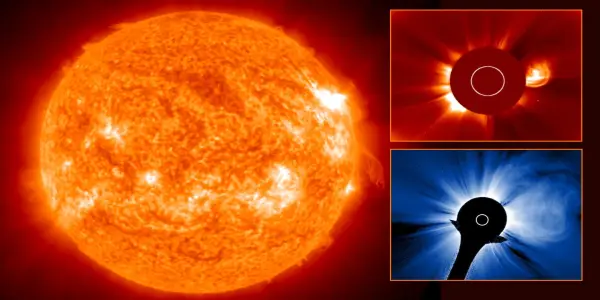
Sun Emits Second-Strongest Flare of 2025, Causing...
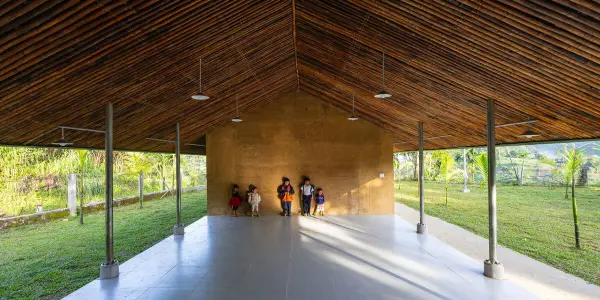
VTN Architects Completes Nuoc Ui School in...

China's Meng Xiang Ship Aims for Record-Setting...
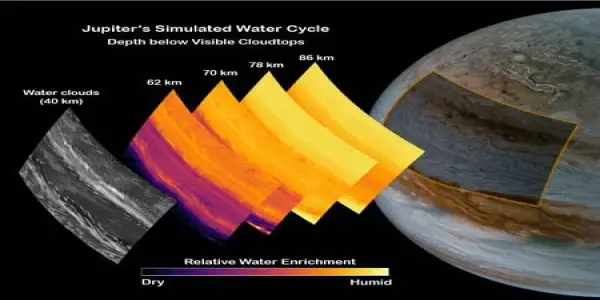
Jupiter's Rapid Spin Influences Water...
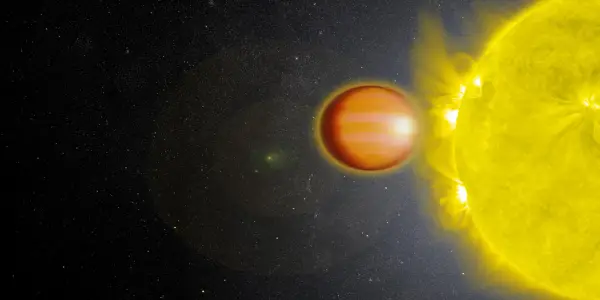
James Webb Space Telescope Reveals First 3D...

November's Full Supermoon: A Celestial Event to...

Turkey Declines Rare Earth Element Sales to the...

Rising Frustration in Aceh as Flood Relief...
Steven Spielberg Steps Back from Sci-Fi Series...

Aging Stars Pose Threat to Nearby Planets, New...

Mars Express Reveals Evidence of Ancient Ice Age...
Understanding the Formation of Tectonic Plates
New Research Suggests Water Could Form During...
New Research Sheds Light on Jet Streams of Gas...

Google Launches WeatherNext 2: Enhanced AI...

Apple Offers Support Following Fire in Hong Kong
Innovative Technique Utilizes Dragonberry Weed to...
Exploring the Nature of Intelligence: Insights...