World Space Week Kicks Off with ‘Observe The Moon Night’ and ‘100 Hours of Stargazing’
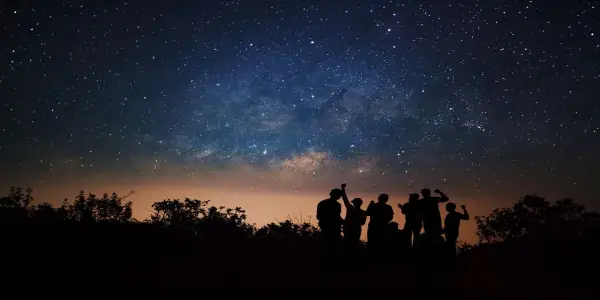
The celebration of World Space Week, running from October 4 to 10, begins with the much-anticipated International Observe the Moon Night and a global stargazing initiative titled '100 Hours Under One Sky.'
In-depth analysis
New discoveries
World Space Week emphasizes the ongoing exploration of the moon, encouraging both amateur and experienced astronomers to observe its features, such as craters and the terminator line. This year's events coincide with a waxing gibbous moon, providing an ideal opportunity for enhanced lunar observation and fostering a deeper understanding of our celestial neighbor.
Mission updates
NASA has launched a new online platform for the International Observe the Moon Night, offering resources to facilitate public engagement in lunar observations. This initiative aims to connect individuals with the science of astronomy.
Who is affected
The initiatives surrounding World Space Week are designed to engage a wide audience, including astronomy enthusiasts, students, and families. By promoting accessible stargazing activities, the events aim to inspire individuals who may not have previously explored the field of astronomy.
Next steps
Participants are encouraged to take part in local stargazing events and challenges designed for beginners. These activities aim to foster a lasting interest in astronomy, ensuring that the excitement of discovery continues beyond World Space Week.
Did you know?
Why we should care
World Space Week isn't just about stars; it’s an invitation for everyone to connect with the cosmos. By participating in events like International Observe the Moon Night, families can share a unique bonding experience, sparking curiosity in children and adults alike. Observing the moon's craters through a telescope might ignite a lifelong passion for science or simply create cherished memories of a night spent together under a starlit sky.
The universe's unsolved mystery
The moon has captivated humanity for centuries, yet it remains a source of profound questions. Despite extensive study, mysteries such as the origin of its unique geological features and the potential for ancient water sources linger. Each lunar observation not only enriches our understanding of Earth's closest celestial body but also deepens our appreciation of the universe’s complexities, urging us to seek answers beyond what we currently know.
The person who looks at the stars
Meet Clara, a high school teacher from Dublin who finds solace in the night sky. Every full moon, she organizes stargazing nights for her students, encouraging them to leave their screens behind and embrace the wonders above. For Clara, these moments are transformative; they spark curiosity and foster a sense of community. As they gather with telescopes and blankets, she shares stories of constellations, igniting a passion for exploration and science that she hopes will resonate with her students for years to come. In a world increasingly disconnected from nature, Clara’s stargazing sessions remind us of the beauty and mysteries that still exist, encouraging a generation to look up and dream.
Expert Commentary
Potential Alien Disclosure May Trigger Bitcoin...

Exploring the James Webb Space Telescope: A $13...

Childcare Crisis: Families Struggle as...
Astronomers Capture First Image of Two Orbiting...
NASA's Upcoming Roman Space Telescope Set to...

FULU Foundation Introduces Repair Bounty System...
Potential Evidence of Dark Matter Emerges from...
Astronomers Uncover a Rapid Star-Forming Galaxy...

Urwerk Unveils Limited-Edition 100V 'LightSpeed'...
New Study Reveals Theia and Earth May Have Shared...
Astronomers Discover Eerie 'Cosmic Bat' Nebula in...

Samsung Unintentionally Reveals Galaxy S26 Series...
The Dwarf III Smart Telescope: A Compact Marvel...
Mapping the Invisible: Astronomers Uncover Dark...
Australia's SpIRIT Nanosatellite Captures First...
Impulse Space Enters Lunar Exploration: New...

Netgear Orbi 370 Review: An Accessible Wi-Fi 7...
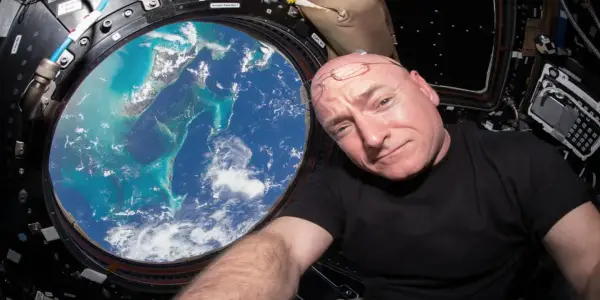
Italian Producer Plans Historic Film to Shoot in...
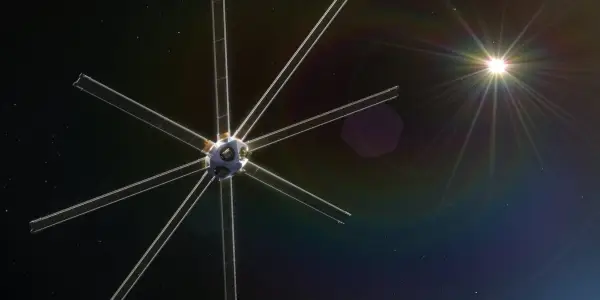
New Mexico Startup Unveils Ambitious Plan to...

Affordable Fitness Tracking: The Amazfit Active 2...
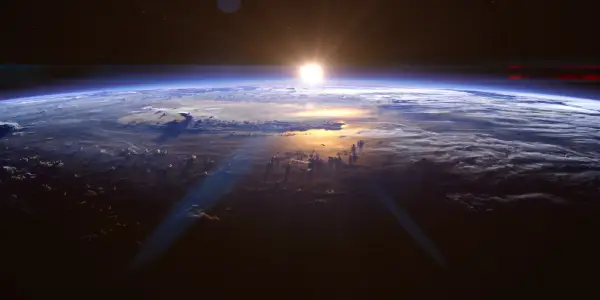
Portal Systems Aims to Revolutionize Spacecraft...
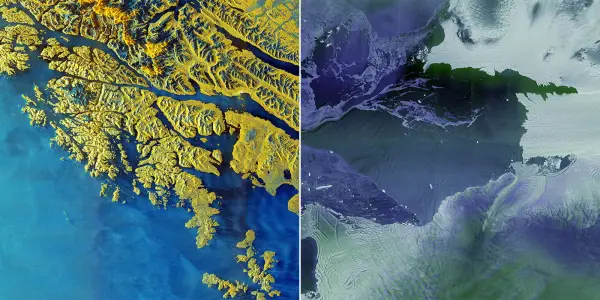
European Space Agency Unveils Stunning Radar...
Discovery of Betelgeuse's Companion Star Unveiled
SabreSat: An Innovative Air-Breathing Satellite...
Astrophysicists Unveil Dark Universe Through...
Young Canadian Astronomer Identifies Two...
NASA Research Uncovers Climate's Impact on...
Astronomers Discover Ancient White Dwarf Actively...

Samsung Unveils Unprecedented Black Friday Deal...

Exploring Alternatives to the Meta Quest 3 Elite...
Breakthrough in Milky Way Simulation Using AI...
China's Tianwen-3 Mission: A Potential Rival in...
This Week in Science: Insights on Comet 3I/ATLAS,...

Czech Startup Zaitra Pioneers AI-Driven Satellite...
SpaceX Achieves 150th Falcon 9 Launch with...
James Webb Telescope Reveals Potential Atmosphere...
NASA and European Partners Prepare for...
Assessing the Financial Impact of NASA's Apollo...
Exploring the 'Ultraview Effect': Human...

Top Black Friday Smartwatch Deals Worth...