Rising Tensions Between China and Japan Over Taiwan Escalate to UN Level
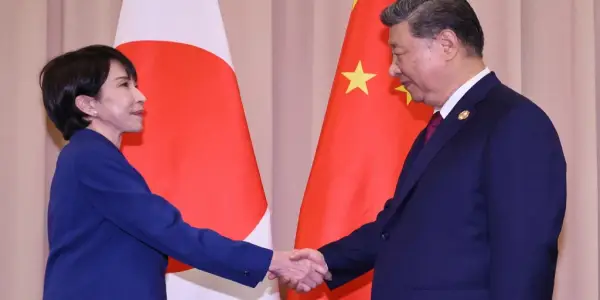
Tensions between China and Japan over Taiwan escalate as Japan's new Foreign Minister signals a military response, prompting strong rebukes from Beijing at t...
In-depth analysis
Background context
The ongoing tensions between China and Japan have deep historical roots, particularly related to Taiwan. Recent comments from Japan's administration, particularly by Foreign Minister Yoko Kamikawa, have shifted the narrative towards a more assertive stance regarding potential military responses to Chinese aggression, provoking a strong backlash from Beijing.
Key political implications
This escalation signifies a potential shift in Japan's defense posture, which could lead to increased military collaboration with allies, especially the United States, in response to perceived threats from China.
Who gains / who loses
China may strengthen its nationalist sentiments and consolidate domestic support by portraying Japan as an aggressor. Conversely, Japan risks economic repercussions, particularly in tourism, while its military posture could provoke further Chinese hostility and regional instability.
Possible future scenarios
Continued diplomatic friction may lead to increased military posturing from both nations, heightening the risk of miscalculation. Alternatively, sustained dialogue could emerge, aimed at de-escalating tensions and addressing mutual concerns over Taiwan.
Did you know?
Why you should know this
The escalating tensions between China and Japan over Taiwan directly affect global stability, impacting trade, travel, and regional security. As both nations wield significant economic power, their conflicts can ripple through markets, affecting everything from consumer prices to international supply chains. Understanding these dynamics helps individuals grasp how geopolitical issues can influence daily life, from the cost of goods to travel plans.
Behind the political curtain
While many are familiar with the historical conflicts between China and Japan, fewer know that Japan has a post-World War II pacifist constitution that limits its military actions. This foundational law has made Prime Minister Kishida's recent statements particularly controversial, as they signal a potential shift in Japan's long-standing defense posture.
Ordinary person in an extraordinary situation
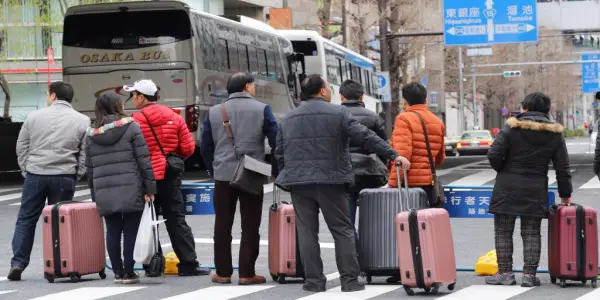
Meet Kenta Yamamoto, a travel agent in Tokyo whose business relies heavily on Chinese tourists. With the recent travel advisory from China, Kenta is now facing an uncertain future. He recalls how vibrant his agency was before the pandemic, with bustling tours to historic sites and cultural experiences. Now, he’s grappling with cancellations and refunds, worried about the financial strain on his family. Kenta understands the political complexities but feels the human impact of these diplomatic tensions acutely. As he navigates this crisis, he hopes for a resolution that prioritizes peaceful dialogue over conflict, reflecting the sentiments of many ordinary citizens caught in the crossfire of international disputes.
Zohran Mamdani's Vision for Global Municipal...

The Evolving Landscape of Copyright Enforcement...
The Role of Palestinian Statehood in Advancing...

European Automakers Face New Chip Shortage as...
Saudi Crown Prince's Invitation to the White...

Spain's Attorney General Convicted in...

Canada Decides Against Public Disclosure of Nazi...

Jetpack Navigation 3 Achieves Stability for...

Zohran Mamdani Secures Victory in New York City...
South Korea Initiates First Military Talks with...

NFL Players Union Faces Grievance Over Annual...

Bhutan's Complex Relationship with India: A...
Japan Protests China's Travel Advisory Amid...

Pope Leo Embarks on First International Trip to...
Colombia's ELN Rebels Intensify Military Drills...

Nydia Velázquez Steps Down, Sparking Calls for...

Challenges Faced by Costumes in 'Mighty Morphin...
Javier Milei's Victory Signals a Shift in...

Oracle's Stance on Israel Sparks Controversy...
Cuba Rejects U.S. Security Threat Claims Amid...

Israel Seeks Diplomatic Renewal with Bolivia...
Syria's Foreign Minister Visits China to...
Intensified Clashes Erupt Between Afghan and...
South Korea Rebuilds Trust and Reassesses Foreign...

Ireland Moves Forward with Bill Targeting Israeli...
Trump Considers Tomahawk Missile Support for...
Bangladesh Seeks India's Assistance in...

E.U. Ambassador to the U.S. Affirms Positive...

NASA Unveils Stunning Images of Interstellar...
South Africa's G20 Presidency: A Mixed Legacy of...
Cuban Authorities Engage in Deadly Clash with...

Mark Carney Discusses Political Transition During...

EA Raises Concerns Over Sale to Saudi Arabia's...
Is the U.S. Reassessing Its Stance on Israel...
Trump Reverses Stance on Greenland After UK...
Canada's Carney to Meet Xi in China, Signaling a...

Exiled Russian Orthodox Leader Responds to Spying...

Nevada's Governor's Office Allegedly Intervened...

Lessons from Ulysses S. Grant on Civil-Military...
The 1969 Sino-Soviet Border Conflict: A Near Miss...