Alberta Justice Minister Tasked with New MAID Legislation for Enhanced Oversight
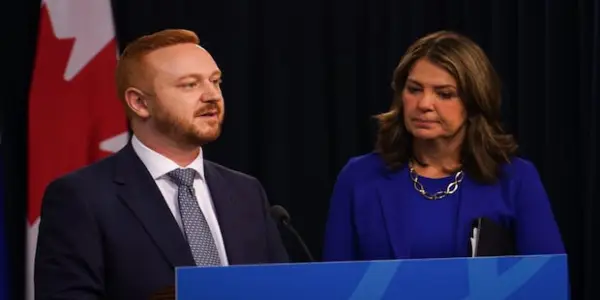
Alberta's justice minister is under directive to develop new legislation aimed at increasing government oversight of Medical Assistance in Dying (MAID), particularly concerning the eligibility criteria for mental illness.
In-depth analysis
Background context
Alberta's Premier Danielle Smith has directed Justice Minister Mickey Amery to draft legislation enhancing oversight of Medical Assistance in Dying (MAID). This initiative arises amid ongoing debates about eligibility criteria, particularly regarding mental health conditions, as the federal government considers allowing mental illness as a qualifying factor, prompting concerns and calls for clarity.
Key political implications
This directive signals a shift in Alberta's approach to MAID, potentially influencing national discussions on mental health eligibility and reflecting the provincial government's stance on healthcare and individual rights.
Who gains / who loses
Patients with mental health conditions may face increased barriers to accessing MAID, as the legislation aims to restrict eligibility. Conversely, proponents of stricter regulations may feel reassured, believing that these changes prioritize patient safety and ethical considerations in end-of-life care.
Possible future scenarios
If the legislation passes, Alberta could set a precedent for other provinces, shaping national policies on MAID. Alternatively, continued public opposition may lead to revisions or delays, complicating the legislative landscape surrounding assisted dying.
Did you know?
Why you should know this
Alberta's potential changes to Medical Assistance in Dying (MAID) legislation could redefine how individuals experiencing mental health issues approach end-of-life choices. For families and friends, the implications are profound—decisions about assisted dying may soon involve more stringent criteria, raising questions about the balance between compassionate care and safeguarding vulnerable populations. Understanding these developments helps communities engage in critical discussions about mental health and autonomy.
Behind the political curtain
Despite a growing trend in medically assisted deaths, Alberta's current legislation explicitly states that mental illness cannot solely qualify someone for MAID. This historical context serves as a reminder of the complexities involved in integrating mental health into end-of-life care, especially as public opinions remain divided on this sensitive issue.
Ordinary person in an extraordinary situation
Meet Jenna, a 34-year-old teacher in Calgary who has battled severe depression for years. As discussions around MAID evolve, she feels a mix of fear and hope. Jenna worries that legislative changes could limit options for those like her who might consider MAID in the future. 'I want to know that if I ever reach a point where I can’t cope, I have choices,' she shares. For Jenna, the debate isn’t just about policy; it's about her right to autonomy in her darkest moments. She advocates for more mental health resources, believing that with the right support, many struggling with similar issues can find a path to recovery rather than an end. Her story underscores the urgency to balance compassionate care with protective measures, reminding us that behind every statistic is a human life full of potential.
Expert Commentary

Zohran Mamdani's Vision for Global Municipal...

The Evolving Landscape of Copyright Enforcement...

The Role of Palestinian Statehood in Advancing...

European Automakers Face New Chip Shortage as...

Saudi Crown Prince's Invitation to the White...

Spain's Attorney General Convicted in...

Nydia Velázquez Steps Down, Sparking Calls for...

Exiled Russian Orthodox Leader Responds to Spying...

Zohran Mamdani Secures Victory in New York City...

E.U. Ambassador to the U.S. Affirms Positive...

Trump to Engage with Syrian Leader Following...

Bhutan's Complex Relationship with India: A...

Japan Protests China's Travel Advisory Amid...

Pope Leo Embarks on First International Trip to...

Colombia's ELN Rebels Intensify Military Drills...

The Rise of Technocracy in Modern Governance

Challenges Faced by Costumes in 'Mighty Morphin...

Javier Milei's Victory Signals a Shift in...

Oracle's Stance on Israel Sparks Controversy...

Cuba Rejects U.S. Security Threat Claims Amid...

Israel Seeks Diplomatic Renewal with Bolivia...

Jetpack Navigation 3 Achieves Stability for...

Intensified Clashes Erupt Between Afghan and...

South Korea Rebuilds Trust and Reassesses Foreign...

Ireland Moves Forward with Bill Targeting Israeli...

Trump Considers Tomahawk Missile Support for...

Bangladesh Seeks India's Assistance in...

South Korea Initiates First Military Talks with...

NASA Unveils Stunning Images of Interstellar...

South Africa's G20 Presidency: A Mixed Legacy of...

Cuban Authorities Engage in Deadly Clash with...

Mark Carney Discusses Political Transition During...

EA Raises Concerns Over Sale to Saudi Arabia's...

Is the U.S. Reassessing Its Stance on Israel...

Trump Reverses Stance on Greenland After UK...

Canada's Carney to Meet Xi in China, Signaling a...
Syria's Foreign Minister Visits China to...

Nevada's Governor's Office Allegedly Intervened...

Lessons from Ulysses S. Grant on Civil-Military...

The 1969 Sino-Soviet Border Conflict: A Near Miss...