Syria's Ahmad al-Sharaa: Balancing International Recognition with Domestic Challenges
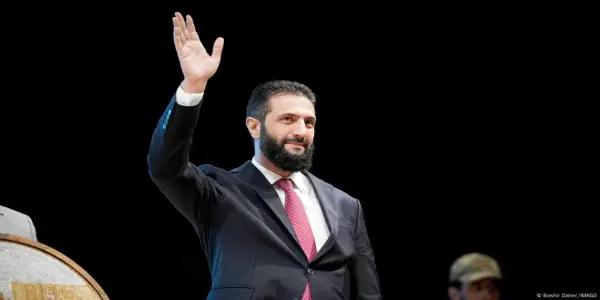
While Syrian President Ahmad al-Sharaa received accolades for his address at the UN General Assembly, ongoing domestic issues and an upcoming controversial election overshadow the optimism felt among the Syrian populace.
In-depth analysis
Background context
Ahmad al-Sharaa's recent address at the UN General Assembly signifies a pivotal shift for Syria, marking the first appearance of a Syrian head of state at this forum in decades. Following the overthrow of Bashar al-Assad, al-Sharaa's leadership comes amid a fragile peace and a desire to reintegrate Syria into the international community.
Key political implications
Al-Sharaa's speech indicates a potential thaw in Syria's relations with Western nations, suggesting a shift in diplomatic dynamics that could influence regional stability and international engagement.
Who gains / who loses
The Syrian government may gain international legitimacy and support, especially if sanctions are lifted. However, opposition groups and minority communities could lose further representation and influence in a system perceived as favoring al-Sharaa's administration.
Possible future scenarios
If al-Sharaa successfully addresses domestic challenges, Syria could see improved international relations and economic recovery. Conversely, failure to enact meaningful reforms may lead to renewed instability and disillusionment among the populace.
Did you know?
Why you should know this
Syria's re-emergence at the UN is more than a diplomatic milestone; it directly impacts international relations and humanitarian aid. For everyday Syrians, this could mean the difference between continued isolation and access to critical resources. As al-Sharaa seeks international support, the decisions made now may shape the future of governance, security, and economic relief for millions still affected by the conflict.
Behind the political curtain
Surprisingly, al-Sharaa's speech was the first by a Syrian head of state at the UNGA in nearly 50 years, a period marked by the Assad family's dominance. This absence symbolizes Syria's previous diplomatic isolation and underscores the significance of al-Sharaa's recent ascent in the political landscape.
Ordinary person in an extraordinary situation
Consider Layla, a shopkeeper in Aleppo who has watched her city transform through years of conflict. With each passing year, her dreams of stability seemed further away. Now, as al-Sharaa speaks of restoring Syria’s place in the world, Layla feels a cautious hope. She remembers the days when her shop thrived, and family gatherings were filled with laughter and joy. Yet, she worries that political promises may not translate into meaningful change. For Layla, the possibility of sanctions relief means more than economic recovery; it represents a chance to rebuild her life and community. As she listens for news of reforms, she holds onto the hope that this time, the words of leaders will lead to real progress, allowing her to once again serve her customers with pride and restore a sense of normalcy in her life.
Expert Commentary
Bangladesh's Upcoming Election: Key Political...
Exiled Russian Orthodox Leader Responds to Spying...
Bangladesh Seeks India's Assistance in...
Khamenei Assassination: A Pivotal Shift in...
Limited Expectations as Trump and Xi Approach...
Javier Milei's Victory Signals a Shift in...

Reddit Enhances App Performance with R8...
Pope Leo Embarks on First International Trip to...
Trump Addresses Nuclear Testing, Government...
Saudi Crown Prince's Invitation to the White...
European Automakers Face New Chip Shortage as...
Zohran Mamdani's Vision for Global Municipal...
South Africa's G20 Presidency: A Mixed Legacy of...
Trump and Finnish President Stubb Forge Strong...

Exploring Intimacy and Isolation in Claire-Louise...
Zohran Mamdani Secures Victory in New York City...
Is the U.S. Reassessing Its Stance on Israel...
Trump's Influence Crucial for Sustaining Gaza...
German Chancellor Merz to Visit Israel for Key...
Bangladesh's International Crimes Tribunal...

Trump Announces Closure of Venezuelan Airspace...

Explosion at Tennessee Munitions Facility Leaves...
Jared Isaacman Renominated as NASA Administrator...
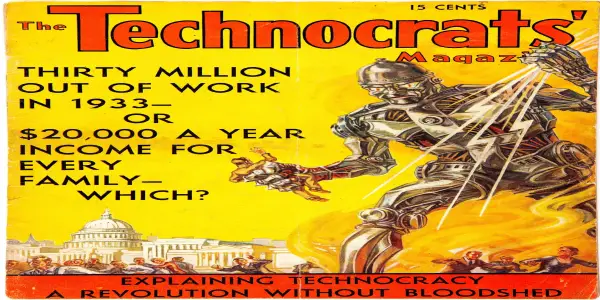
The Rise of Technocracy in Modern Governance
New England Senators Play Crucial Role in...
Nydia Velázquez Steps Down, Sparking Calls for...

Baden Bower Reduces Pitch-to-Publish Timeline by...
South Korea Rebuilds Trust and Reassesses Foreign...

EA Raises Concerns Over Sale to Saudi Arabia's...

Colombia's ELN Rebels Intensify Military Drills...
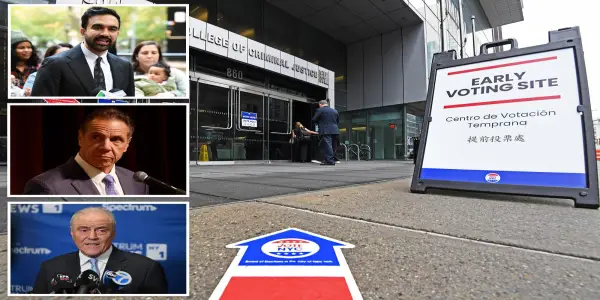
New Yorkers Kick Off Early Voting for Mayoral...
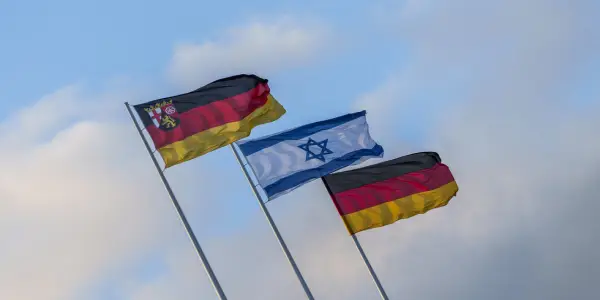
Germany Resumes Arms Exports to Israel Amid...
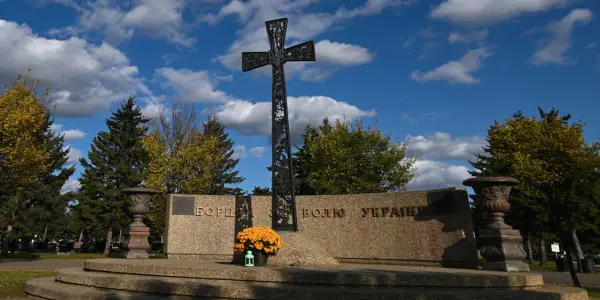
Canada Decides Against Public Disclosure of Nazi...
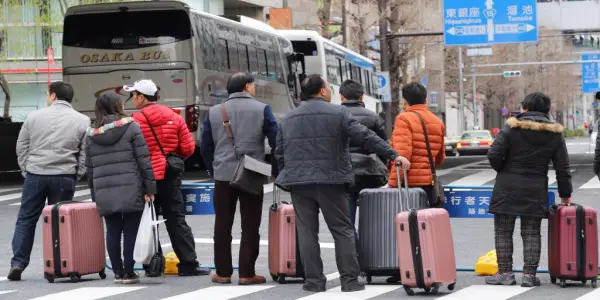
Japan Protests China's Travel Advisory Amid...
Armenian Deputy Foreign Minister Visits Israel...

Regulatory Frameworks Needed for AI in Mental...
Japan Reacts Strongly to China's Travel Advisory...
Political Reactions to BBC Leadership Changes...
Trump's Bold Foreign Policy Yields Progress in...
Nevada's Governor's Office Allegedly Intervened...