China Plans Replacement Spacecraft Following Damage to Shenzhou Mission
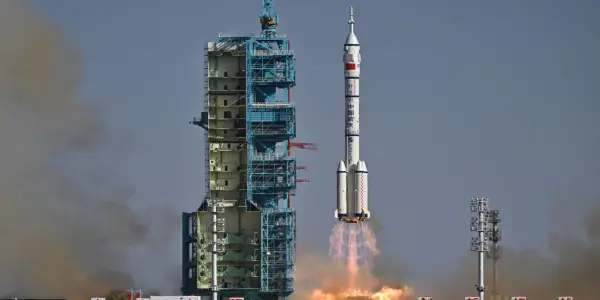
An uncrewed spacecraft is set to launch to replace a Shenzhou vehicle damaged by space debris while docked at the Tiangong Space Station, ensuring the safety of astronauts currently aboard.
In-depth analysis
New discoveries
China's upcoming mission highlights the ongoing challenges of space exploration, particularly regarding the impacts of space debris on spacecraft integrity. This incident has prompted advancements in safety protocols and technology, aiming to enhance the resilience of future missions and ensure the longevity of the Tiangong Space Station as a hub for international collaboration.
Mission updates
Preparations for the launch of the replacement spacecraft are progressing rapidly, with rigorous testing of both the rocket and spacecraft components. The mission is poised to deliver crucial supplies and a safe return vehicle for the astronauts currently aboard the Tiangong Space Station.
Who is affected
The three astronauts aboard the Tiangong Space Station—Commander Zhang Lu, Zhang Hongzhang, and Wu Fei—are directly impacted by the damaged Shenzhou module, which jeopardizes their safety and the station's operational status. Their extended time in space without a reliable return vehicle raises urgent concerns for their well-being.
Next steps
The launch is anticipated within the next eight days, pending favorable orbital conditions for docking. Following the mission, a thorough assessment will be conducted to evaluate the spacecraft's performance and ensure the safety of future missions to the Tiangong Space Station.
Did you know?
Why we should care
The imminent launch of China's uncrewed spacecraft highlights the critical role of space safety and technology in human exploration. For everyday people, this mission underscores the risks astronauts face and the importance of reliable infrastructure in space. As nations advance their space programs, the innovations developed can lead to improvements in technology that impact daily life on Earth, from telecommunications to environmental monitoring.
The universe's unsolved mystery
The collision with space debris raises profound questions about humanity's presence in the cosmos. As the amount of debris increases, the challenge of safely navigating space becomes more urgent. This incident invites contemplation about our responsibility to safeguard not just our astronauts, but the broader environment of space, which could impact future generations of exploration.
The person who looks at the stars
Meet Lian Chen, a 12-year-old aspiring astronaut from Beijing who dreams of exploring the cosmos. Lian spends her evenings stargazing with her grandfather, who shares stories of the moon landing and the wonders of the universe. When she heard about the damaged Shenzhou spacecraft, concern washed over her. Would her heroes return safely? This incident ignited her passion for space safety, inspiring her to study engineering. Lian envisions a future where she contributes to safer space travel, ensuring that astronauts can explore beyond Earth without fear. For her, each spacecraft launch is not just a mission; it's a step toward her own dreams among the stars.
SpaceX Achieves 150th Falcon 9 Launch with...
China's Tianwen-3 Mission: A Potential Rival in...
NASA Faces Scrutiny Over Boeing Starliner...
Potential Evidence of Dark Matter Emerges from...
Potential Alien Disclosure May Trigger Bitcoin...
Breakthrough in Milky Way Simulation Using AI...
Hubble Telescope Unveils Enigmatic Galaxy NGC 2775
Senegal Joins Artemis Accords, Expanding...
Interstellar Comet 3I/ATLAS Reveals Water...
Boeing's Upcoming Starliner Mission Set for April...
Starlink Satellites Make Headlines as They Fall...
OnePlus 15 vs. Samsung Galaxy S25 Plus: A Clash...
The Dwarf III Smart Telescope: A Compact Marvel...

Exploring the James Webb Space Telescope: A $13...

MIT Researchers Uncover Ancient Traces of...

Unistellar eQuinox 2 Smart Telescope Sees...
NASA's Ambitious Timeline for Human Exploration...

The Pleiades Star Cluster Reveals Its Extensive...

Reviving Adult Friendships: Strategies to Combat...
Australia's SpIRIT Nanosatellite Captures First...
Charlotte: The Lunar 3D Printer Poised to...

Celestial Wonders of Autumn 2025: Eight Key Night...
Japanese Astronaut Observes Typhoon Activity from...
Samsung Unintentionally Reveals Galaxy S26 Series...
Impulse Space Enters Lunar Exploration: New...

Astronomers Identify Ancient Water in...

Astrophysicists Unveil Dark Universe Through...
Top Black Friday Smartwatch Deals Worth...
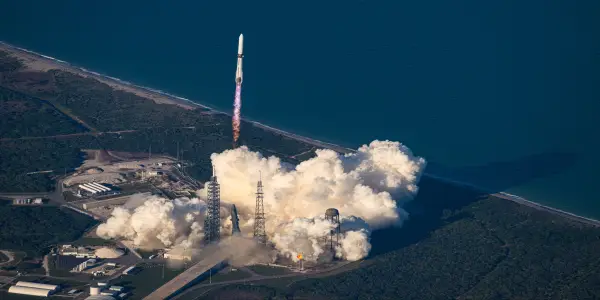
NASA and Blue Origin Successfully Launch Dual...

Mapping the Invisible: Astronomers Uncover Dark...

Nearby Super-Earth Identified as Key Target in...

Urwerk Unveils Limited-Edition 100V 'LightSpeed'...
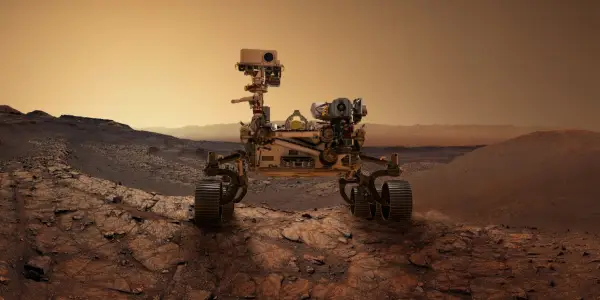
Unraveling the Mysteries of Mars: Recent...

Meteorite Fragment May Have Impacted Houston Home
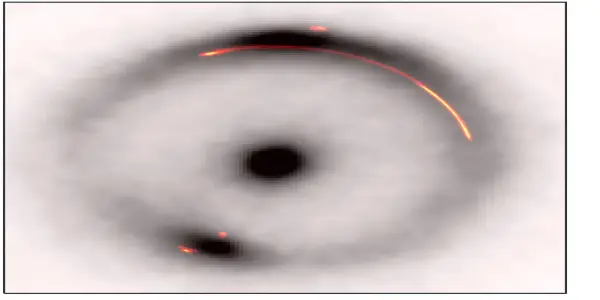
Astronomers Capture Evidence of Dark Matter's...

Jeff Bezos's AI Hardware Venture Takes Aim at...

Satellite Observations Reveal Unconventional...

Astronomers Capture First Image of Two Orbiting...
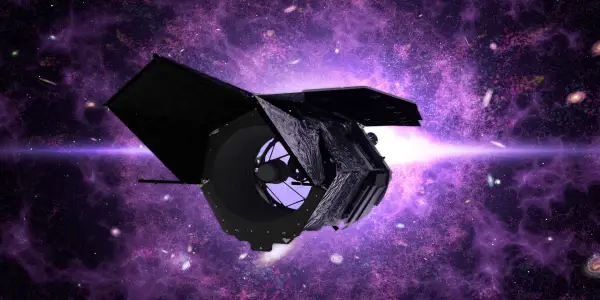
NASA's Upcoming Roman Space Telescope Set to...
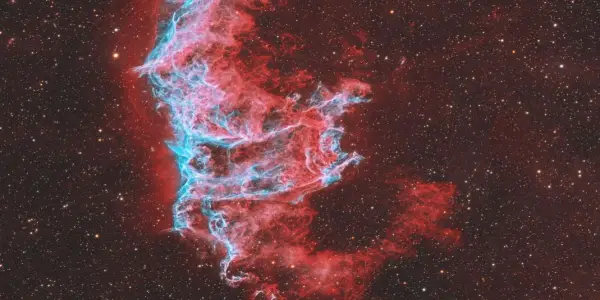
Astrophotographer Captures Stunning Image of...