Engineered Plastics with Adjustable Lifespans Developed by Chemists
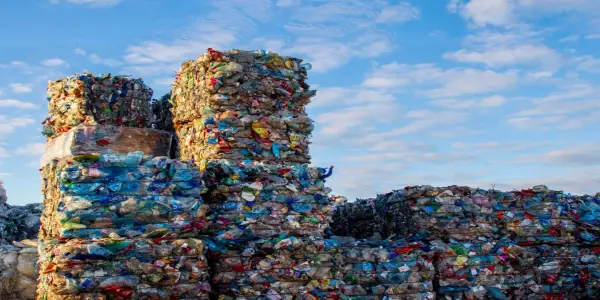
Chemists have created a method to design plastics that can decompose in days, months, or years, inspired by natural polymers like DNA, potentially reducing environmental pollution.
In-depth analysis
Natural phenomena
The rise of synthetic materials has led to an environmental crisis, with plastic pollution affecting ecosystems worldwide. Researchers are exploring innovative solutions, including the development of engineered plastics that mimic natural polymers, potentially transforming waste management practices and reducing ecological footprints.
Impact on communities
Communities are increasingly burdened by plastic waste, which contaminates local environments and threatens public health. The introduction of biodegradable plastics could alleviate some of these concerns, promoting cleaner neighborhoods and reducing landfill reliance.
Scientific updates
Recent advancements at Rutgers University focus on creating engineered plastics that degrade similarly to natural materials. By integrating specific chemical structures, these plastics aim to break down more efficiently, addressing long-standing concerns regarding traditional plastic waste.
Future outlook
The potential for customized biodegradable plastics offers a glimpse into a more sustainable future. However, ongoing research is essential to ensure these materials are safe for diverse environments and suitable for various applications.
Did you know?
Why this matters for our planet
The rise of engineered plastics that decompose like natural materials has profound implications for our environment. With millions of tonnes of plastic waste piling up each year, these innovations can reduce landfill overflow and ocean pollution. Imagine packaging that breaks down in weeks instead of centuries, making everyday items like food containers less harmful to wildlife and ecosystems. This shift could transform how we manage waste in our communities.
Earth's undiscovered wonder
Did you know that certain types of naturally occurring plastics, like those found in the seeds of the tropical plant Huernia, can degrade in just a few weeks? Researchers are using insights from these natural polymers to create synthetic alternatives that could revolutionize how we think about plastic waste.
The voice of Earth
Marcus, 34, from Chicago, recalls a childhood spent playing along the shores of Lake Michigan, where he first learned to appreciate nature. Recently, he discovered the staggering amount of plastic waste threatening these waters. Determined to make a difference, he volunteers with a local cleanup group, but the sight of litter still haunts him. The idea of engineered plastics that break down more easily resonates deeply with him; it sparks hope that future generations might enjoy clean beaches and vibrant ecosystems, just as he did. For Marcus, these innovations are not just science—they're a lifeline for the memories he cherishes.

Exocomets Detected Around Distant Stars

Apple Offers Support Following Fire in Hong Kong

Blue Origin's New Glenn Rocket Set to Launch...
The Earth’s Value: An Exploration of Its...

Exploring Sustainable Methods for Rare Earth...

First Mosquito Sightings in Iceland Linked to...

Exploring Key Questions Raised by ‘Avatar: Fire...
Ancient Air Trapped in 6-Million-Year-Old...

Indigenous Activists Challenge COP30's Rainforest...

Insights into Lithospheric Dynamics from Turkana...

China's Meng Xiang Ship Aims for Record-Setting...

Exploring Iterative Creativity: Pelicans on...

New Insights from the Butterfly Nebula May...
Breakthrough in Microscopy Sheds Light on Ocean's...
Innovative Use of Underwater Speakers Aims to...
New Technique Unveils Natural Clock in Dinosaur...

Natural History Museums: Essential Partners in...

Aging Stars Pose Threat to Nearby Planets, New...
The Late Ordovician Mass Extinction: A Pivotal...
Jupiter's Rapid Spin Influences Water...

Portable Libraries: A Lifeline When Internet...

UK Churches Embrace Heat Pumps for Sustainable...

Newly Discovered Snake Species Named After Steve...

Exploring the Depths of Nature: Boyd Varty's...

Google Launches WeatherNext 2: Enhanced AI...

Putin Initiates Strategic Plan for Russia's Rare...
Innovative Architectural Designs Inspired by...
Moss Survives 9 Months in Space and Thrives After...

WhatsApp Security Vulnerability Exposes 3.5...
Perseverance Rover Discovers Unusual Rock Near...
NASA's Mars Sample Return Mission Faces...
The Allure of Venezuela's Oil Reserves: Analyzing...

HEO Robotics Expands Satellite Imaging...

November's Full Supermoon: A Celestial Event to...

Understanding the Formation of Tectonic Plates

The Challenges of Sending a Supervillain into the...
Ancient Lakes on Mars: New Research Unveils Ice...

Artemis II Sparks Renewed Interest in Lunar...