Cambridge Scientists Develop New Artificial Photosynthesis Method

Researchers at the University of Cambridge have created a novel artificial photosynthesis process that may address challenges associated with fossil fuel reliance.
In-depth analysis
Natural phenomena
Artificial photosynthesis, inspired by the natural mechanisms of plants, represents a significant advancement in energy production. By harnessing sunlight, water, and carbon dioxide, this innovative system mimics nature's efficiency, potentially transforming how energy is generated and utilized in various sectors, while promoting environmental sustainability.
Impact on communities
The introduction of artificial photosynthesis technology could empower communities by providing cleaner energy alternatives. This shift may enhance local economies and reduce reliance on fossil fuels, fostering healthier environments.
Scientific updates
Researchers at the University of Cambridge have developed a groundbreaking artificial photosynthesis system that operates with minimal oversight. This technology adapts to new advancements and integrates with current energy infrastructures, marking a significant step forward in renewable energy solutions.
Future outlook
The future of energy production looks promising with the adoption of artificial photosynthesis. As climate challenges escalate, this technology may play a crucial role in achieving sustainable energy goals and mitigating environmental impacts.
Did you know?
Why this matters for our planet
The shift from fossil fuels to artificial photosynthesis could dramatically reduce greenhouse gas emissions, directly impacting air quality and public health. With cleaner energy sources, communities can experience fewer respiratory diseases and a more stable climate. This technology not only offers a pathway to sustainable energy but also ensures a healthier environment for future generations.
Earth's undiscovered wonder
Did you know that certain species of algae, which could play a key role in artificial photosynthesis, can double their biomass in just 24 hours? This rapid growth potential makes them ideal candidates for bioenergy production, providing a sustainable solution to the energy crisis.
The voice of Earth
Marcus, 34, from Chicago, recalls watching his daughter, Lily, chase butterflies in their small backyard garden. He planted it as a refuge, a reminder of nature's beauty amidst urban sprawl. After learning about artificial photosynthesis, he dreams of a future where energy is harvested like sunlight, allowing families to thrive without harming the planet. For Marcus, this innovation isn't just science; it's a chance to safeguard Lily's future and preserve the earth she plays on.

WhatsApp Security Vulnerability Exposes 3.5...

Google Enhances Weather Forecasting with...

The Impact of the Three Gorges Dam on Earth's...

China's Meng Xiang Ship Aims for Record-Setting...

Intaaya Retreat in Indonesia Features Innovative...

Coyote vs. Acme Blends Looney Tunes with...
New Study Reveals Microbes Colonizing Freshly...

Innovative Precast Rammed Earth Tennis Court...
New Insights from the Butterfly Nebula May...
Understanding the Formation of Tectonic Plates
Time on Mars Outpaces Earth, Unveiling Challenges...
New Research Suggests Water Could Form During...

Post-Artemis 2: What Insights Will Scientists...

Embracing the Light: A Reflection on Our...

Geomagnetic Storm Forces Delay of Blue Origin's...

Google Launches WeatherNext 2: Enhanced AI...
Innovative Technique Utilizes Dragonberry Weed to...

New Insights into 'Project Hail Mary' Reveal...
New Glenn Rocket Completes Successful Test...
James Webb Space Telescope Reveals First 3D...

Indigenous Activists Challenge COP30's Rainforest...

The Challenges of Sending a Supervillain into the...
Young Star V1298 Tau Sheds Light on Planet...
Reassessing Economic Growth: Valuing Natural...

VTN Architects Completes Nuoc Ui School in...

SpaceX to Launch Over 100 Satellites Today on...

Innovative Architectural Designs Inspired by...
NASA's Mars Sample Return Mission Faces...

Johnny Keefer's Ascent Raises Questions About...
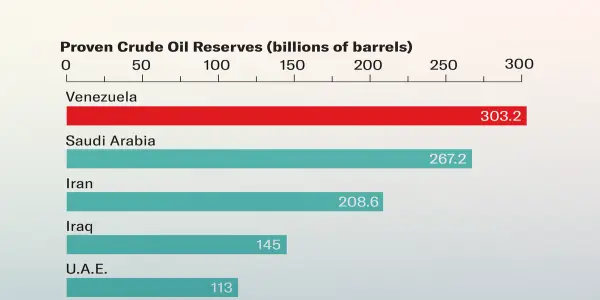
The Allure of Venezuela's Oil Reserves: Analyzing...

UK Churches Embrace Heat Pumps for Sustainable...
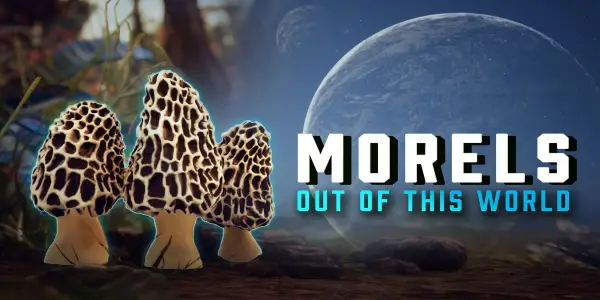
Abrams Studios Announces New Sci-Fi Exploration...

Top Organic Mattresses of 2025: Birch, Avocado,...

The Intersection of AI Development and Natural...

Artemis II Sparks Renewed Interest in Lunar...

Exploring the Depths of Nature: Boyd Varty's...

Exploring Sustainable Methods for Rare Earth...

Tennessee's Nature-Based Solutions for Health and...

Notable Aquatic Highlights from the 2025 Nature's...