Citizen Scientists Discover Unique Extragalactic Radio Signal Patterns
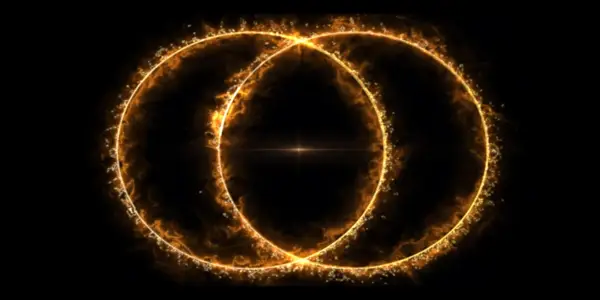
Citizen scientists uncover unique radio signal patterns from distant galaxies, revealing new insights into odd radio circles and the evolution of cosmic stru...
In-depth analysis
New discoveries
Researchers have unveiled two intersecting rings of radio signals from distant galaxies, forming a unique Venn diagram-like structure. This discovery enhances the understanding of odd radio circles (ORCs), vast magnetized formations detectable only through radio wavelengths, marking them as the most distant and powerful examples identified to date.
Mission updates
The findings were published on October 2 in the Monthly Notices of the Royal Astronomical Society, highlighting the advancements in radio astronomy technology that enabled the detection of these extraordinary cosmic structures.
Who is affected
This discovery impacts both the scientific community and citizen scientists, as it emphasizes the collaborative nature of modern astronomy. The involvement of citizen scientists in detecting these signals showcases the importance of public engagement in advancing scientific knowledge.
Next steps
Future research will focus on investigating the formation mechanisms of ORCs and their relationship with galactic superwinds, aiming to deepen the understanding of these structures and their role in the evolution of galaxies.
Did you know?
Why we should care
This discovery of intersecting rings of radio signals from distant galaxies deepens our knowledge of the universe and the forces shaping it. Understanding odd radio circles (ORCs) could illuminate the life cycles of galaxies and black holes, ultimately enhancing our grasp of cosmic evolution. For everyday life, it emphasizes the interconnectedness of all things, reminding us that even our planet exists within a vast, dynamic cosmos.
The universe's unsolved mystery
The formation of ORCs remains one of the universe's intriguing puzzles. While theories abound, the lack of definitive answers invites further exploration. This uncertainty is a reminder that in science, questions often lead to more profound discoveries, and every answer opens new avenues of inquiry, fueling humanity's relentless quest to understand the cosmos.
The person who looks at the stars
Meet Lena, a passionate amateur astronomer from a small town. Every clear night, she sets up her telescope in her backyard, gazing at the stars with wonder. The recent discovery of ORCs resonates with her deeply, as it highlights the role of citizen scientists like herself in unraveling cosmic mysteries. Each observation she makes feels more significant now; she understands that her contributions might be part of a larger narrative. Lena often reflects on how these distant galaxies, with their swirling rings of radio signals, mirror human connections—intertwined yet distinct. For her, astronomy is not just a hobby; it’s a profound way to engage with the universe and her place within it.
Expert Commentary
Impulse Space Enters Lunar Exploration: New...

Urwerk Unveils Limited-Edition 100V 'LightSpeed'...

Jonathan Davies Urges England to Create New...
Potential Evidence of Dark Matter Emerges from...

Satellite Observations Reveal Unconventional...
NASA's Ambitious Timeline for Human Exploration...
Apple May Consider Transitioning to Starlink Amid...
NASA Unveils New Images of Interstellar Comet...

Netgear Orbi 370 Review: An Accessible Wi-Fi 7...
Interstellar Comet 3I/ATLAS Reveals Water...

Childcare Crisis: Families Struggle as...
Astronomers Capture First Image of Two Orbiting...
Starlink Satellites Make Headlines as They Fall...

FULU Foundation Introduces Repair Bounty System...
Astronauts aboard the ISS Capture Stunning Images...

International Space Station Crew Continues...

Boeing's Upcoming Starliner Mission Set for April...
AI Reveals Over 800 New Cosmic Anomalies from...
The Pleiades Star Cluster Reveals Its Extensive...
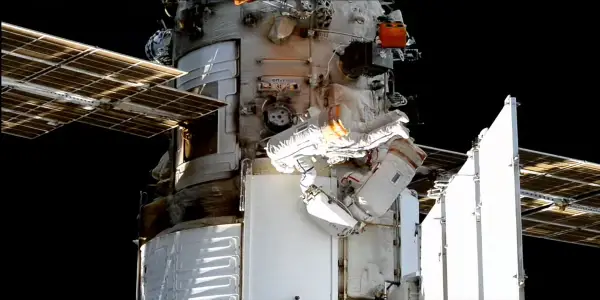
Russian Cosmonauts Conduct Extended Spacewalk to...

This Week In Space Podcast: Episode 187 Explores...

Exploring the James Webb Space Telescope: A $13...

European Space Agency Unveils Stunning Radar...
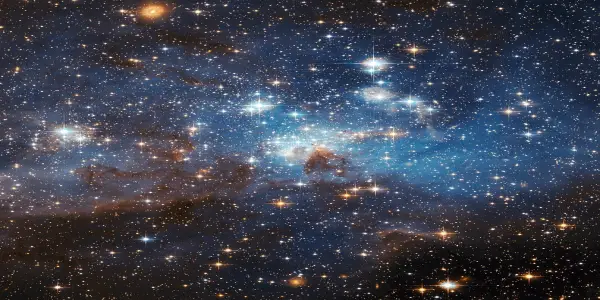
Mapping the Invisible: Astronomers Uncover Dark...

Affordable Fitness Tracking: The Amazfit Active 2...
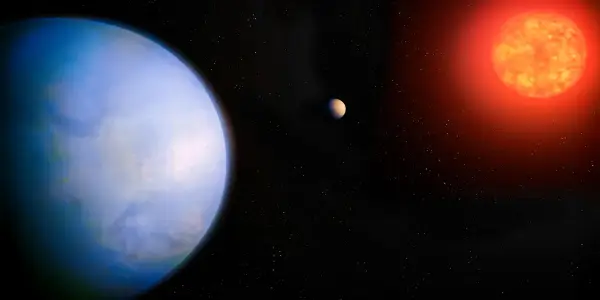
Nearby Super-Earth Identified as Key Target in...

Japanese Astronaut Observes Typhoon Activity from...
Italian Producer Plans Historic Film to Shoot in...

Blue Origin Advances New Glenn Rocket Testing...
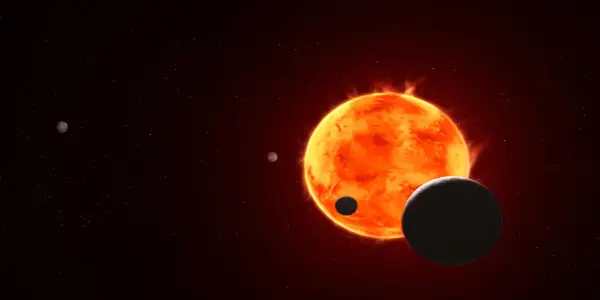
James Webb Telescope Reveals Potential Atmosphere...
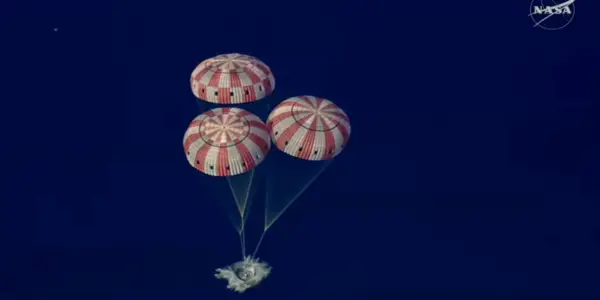
Artemis 2 Astronauts Safely Return After Historic...
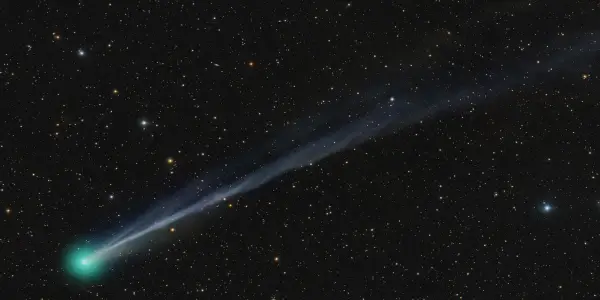
Astrophotographers Showcase Stunning New Images...

The Slitheen Return in 'Doctor Who' Comic Series...
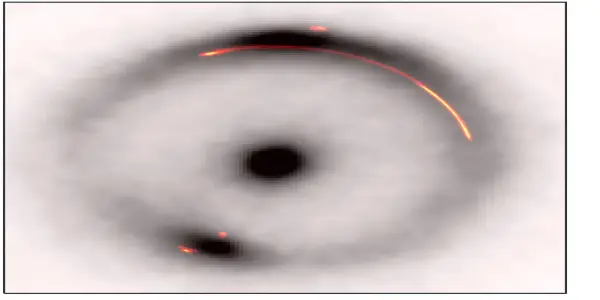
Astronomers Capture Evidence of Dark Matter's...
SabreSat: An Innovative Air-Breathing Satellite...

Exploring Alternatives to the Meta Quest 3 Elite...
Young Canadian Astronomer Identifies Two...
Highlights of 2025 in Space Exploration: From...

Czech Startup Zaitra Pioneers AI-Driven Satellite...
European Space Agency Enhances Collaboration with...