Engineering the Lunar Excursion Module's Landing Legs
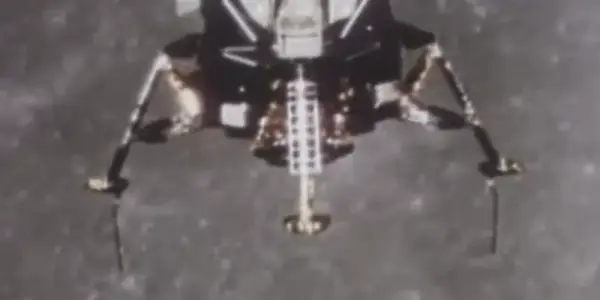
The design of the Lunar Excursion Module (LEM) presented unique challenges, particularly regarding its landing legs, which were crucial for the success of the Apollo missions.
In-depth analysis
New discoveries
Recent analyses of the Lunar Excursion Module (LEM) reveal groundbreaking insights into its engineering, particularly the innovative four-legged design of its landing legs. This configuration not only allowed for effective weight distribution but also introduced a unique shock absorption system that significantly enhanced the safety of lunar landings, demonstrating the advanced engineering capabilities of the era.
Mission updates
The Apollo missions, utilizing the LEM, successfully achieved multiple lunar landings, showcasing the effectiveness of its design. Ongoing assessments of these missions continue to inform modern aerospace engineering practices.
Who is affected
The advancements made through the LEM's engineering have had a lasting impact on aerospace engineers, researchers, and students. These innovations serve as foundational knowledge for current and future space exploration projects, influencing a new generation of scientists and engineers.
Next steps
Future research will focus on leveraging the lessons learned from the LEM's design to enhance current spacecraft technologies. Continued exploration of lunar and planetary surfaces aims to build on these foundational engineering principles.
Did you know?
Why we should care
The engineering feats behind the Lunar Excursion Module (LEM) resonate far beyond the realm of space travel. Innovations like the LEM's landing legs have influenced modern engineering practices in industries ranging from automotive to construction. The principles of weight distribution and impact absorption are now applied to everyday technologies, enhancing safety and performance in our lives. Understanding this history inspires future generations to tackle complex challenges with creativity and resilience.
The universe's unsolved mystery
Despite the monumental achievement of the LEM, questions linger about the Moon's surface and its formation. What secrets lie beneath the lunar regolith? The Moon's geological history could unlock insights into the early solar system and the origins of Earth itself. As humanity prepares for further exploration, these mysteries beckon scientists to unravel the unknown, bridging gaps in our understanding of cosmic evolution.
The person who looks at the stars
Meet Emma Torres, a high school science teacher in a small town. Each night, she sets up a telescope in her backyard, inviting students to gaze at the stars. For Emma, the Moon symbolizes possibility—a reminder of human ingenuity and determination. She often shares stories of the LEM’s engineering challenges, inspiring her students to think critically about science and innovation. Emma believes that understanding the past empowers young minds to dream big. Her passion for astronomy fosters curiosity, encouraging her students to ponder not only the universe's mysteries but their own potential to shape the future. Every star they see is a new question waiting to be explored.
James Webb Telescope Identifies Rapidly Growing...
Exploring the 'Ultraview Effect': Human...

FULU Foundation Introduces Repair Bounty System...

Jeff Bezos's AI Hardware Venture Takes Aim at...
Astronomers Capture First Image of Two Orbiting...
Boeing's Upcoming Starliner Mission Set for April...
Mapping the Invisible: Astronomers Uncover Dark...
NASA's Upcoming Roman Space Telescope Set to...
China's Shenzhou 22 Mission Launches Uncrewed...

MIT Researchers Uncover Ancient Traces of...
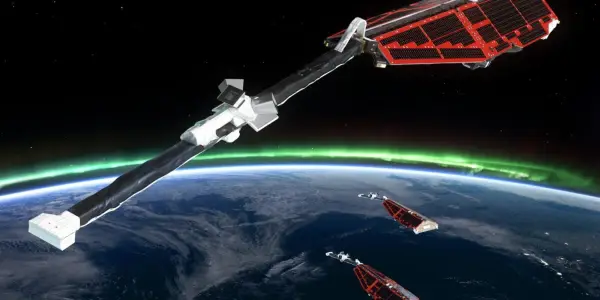
Expansion of Earth’s Magnetic Field Weak Spot...

Celestial Wonders of Autumn 2025: Eight Key Night...

OnePlus 15 vs. Samsung Galaxy S25 Plus: A Clash...
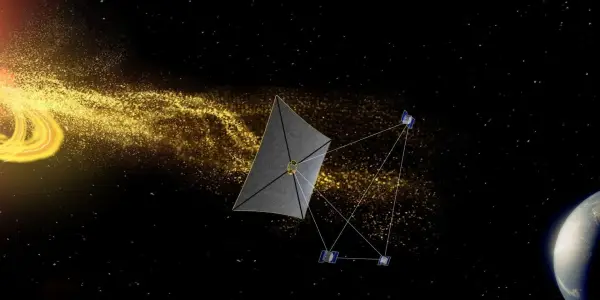
Proposed Fleet of Sun-Gazing Spacecraft Aims to...
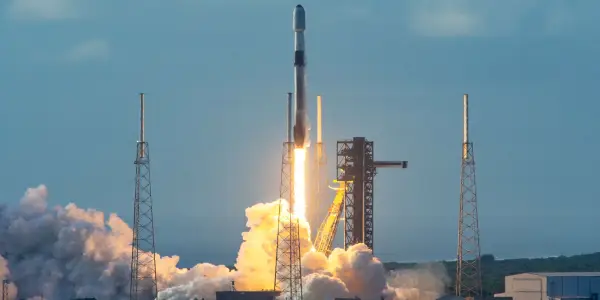
SpaceX Achieves Major Milestone with Launch of...

MiHoYo Expands Ambitions with New MMO Project...
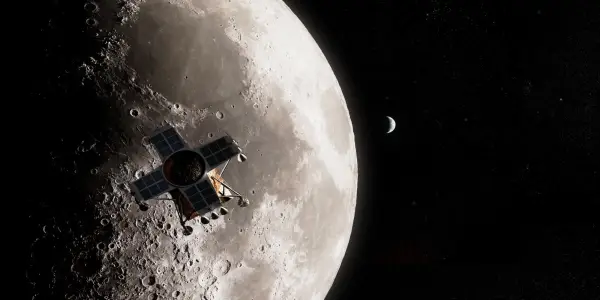
Impulse Space Enters Lunar Exploration: New...

Reviving Adult Friendships: Strategies to Combat...
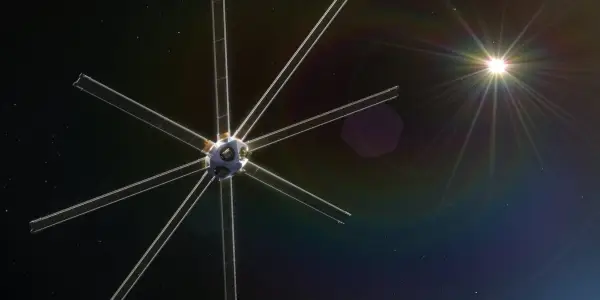
New Mexico Startup Unveils Ambitious Plan to...
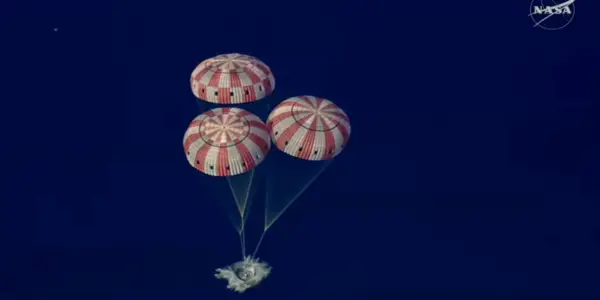
Artemis 2 Astronauts Safely Return After Historic...

Innovative Portable Reflecting Telescope...
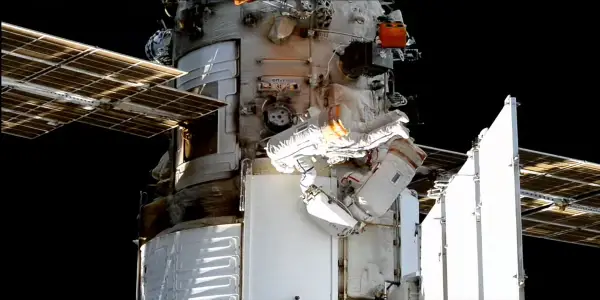
Russian Cosmonauts Conduct Extended Spacewalk to...
NASA's Ambitious Timeline for Human Exploration...
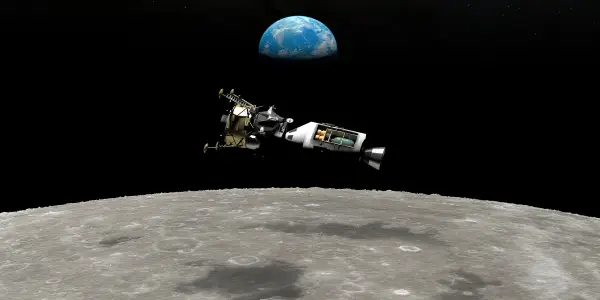
Assessing the Financial Impact of NASA's Apollo...
Unistellar eQuinox 2 Smart Telescope Sees...

Top Black Friday Smartwatch Deals Worth...

The Pleiades Star Cluster Reveals Its Extensive...

Childcare Crisis: Families Struggle as...
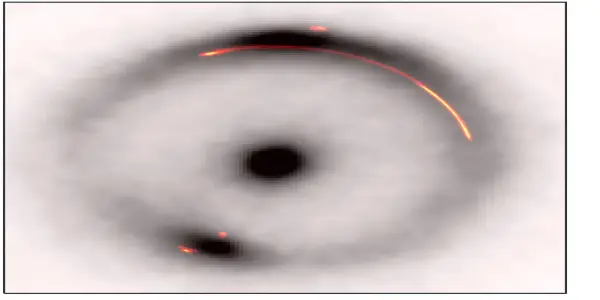
Astronomers Capture Evidence of Dark Matter's...

Japanese Astronaut Observes Typhoon Activity from...

Moss Endures Nine Months in the Vacuum of Space
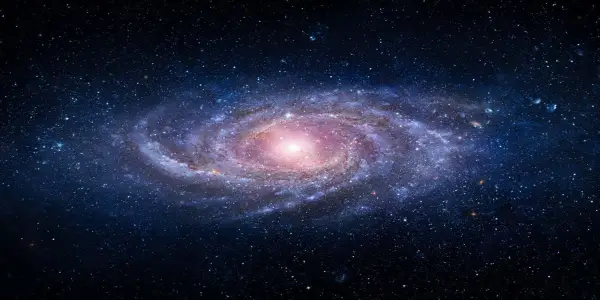
Potential Evidence of Dark Matter Emerges from...
Astrophysicists Unveil Dark Universe Through...
Samsung Galaxy S26 Expected to Feature Enhanced...
Unusual Wind from Neutron Star Challenges Space...
NASA's Artemis 3 Moon Mission Delayed to 2028 Due...
New Simulations Shed Light on the Enigmatic...
NASA Faces Scrutiny Over Boeing Starliner...

NASA Unveils New Images of Interstellar Comet...
Astrophotographer Captures Stunning Image of...