NASA's Groundbreaking Analog Missions: Preparing for Human Spaceflight Without Leaving Earth
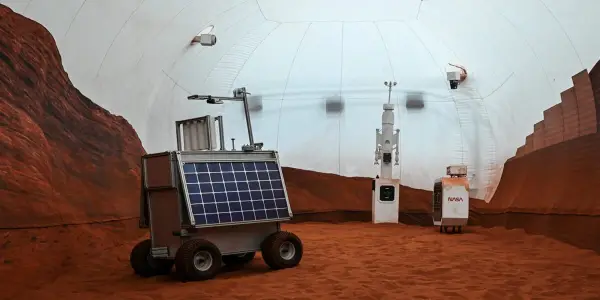
Through analog missions like those at NASA's CHAPEA facility, scientists are able to study human spaceflight dynamics, simulating extraterrestrial conditions right here on our planet.
In-depth analysis
Natural phenomena
Analog missions replicate the harsh environments of celestial bodies like the Moon and Mars, utilizing Earth-based facilities to simulate extreme conditions. Locations such as the Mars Desert Research Station and the Aquarius underwater habitat are designed to mimic the isolation and challenges astronauts will face, providing essential data on human adaptability in these unique settings.
Impact on communities
Local communities benefit from analog missions through increased engagement in science and technology initiatives. These missions often involve collaboration with educational institutions, fostering interest in space exploration and inspiring future generations of scientists and engineers.
Scientific updates
Recent analog missions, such as the one conducted at Hi-SEAS in Hawaii, have provided critical insights into crew dynamics and stress management. Researchers closely monitored participants to gather data on psychological resilience and operational efficiency, enhancing understanding of human factors essential for long-duration space travel.
Future outlook
As NASA aims for ambitious missions to the Moon and Mars, the lessons learned from analog missions will play a pivotal role. The ongoing research will refine training protocols, ensuring astronauts are equipped to handle the psychological and physical demands of future space expeditions.
Did you know?
Why this matters for our planet
NASA's analog missions are not just training exercises; they are crucial for developing sustainable practices for life beyond Earth. As we prepare for potential colonization of other planets, these missions teach us about resource management, psychological resilience, and teamwork in isolated environments. The insights gained can also inspire innovative solutions for challenges we face here on Earth, from climate change to urban living.
Earth's undiscovered wonder
Did you know that the Mars Desert Research Station in Utah operates under conditions that mimic Martian dust storms? This facility is not just a training ground; it provides valuable data on how dust affects both human health and technology, helping to prepare astronauts for similar challenges on Mars.
The voice of Earth
Marcus, 34, from Chicago, always dreamed of space travel. Growing up, he spent nights gazing at stars and imagining life on other planets. When he learned about NASA's analog missions, he jumped at the chance to apply. During his two-week stint in a simulated Martian habitat, he faced intense isolation but found solace in teamwork. The experience deepened his connection to the cosmos, igniting a passion for scientific exploration he now shares with local students, inspiring them to reach for the stars.

Exploring the Conclusion of 'Predator: Badlands'
American Museum of Natural History Launches...

UK Churches Embrace Heat Pumps for Sustainable...
Significant Geomagnetic Storm Unleashes Auroras...
Ancient Crocodile Fossils Unearthed in Australia...

The Earth’s Value: An Exploration of Its...

VTN Architects Completes Nuoc Ui School in...
James Webb Space Telescope Reveals First 3D...
Pacific Northwest's Subduction Zone Revealed to...

Exploring Key Questions Raised by ‘Avatar: Fire...

Exploring the Nature of Intelligence: Insights...

Protests Erupt at COP30 Climate Summit in Belém

US Government to Halt SNAP Benefits Amid Ongoing...
Aging Stars Pose Threat to Nearby Planets, New...

US Greenhouse Gas Emissions Increase Amid Cold...
Innovative Engine Harnesses Deep Space Energy for...
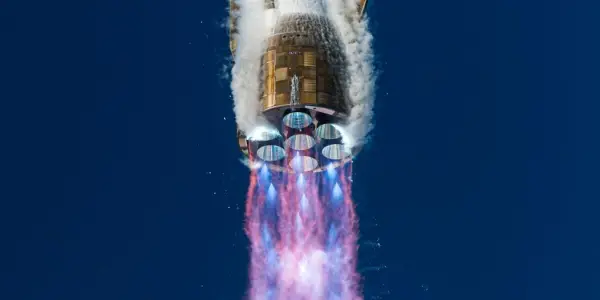
New Glenn Rocket Completes Successful Test...
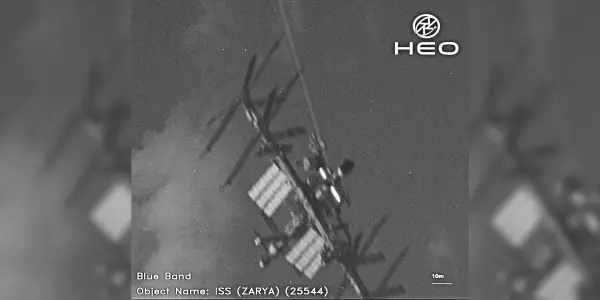
HEO Robotics Expands Satellite Imaging...

Rammed Earth Homes of 2026 Showcase Sustainable...

Reassessing Economic Growth: Valuing Natural...
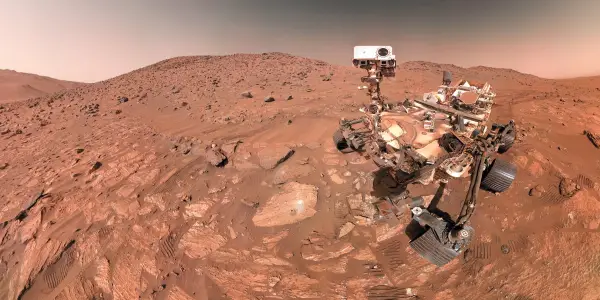
NASA's Mars Sample Return Mission Faces...

Coyote vs. Acme Blends Looney Tunes with...
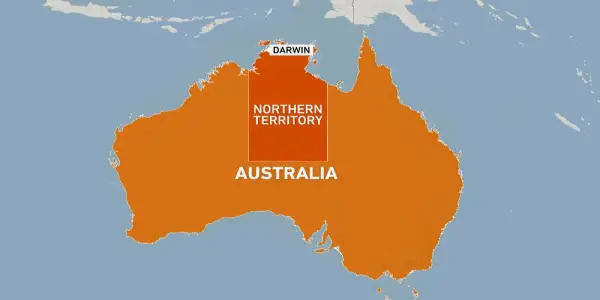
Damage Assessment Underway in Northern Australia...

Catherine O’Hara, Iconic Actress from...


New Insights into 'Project Hail Mary' Reveal...
Abrams Studios Announces New Sci-Fi Exploration...
Mars Express Reveals Evidence of Ancient Ice Age...
Ancient Lakes on Mars: New Research Unveils Ice...
Blue Origin's New Glenn Rocket Set to Launch...
Sun Emits Second-Strongest Flare of 2025, Causing...
Time on Mars Outpaces Earth, Unveiling Challenges...

Reassessing the Impact of Farmed Seafood on Ocean...
Understanding Artificial Reefs: A Solution for...

Putin Initiates Strategic Plan for Russia's Rare...
Sun Unleashes Spectacular Solar Flare Amid...

New Ice Age Episodes of Prehistoric Planet Now...

The Allure of Venezuela's Oil Reserves: Analyzing...

Google Launches WeatherNext 2: Enhanced AI...

Exploring the Depths of Nature: Boyd Varty's...