Jared Isaacman’s Vision for NASA: Expanding Humanity’s Reach to Other Worlds
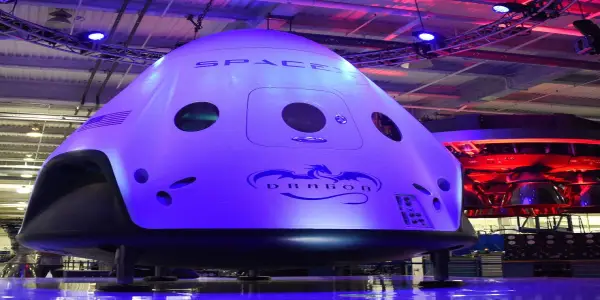
Following his Senate confirmation as NASA's new administrator, billionaire Jared Isaacman is poised to advance his ambitious vision of expanding human presence across the solar system.
In-depth analysis
New discoveries
Jared Isaacman's leadership at NASA heralds a new era for space exploration, particularly with his focus on Mars. His investment in advanced technologies, including prototype extravehicular activity gear, aims to enhance astronaut capabilities. Experts believe that detailed mapping of Mars through robotic missions could unlock crucial insights, paving the way for future human exploration.
Mission updates
Isaacman is set to prioritize a comprehensive robotic mission to Mars, utilizing advanced imaging technology. This initiative aims to create detailed Martian surface maps, which will be essential for planning future human expeditions.
Who is affected
NASA's recent leadership change impacts a range of stakeholders, including scientists, astronauts, and the broader space community. Budget constraints threaten key missions, which could affect ongoing research and communication with robotic explorers on Mars, ultimately influencing the future of space exploration.
Next steps
In the coming months, Isaacman will focus on aligning NASA's goals with congressional interests to secure funding. His approach will likely involve advocating for essential missions that support both robotic and human exploration initiatives.
Did you know?
Why we should care
Jared Isaacman's leadership at NASA could reshape our relationship with space travel. His focus on Mars exploration isn't just about reaching another planet; it’s about creating a future where space tourism and scientific discovery coexist. As private missions become more common, the potential for everyday people to experience space firsthand increases, bringing the cosmos closer to our daily lives and inspiring a new generation of explorers.
The universe's unsolved mystery
The quest for a multi-planetary civilization raises profound questions about humanity's future. How will we sustain life on Mars? What ethical considerations arise as we expand our presence in the cosmos? These mysteries challenge us to rethink our place in the universe and our responsibilities to both Earth and the planets we may inhabit.
The person who looks at the stars
Maria Chen, a middle school science teacher in Seattle, often shares her fascination with space with her students. After hearing about Isaacman's plans for Mars, she feels a renewed sense of hope. Maria believes that if her students can envision themselves as astronauts or scientists, they might pursue careers that will shape the future of space exploration. Inspired by Isaacman's philanthropic efforts, she integrates lessons on space technology and humanitarian work into her curriculum, showing her students that the stars are not just distant objects but attainable destinations. Her classroom buzzes with excitement as they brainstorm projects for future Mars missions, proving that the aspirations of one leader can ignite the dreams of many.
Expansion of Earth’s Magnetic Field Weak Spot...
Astronauts aboard the ISS Capture Stunning Images...

Samsung Unveils Unprecedented Black Friday Deal...
Astronomers Identify Ancient Water in...
The Dwarf III Smart Telescope: A Compact Marvel...

Celestial Wonders of Autumn 2025: Eight Key Night...
Italian Producer Plans Historic Film to Shoot in...
Astronomers Discover Eerie 'Cosmic Bat' Nebula in...
Hubble Telescope Unveils Enigmatic Galaxy NGC 2775
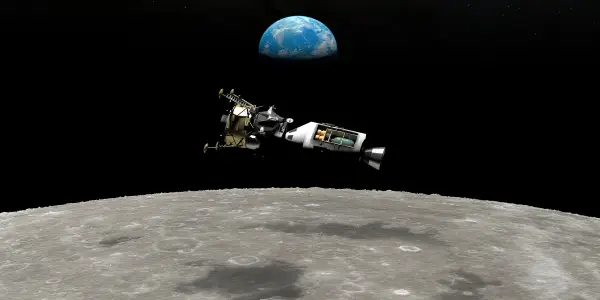
Assessing the Financial Impact of NASA's Apollo...

Astrophysicists Unveil Dark Universe Through...
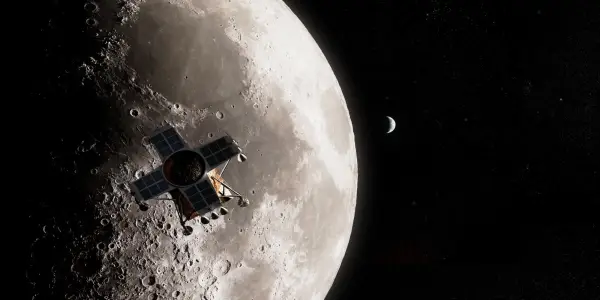
Impulse Space Enters Lunar Exploration: New...

The Pleiades Star Cluster Reveals Its Extensive...
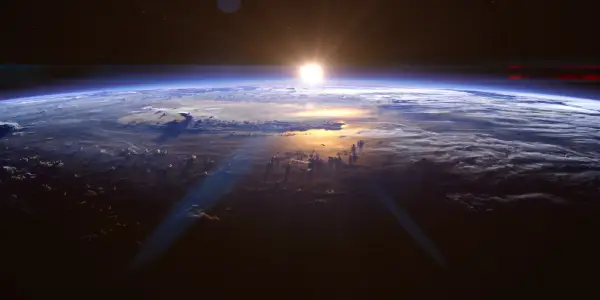
Portal Systems Aims to Revolutionize Spacecraft...
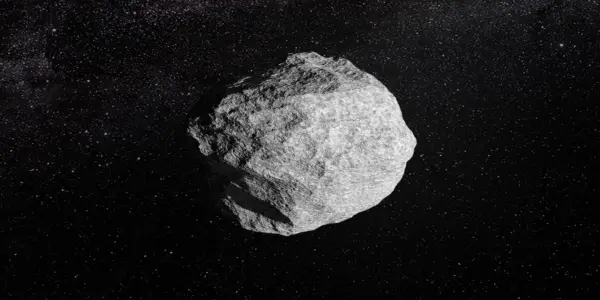
Young Canadian Astronomer Identifies Two...

Jeff Bezos's AI Hardware Venture Takes Aim at...

Affordable Fitness Tracking: The Amazfit Active 2...
Breakthrough in Milky Way Simulation Using AI...
Nearby Super-Earth Identified as Key Target in...
NASA's Artemis 3 Moon Mission Delayed to 2028 Due...
China's Tianwen-3 Mission: A Potential Rival in...
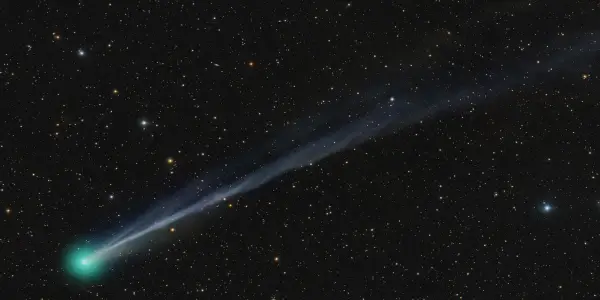
Astrophotographers Showcase Stunning New Images...
Congress Questions NASA's Facility Closures Amid...
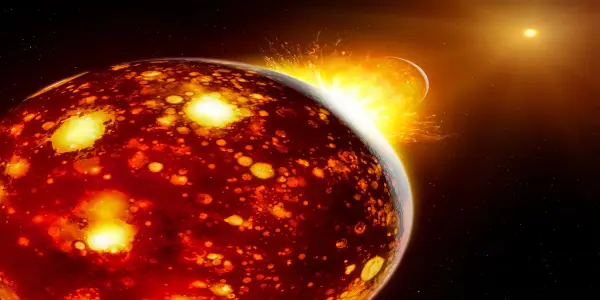
New Study Reveals Theia and Earth May Have Shared...
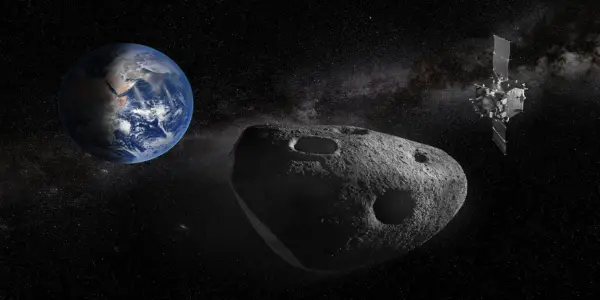
European Space Agency Enhances Collaboration with...
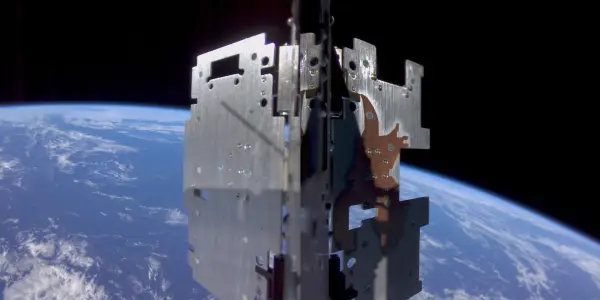
Australia's SpIRIT Nanosatellite Captures First...
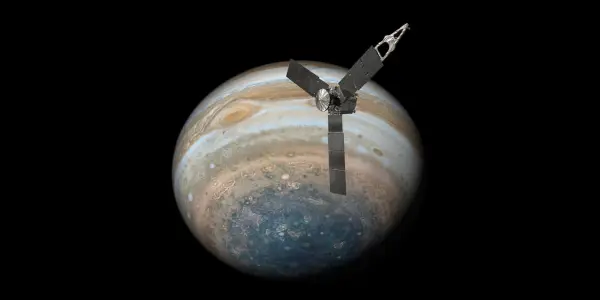
Juno's Mission Status in Question Amid Government...
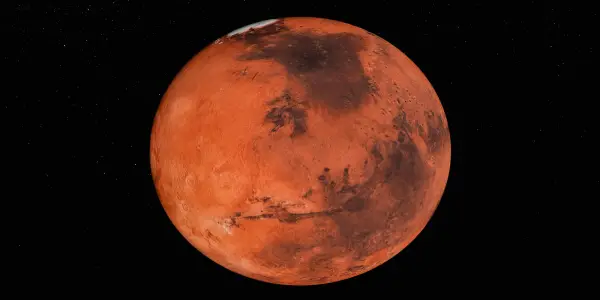
NASA's Ambitious Timeline for Human Exploration...

The Slitheen Return in 'Doctor Who' Comic Series...

Samsung Unintentionally Reveals Galaxy S26 Series...
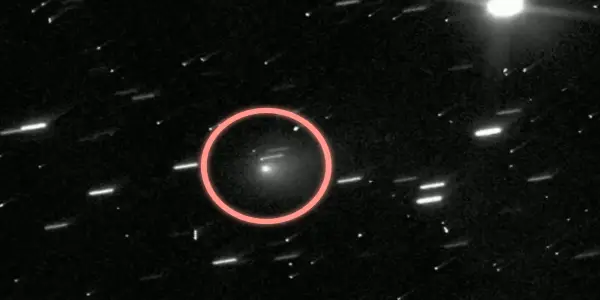
Interstellar Comet 3I/ATLAS Reveals Water...

Childcare Crisis: Families Struggle as...
Potential Alien Disclosure May Trigger Bitcoin...

Netgear Orbi 370 Review: An Accessible Wi-Fi 7...
UK Advances in Space Defense and Naval Drone...
Japanese Astronaut Observes Typhoon Activity from...
General Relativity May Extend Habitability of...
AI Reveals Over 800 New Cosmic Anomalies from...

Unusual Wind from Neutron Star Challenges Space...
SpaceX Achieves 150th Falcon 9 Launch with...