Jake Korell's 'The Second World' Explores Human Flaws in a Martian Society
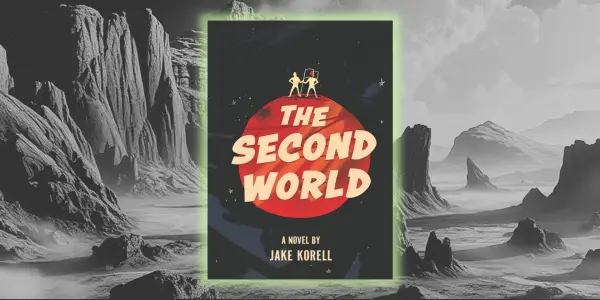
In his debut novel 'The Second World', Jake Korell presents a vision of an independent Mars influenced by current space policy discussions, emerging technologies, and human nature.
In-depth analysis
Natural phenomena
In 'The Second World', Mars is depicted as a harsh and unforgiving environment, where the challenges of colonization are amplified by its extreme weather conditions and barren landscape. The narrative highlights the necessity for innovative solutions to sustain human life, emphasizing the interplay between technological advancements and the planet's natural obstacles.
Impact on communities
The novel illustrates how the establishment of a colony on Mars reshapes social dynamics, fostering both collaboration and conflict among settlers. As communities form, underlying tensions driven by power struggles and ethical dilemmas emerge, influencing daily life and governance.
Scientific updates
Korell's work incorporates contemporary scientific discussions surrounding space exploration, including the feasibility of terraforming and the psychological effects of long-term space habitation. The narrative is steeped in realistic scenarios that reflect ongoing debates in astrobiology and space policy, grounding the story in current scientific discourse.
Future outlook
Looking ahead, 'The Second World' raises critical questions about humanity's preparedness for interplanetary living. It suggests that without addressing intrinsic human flaws, the challenges of Mars colonization may mirror historical failures, potentially jeopardizing future endeavors in space.
Did you know?
Why this matters for our planet
As we look towards Mars for potential colonization, the lessons learned from 'The Second World' resonate deeply. This novel highlights how our planet's current environmental and ethical dilemmas could be mirrored in extraterrestrial settings. Understanding these patterns is essential; the choices we make on Earth today will shape not only our survival as a species but also the legacy we leave for future generations on other planets.
Earth's undiscovered wonder
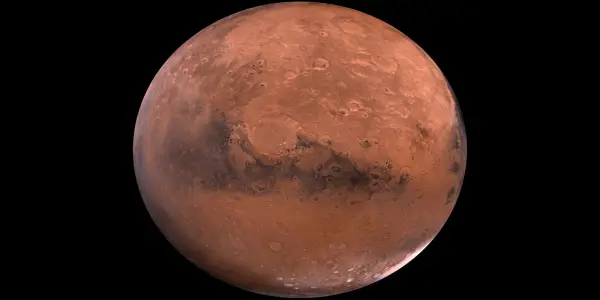
Mars, often called the 'Red Planet', has the largest dust storms in the solar system. These storms can last for weeks and cover the entire planet, with winds reaching up to 60 miles per hour. This unique atmospheric phenomenon offers insights into climate systems that may inform our understanding of weather and environmental changes on Earth.
The voice of Earth
Marcus, 34, from Chicago, has always dreamed of exploring space. As a child, he would watch the stars from his backyard, imagining life on another planet. Now, as an environmental scientist, he feels a deep responsibility to protect Earth while contemplating the future of humanity in space. Reading 'The Second World' struck a chord with him; it reminded him that while we dream of new worlds, we must confront our flaws here at home. He often reflects on how colonizing Mars could echo the mistakes of the past, and he worries that greed and neglect could lead to the same environmental degradation on another planet. For Marcus, this story is more than fiction; it’s a call to action for preserving the only home we’ve ever known.
Ancient Crocodile Fossils Unearthed in Australia...
Damage Assessment Underway in Northern Australia...
Innovative Engine Harnesses Deep Space Energy for...

Rising Frustration in Aceh as Flood Relief...

WhatsApp Security Vulnerability Exposes 3.5...
Study Reveals Fast Healing of Deep Earthquake...
Young Star V1298 Tau Sheds Light on Planet...
The Challenges of Sending a Supervillain into the...
The Earth’s Value: An Exploration of Its...

Post-Artemis 2: What Insights Will Scientists...
Natural History Museums: Essential Partners in...
Time on Mars Outpaces Earth, Unveiling Challenges...
Reassessing Economic Growth: Valuing Natural...
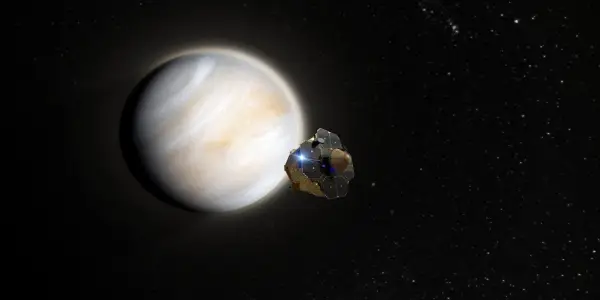
Upcoming Venus Missions Set to Explore Earth's...

VTN Architects Completes Nuoc Ui School in...
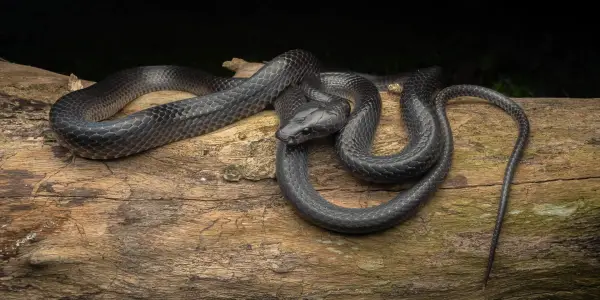
Newly Discovered Snake Species Named After Steve...

Google Enhances Weather Forecasting with...
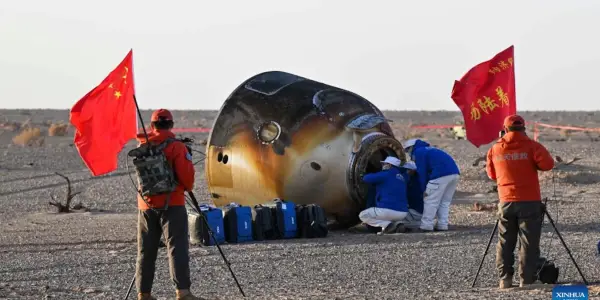
China's Astronauts Return Safely, but Another...
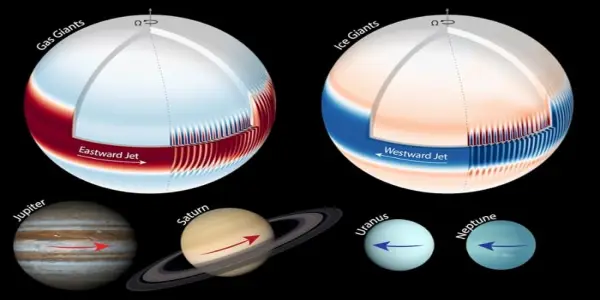
New Research Sheds Light on Jet Streams of Gas...

The Intersection of AI Development and Natural...
Significant Geomagnetic Storm Unleashes Auroras...

Putin Initiates Strategic Plan for Russia's Rare...
Understanding Artificial Reefs: A Solution for...
Exploring the Depths of Nature: Boyd Varty's...
Innovative Gel Shows Promise in Regenerating...
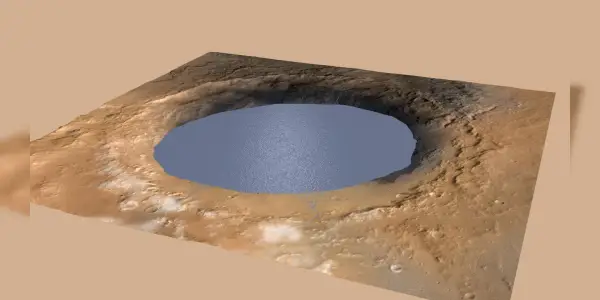
Ancient Lakes on Mars: New Research Unveils Ice...
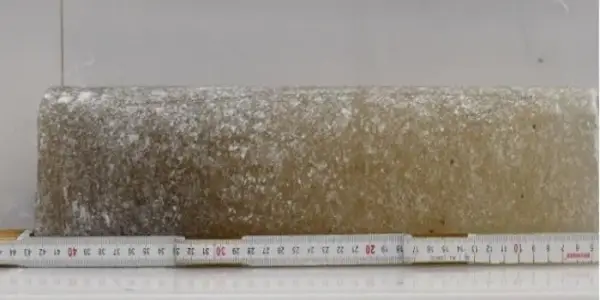
Ancient Air Trapped in 6-Million-Year-Old...

The Impact of the Three Gorges Dam on Earth's...
Innovative Technique Utilizes Dragonberry Weed to...
Significant Solar Activity Forecasted to Cause...

Top Organic Mattresses of 2025: Birch, Avocado,...
Intense Solar Activity: Sunspot Region Produces...
Intaaya Retreat in Indonesia Features Innovative...
New Ice Age Episodes of Prehistoric Planet Now...
Innovative Use of Underwater Speakers Aims to...
The Late Ordovician Mass Extinction: A Pivotal...
New Research Suggests Water Could Form During...
Understanding the Formation of Tectonic Plates
Embracing the Light: A Reflection on Our...