Ecuadorian Quarry Yields 112-Million-Year-Old Amber Filled with Ancient Insects
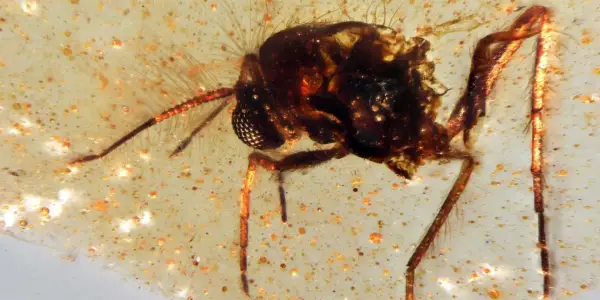
Pioneering research has revealed the first amber deposits in South America, containing ancient insect specimens, providing a unique window into the ecosystems of the supercontinent Gondwana.
In-depth analysis
Natural phenomena
The discovery of amber deposits in Ecuador marks a significant natural phenomenon, revealing well-preserved insects from 112 million years ago. Excavated from the Genoveva quarry, this amber provides a glimpse into a warm, tropical environment during the Early Cretaceous, a time when the supercontinent Gondwana began to fragment, altering global biodiversity.
Impact on communities
Local communities may benefit from increased interest in paleontological research, potentially boosting tourism and educational opportunities. This discovery could foster a greater appreciation for the region's geological heritage and promote conservation efforts.
Scientific updates
The study reveals significant findings, including bio-inclusions from five insect orders and plant fossils, enhancing understanding of ancient ecosystems. Researchers emphasize the importance of these amber deposits in reconstructing the evolutionary history of both flora and fauna in the Southern Hemisphere.
Future outlook
The growing interest in South American paleontology suggests that further discoveries may emerge, enriching the scientific narrative of the region. Continued research and preservation of such geological sites are essential for unlocking more secrets of Earth's prehistoric past.
Did you know?
Why this matters for our planet
The discovery of amber deposits in Ecuador is pivotal for understanding Earth's history and biodiversity. By revealing ancient ecosystems that thrived 112 million years ago, it offers insights into how climate change and continental drift have shaped life. This knowledge can inform current conservation efforts, helping us protect today's ecosystems that are at risk due to rapid environmental changes.
Earth's undiscovered wonder
Did you know that amber can preserve not just insects, but also microscopic life? Researchers have found that some amber specimens contain ancient microorganisms, including bacteria and algae, giving us a glimpse into the rich web of life that existed alongside larger organisms 112 million years ago.
The voice of Earth
Marcus, 34, from Chicago, has always been fascinated by the natural world. As a child, he spent hours collecting rocks and examining fossils at local museums. When he learned about the amber discovery in Ecuador, he felt a deep connection to those ancient ecosystems. 'It’s incredible to think that these tiny insects were living their lives millions of years ago, just like we do now,' he says. This revelation inspires him to advocate for fossil preservation, believing every piece of history holds lessons for the future.
Live Stream of Comets Lemmon and SWAN Approaching...
Viewing Comet C/2025 R2 (SWAN) During Its October...
Reassessing Economic Growth: Valuing Natural...
Young Star V1298 Tau Sheds Light on Planet...
Reassessing the Impact of Farmed Seafood on Ocean...
The Challenges of Sending a Supervillain into the...

New Glenn Rocket Completes Successful Test...

Sound Design Takes Center Stage in 'Alien: Earth'
Newly Discovered Snake Species Named After Steve...
Researchers Collaborate with Michelin Chefs to...
UK Churches Embrace Heat Pumps for Sustainable...
The Future of Exoplanet Discovery: Anticipating...
Mars Tactics: A New Strategic Frontier from...
SpaceX to Launch Over 100 Satellites Today on...
Trump Criticizes China's Trade Actions, Confirms...

Google Enhances Weather Forecasting with...

The Impact of Disasters on Relationships: A...
Mars Express Reveals Evidence of Ancient Ice Age...
Tennessee's Nature-Based Solutions for Health and...
Embracing the Light: A Reflection on Our...
Innovative Fluorescent Probe Reveals Microbial...
Upcoming Venus Missions Set to Explore Earth's...

The Download: Exploring Planetary Discovery and...
Perseverance Rover Discovers Unusual Rock Near...
New Study Reveals Microbes Colonizing Freshly...
Discovery of Submerged Land Bridge in Turkey...

The Allure of Venezuela's Oil Reserves: Analyzing...
ESA's Mars Orbiters Capture Rare Sight of...
Moss Survives 9 Months in Space and Thrives After...

US Greenhouse Gas Emissions Increase Amid Cold...
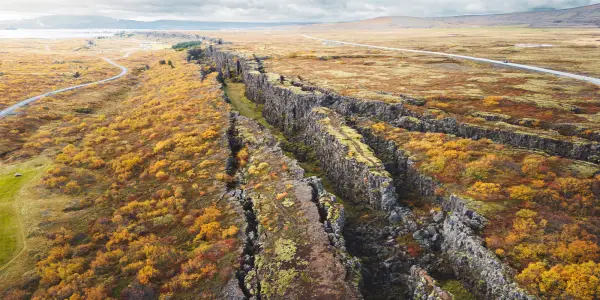
Understanding the Formation of Tectonic Plates
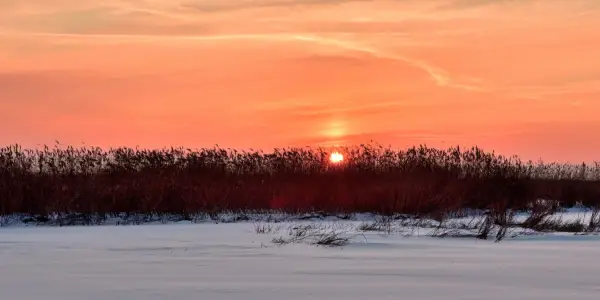
Daylight Saving Time: A Clash with Human and...
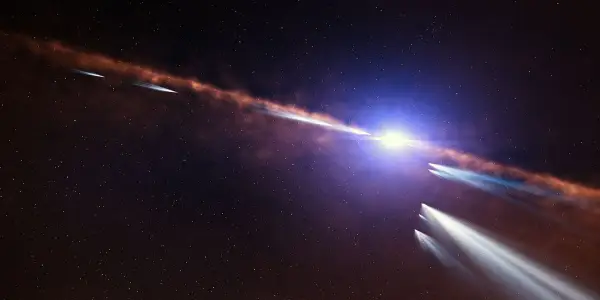
Exocomets Detected Around Distant Stars
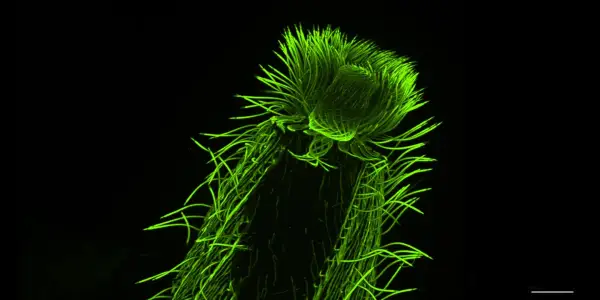
Breakthrough in Microscopy Sheds Light on Ocean's...

Exploring the Total Number of People Who Have...
Exploring the Nature of Intelligence: Insights...

Asteroid 2025 TF Makes Close Approach to Earth,...
The Late Ordovician Mass Extinction: A Pivotal...
Exploring Iterative Creativity: Pelicans on...

Peacemaker Season 2 Approaches Climax with...