Discovery of Submerged Land Bridge in Turkey Could Transform Understanding of Early Human Migration

Recent archaeological findings along the Ayvalık coast in Turkey reveal a submerged land bridge that may have facilitated early human migration into Europe, challenging previous assumptions about human dispersal routes.
In-depth analysis
Natural phenomena
The Ayvalık coast's submerged land bridge emerged during periods of lower sea levels, particularly the Ice Age, creating extensive coastal plains. These geographical changes facilitated human migration by connecting islands and peninsulas, allowing for a continuous landmass that served as a crucial corridor for early populations moving between Anatolia and Europe.
Impact on communities
The discovery of ancient tools in Ayvalık has the potential to reshape local historical narratives, highlighting the region's significance in early human migration. This new understanding may foster a deeper appreciation for the area's archaeological heritage among local communities.
Scientific updates
Recent archaeological findings along Turkey's Ayvalık coast reveal a wealth of Paleolithic artifacts, including sophisticated Levallois-style tools. These discoveries suggest that the region played a vital role in early human migration, highlighting interactions between Asian and European populations during the Pleistocene.
Future outlook
Ongoing research in Ayvalık promises to further unravel the complexities of early human migration and technological evolution. As studies continue, the region is poised to become a focal point for understanding prehistoric human behavior and interactions in the Aegean.
Did you know?
Why this matters for our planet
Understanding human migration routes like the newly uncovered land bridge in Ayvalık reshapes our knowledge of ancient civilizations and their adaptability. This insight not only informs archaeological scholarship but also emphasizes the importance of preserving coastal ecosystems today. By recognizing how past populations thrived in changing environments, contemporary societies can better appreciate the need for sustainable practices in the face of climate change.
Earth's undiscovered wonder
The submerged land bridge in Ayvalık was likely a vital passage for early humans, emerging during the Ice Age when sea levels were significantly lower. This region, now submerged, once connected various landmasses, facilitating migration and fostering interactions between early populations in Asia and Europe—a reminder of how our planet's geography has shaped human history.
The voice of Earth
Marcus, 34, a marine biologist from Chicago, often reflects on the ancient connections of humanity when he dives in the Great Lakes. Learning about the Ayvalık discovery struck a chord with him; it reminded him of the fragile links between land and sea. During a dive last summer, he found a small, ancient artifact that sparked his curiosity about the past. Each time he resurfaces, he feels a deeper connection not just to the waters he studies, but to the generations of people who navigated similar paths long ago. The thought that his work could contribute to understanding human resilience and adaptation fuels his passion for conservation, making every dive not just a profession, but a tribute to our shared history.
Expansion of Texas Natural Gas Infrastructure...
Jupiter and the Moon Align on October 13: Viewing...
Discovery of Submerged Land Bridge in Turkey...
ESA's Mars Orbiters Capture Rare Sight of...
Understanding the Formation of Tectonic Plates
UK Churches Embrace Heat Pumps for Sustainable...
Turkey Declines Rare Earth Element Sales to the...
Notable Aquatic Highlights from the 2025 Nature's...
Researchers Collaborate with Michelin Chefs to...
Natural History Museums: Essential Partners in...
Asteroid 2025 TF Makes Close Approach to Earth,...
Exploring the Depths of Nature: Boyd Varty's...
New Ice Age Episodes of Prehistoric Planet Now...
SpaceX to Launch Over 100 Satellites Today on...

Catherine O’Hara, Iconic Actress from...
Perseverance Rover Uncovers New Clue in Mars Life...

WhatsApp Security Vulnerability Exposes 3.5...
Damage Assessment Underway in Northern Australia...
World Space Week 2025: Envisioning Life Beyond...

The Impact of Disasters on Relationships: A...
Reassessing the Impact of Farmed Seafood on Ocean...
Live Stream of Comets Lemmon and SWAN Approaching...
Protests Erupt at COP30 Climate Summit in Belém
New Report Warns Corals Have Reached Irreversible...
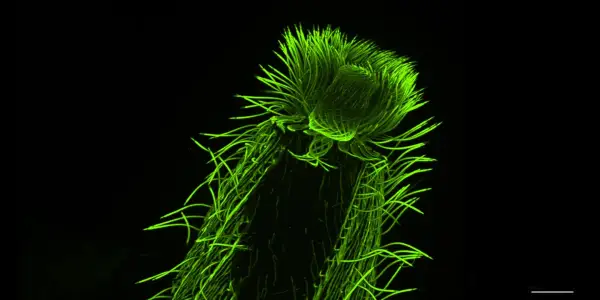
Breakthrough in Microscopy Sheds Light on Ocean's...
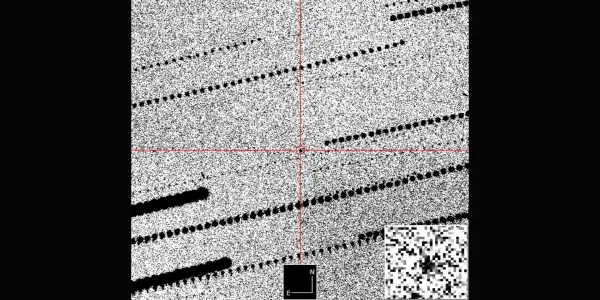
Asteroid 2025 TF Passes Closely by Earth,...

The Download: Exploring Planetary Discovery and...
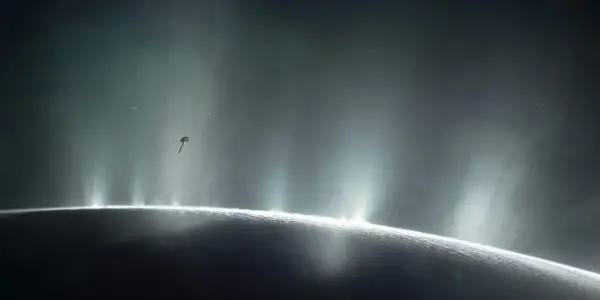
Supercomputers Analyze Enceladus's Plume Dynamics
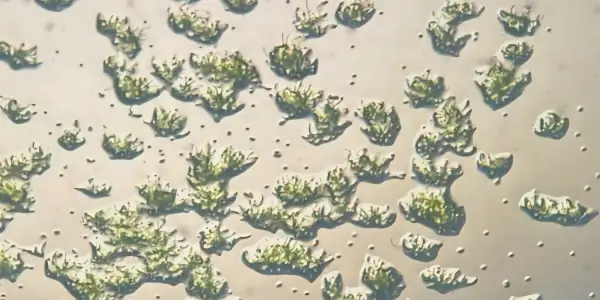
Moss Survives 9 Months in Space and Thrives After...
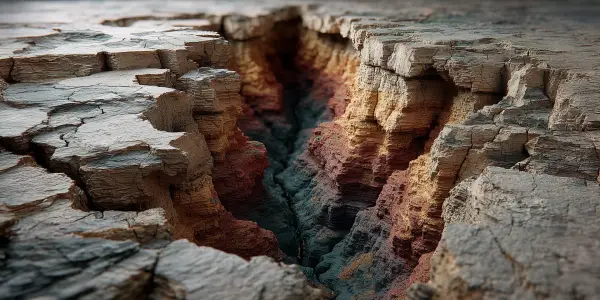
Study Reveals Fast Healing of Deep Earthquake...
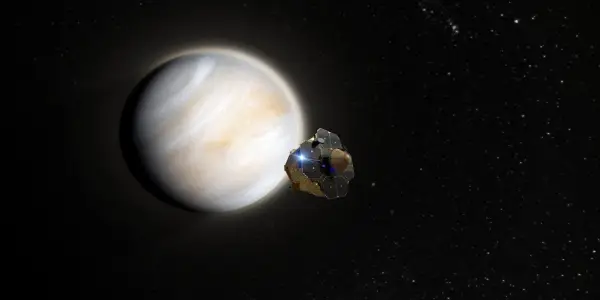
Upcoming Venus Missions Set to Explore Earth's...

Google Launches WeatherNext 2: Enhanced AI...

Post-Artemis 2: What Insights Will Scientists...
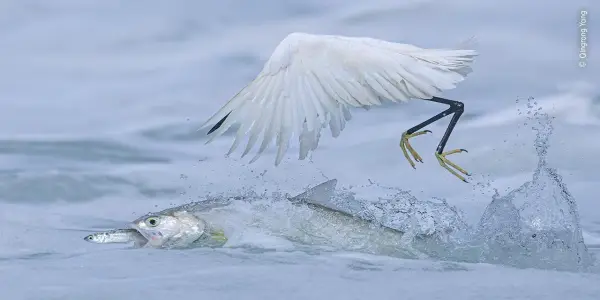
Wildlife Photographer of the Year 2025:...

Top Organic Mattresses of 2025: Birch, Avocado,...
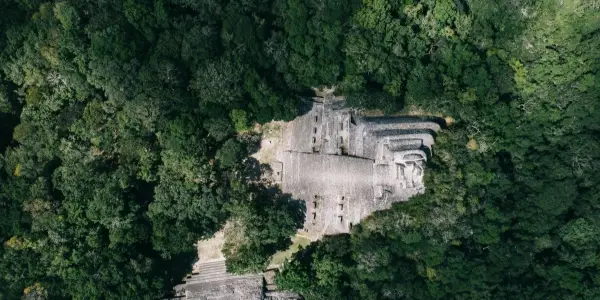
Historic Tri-National Initiative to Safeguard the...

Apple Offers Support Following Fire in Hong Kong
October’s Night Sky Features a Supermoon and...
Innovative Fluorescent Probe Reveals Microbial...
Catch a Glimpse of the Rare Comet Lemmon Before...