Ancient Lava Structures in Earth's Mantle May Provide Insights into Life's Origins
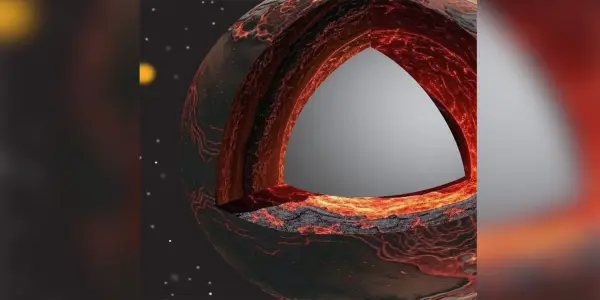
Recent research identifies two unusual formations beneath Earth's crust that could be remnants of early planetary conditions, potentially offering clues about the emergence of life.
In-depth analysis
Natural phenomena
Recent geological studies have identified two significant structures within Earth's mantle, located beneath the Pacific Ocean and Africa. These formations, classified as large low-shear-velocity provinces and ultra-low-velocity zones, lie about 1,800 miles deep and display distinct chemical characteristics that set them apart from the surrounding mantle material.
Impact on communities
The findings on mantle structures may influence our understanding of geological processes, potentially affecting communities through enhanced predictions of volcanic activity and seismic events, which are critical for disaster preparedness.
Scientific updates
The research led by Yoshinori Miyazaki suggests that these mantle features are not anomalies but rather indicators of Earth's formative history. Their study could provide insights into the ancient 'basal magma ocean' and its role in shaping Earth's cooling and atmospheric conditions.
Future outlook
As scientists continue to investigate these mantle structures, the integration of interdisciplinary approaches may lead to groundbreaking discoveries about Earth's evolution, enhancing our understanding of planetary formation and the origins of life.
Did you know?
Why this matters for our planet
Understanding the large structures beneath Earth's surface could reshape our knowledge of planetary evolution, directly impacting climate science and resource management. These formations may hold clues to volcanic activity and Earth's cooling history, which in turn influence weather patterns and natural disasters. As we face climate change, insights from these ancient geological fingerprints could guide future environmental policies and conservation efforts.
Earth's undiscovered wonder
Beneath the Pacific Ocean and Africa, two massive geological structures are located around 1,800 miles deep in the mantle. These formations, known as large low-shear-velocity provinces, may contain remnants of Earth's primordial magma ocean, reshaping our understanding of the planet's early history and its ability to support life.
The voice of Earth
Marcus, 34, from Chicago, often finds solace in nature, hiking through local forests. One day, he stumbled upon a geological exhibit that explained the mysteries of the Earth's mantle. Intrigued, he learned about the vast structures beneath his feet. This sparked a passion for geology, inspiring him to advocate for environmental awareness. Now, he organizes community clean-ups, sharing the story of how understanding Earth's depths can lead to preserving its surface. For Marcus, the connection between ancient geological processes and the health of today's ecosystems is both profound and personal.
November's Full Supermoon: A Celestial Event to...
Perseverance Rover Discovers Unusual Rock Near...
Innovative Gel Shows Promise in Regenerating...
Pacific Northwest's Subduction Zone Revealed to...
October 2025 New Moon Offers Rare Antares...
Breakthrough Discovery Offers Insights into the...
UK Churches Embrace Heat Pumps for Sustainable...
Exploring Iterative Creativity: Pelicans on...
Innovative Architectural Designs Inspired by...
Ancient Air Trapped in 6-Million-Year-Old...

Exploring the Conclusion of 'Predator: Badlands'
Time on Mars Outpaces Earth, Unveiling Challenges...
New Insights from the Butterfly Nebula May...
Exploring Sustainable Approaches to Deep-Sea...
Upcoming Venus Missions Set to Explore Earth's...
The Allure of Venezuela's Oil Reserves: Analyzing...
Becoming a Backyard Meteorologist: A Guide with...

VTN Architects Completes Nuoc Ui School in...
The Challenges of Sending a Supervillain into the...
Viewing Comet C/2025 R2 (SWAN) During Its October...
Rammed Earth Homes of 2026 Showcase Sustainable...
SpaceX to Launch Over 100 Satellites Today on...
Artemis II Sparks Renewed Interest in Lunar...

WhatsApp Security Vulnerability Exposes 3.5...
Protests Erupt at COP30 Climate Summit in Belém
Study Reveals Fast Healing of Deep Earthquake...
Blue Origin's New Glenn Rocket Successfully Lands...
Intaaya Retreat in Indonesia Features Innovative...
Supercomputers Analyze Enceladus's Plume Dynamics
Exocomets Detected Around Distant Stars
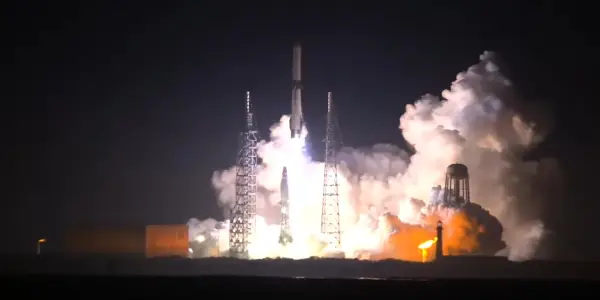
Blue Origin's New Glenn Rocket Set to Launch...
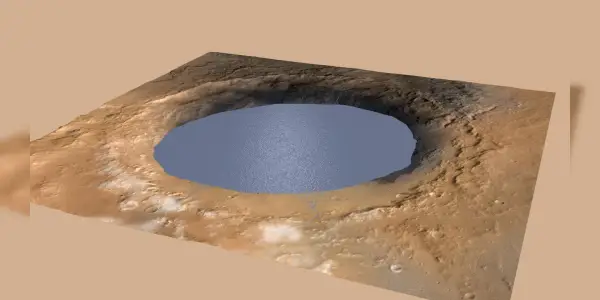
Ancient Lakes on Mars: New Research Unveils Ice...
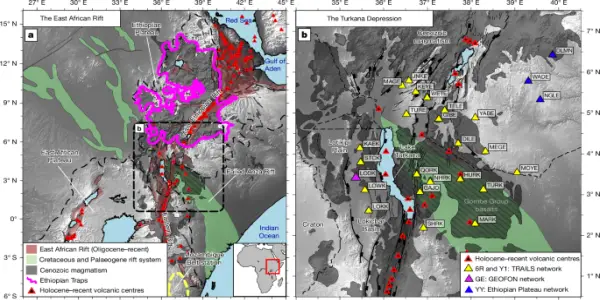
Insights into Lithospheric Dynamics from Turkana...
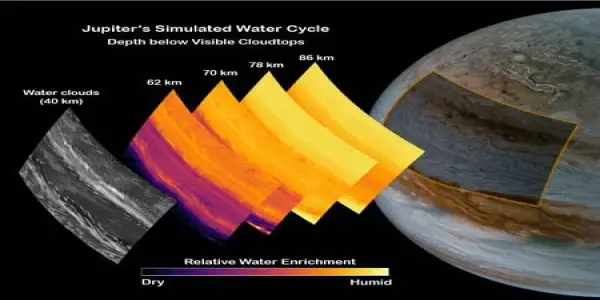
Jupiter's Rapid Spin Influences Water...
Ancient Australian Rocks Provide Insights into...
Sun Emits Second-Strongest Flare of 2025, Causing...

FX Confirms Season 2 Renewal for 'Alien: Earth'
James Webb Space Telescope Reveals First 3D...
Live Stream of Comets Lemmon and SWAN Approaching...
The Late Ordovician Mass Extinction: A Pivotal...