Moss Spores Survive 283 Days on ISS Exterior
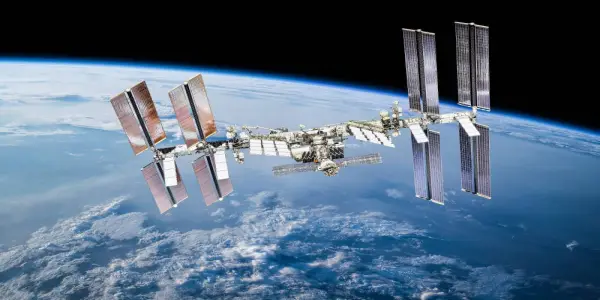
A Japanese study reveals that moss spores can survive 283 days on the ISS, showcasing their resilience and potential for future extraterrestrial agriculture.
In-depth analysis
Natural phenomena
The study highlights the extraordinary resilience of moss, particularly in extreme environments like outer space. Exposure to harsh conditions on the International Space Station, including intense radiation and temperature variations, did not hinder the survival of 80% of the spores after 283 days, showcasing the adaptability of these plant structures.
Impact on communities
The findings could influence agricultural practices and ecological strategies on Earth, particularly in areas facing severe environmental challenges, by leveraging the hardiness of moss.
Scientific updates
Researchers observed that juvenile moss, brood cells, and sporophytes all thrived under the ISS's extreme conditions. The successful reproduction of spores after prolonged exposure underscores the potential for utilizing moss in future space missions and terrestrial applications.
Future outlook
This research opens avenues for further exploration into plant resilience in space, potentially aiding in the development of sustainable ecosystems on the Moon and beyond, while also informing agricultural innovation on Earth.
Did you know?
Why this matters for our planet
The resilience of moss in space highlights its potential role in sustainable agriculture and ecosystem restoration on Earth. As climate change alters habitats, these hardy plants may provide solutions for rewilding degraded areas. Their ability to survive harsh conditions could inspire innovations in crop resilience, ensuring food security even in adverse environments.
Earth's undiscovered wonder
Mosses are some of the oldest land plants on Earth, dating back around 450 million years. They can survive extreme conditions, including drought and high radiation, thanks to their unique cellular structures. This adaptability allows them to colonize remote and harsh environments, playing a crucial role in soil formation and moisture retention.
The voice of Earth
Marcus, 34, from Chicago, has always found solace in the small park near his apartment, where he often observes moss clinging to the stones. When he learned about the moss's survival in space, it sparked a sense of wonder within him. He realized that these tiny plants, often overlooked, have immense resilience. Inspired, Marcus began a community project to educate children about local flora, hoping to instill a love for nature and its miracles. For him, moss is not just a plant; it represents hope and the possibility of life thriving against the odds.
FX Confirms Season 2 Renewal for 'Alien: Earth'
Aging Stars Pose Threat to Nearby Planets, New...

Tennessee's Nature-Based Solutions for Health and...
China's Astronauts Return Safely, but Another...

Google Enhances Weather Forecasting with...

Pacific Northwest's Subduction Zone Revealed to...
New Technique Unveils Natural Clock in Dinosaur...
HEO Robotics Expands Satellite Imaging...

Intaaya Retreat in Indonesia Features Innovative...
Innovative Engine Harnesses Deep Space Energy for...
Notable Aquatic Highlights from the 2025 Nature's...
New Research Suggests Water Could Form During...

New Insights from the Butterfly Nebula May...
New Ice Age Episodes of Prehistoric Planet Now...

Rising Frustration in Aceh as Flood Relief...
VTN Architects Completes Nuoc Ui School in...
Steven Spielberg Steps Back from Sci-Fi Series...
Time on Mars Outpaces Earth, Unveiling Challenges...
Damage Assessment Underway in Northern Australia...

Exploring Sustainable Methods for Rare Earth...
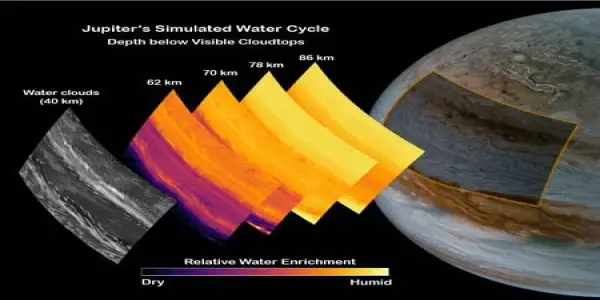
Jupiter's Rapid Spin Influences Water...

Portable Libraries: A Lifeline When Internet...

The Intersection of AI Development and Natural...

Coyote vs. Acme Blends Looney Tunes with...
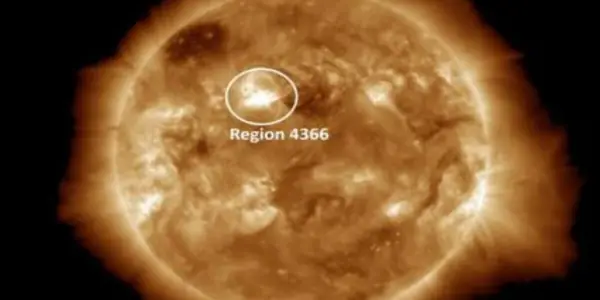
Intense Solar Activity: Sunspot Region Produces...
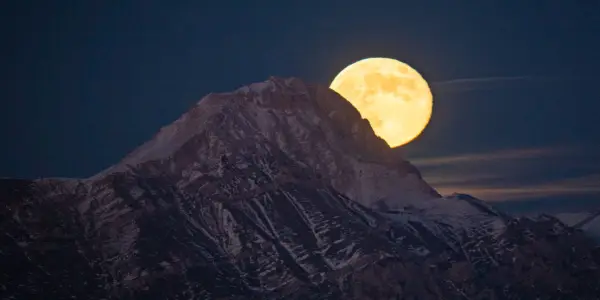
November's Full Supermoon: A Celestial Event to...
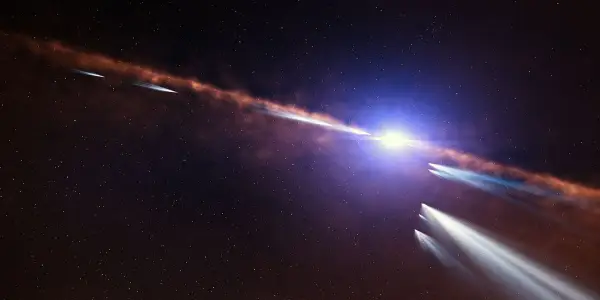
Exocomets Detected Around Distant Stars
Blue Origin's New Glenn Rocket Set to Launch...
New Fossil Discovery Alters Understanding of...
Insights into Lithospheric Dynamics from Turkana...
Study Reveals Fast Healing of Deep Earthquake...

Exploring Iterative Creativity: Pelicans on...
Abrams Studios Announces New Sci-Fi Exploration...

Mars Express Reveals Evidence of Ancient Ice Age...
New Glenn Rocket Completes Successful Test...

Apple Offers Support Following Fire in Hong Kong
Understanding the Formation of Tectonic Plates

Johnny Keefer's Ascent Raises Questions About...