World Space Week 2025: Envisioning Life Beyond Earth
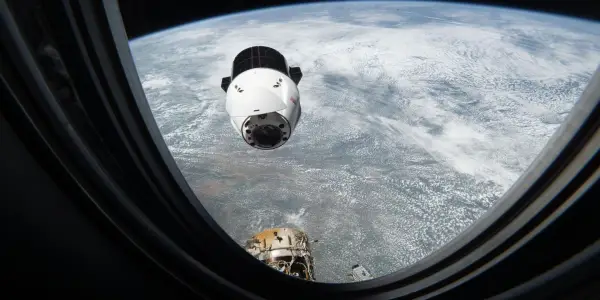
World Space Week 2025 celebrates 'Living in Space,' exploring the challenges of human life beyond Earth while marking key milestones in space exploration his...
In-depth analysis
Natural phenomena
World Space Week 2025 celebrates the theme 'Living in Space,' highlighting the significant challenges of human habitation beyond Earth. This annual event, initiated by the United Nations, has grown to encompass activities in over 90 countries, reflecting a global commitment to space exploration and the potential for future life on celestial bodies.
Impact on communities
The celebration of World Space Week fosters community engagement through educational events, workshops, and exhibitions. Local organizations and schools participate actively, inspiring future generations to consider careers in science and technology.
Scientific updates
NASA and its partners are advancing research on lunar habitats and the effects of prolonged space missions on astronaut health. This includes testing designs for future commercial space stations that will replace the International Space Station, ensuring sustainable human presence beyond Earth.
Future outlook
As the number of people living in space is set to increase with new stations, the focus on 'Living in Space' encourages innovative solutions to the challenges of extraterrestrial life. This theme aims to prepare humanity for potential settlements on the Moon and Mars.
Did you know?
Why this matters for our planet
World Space Week 2025 isn't just about celebrating space; it highlights critical advancements that could redefine life on Earth. As we explore sustainable living in space, lessons learned could directly influence environmental practices here. Innovations in closed-loop life support systems, for example, can offer solutions to resource management and waste reduction, vital for our planet's survival. It's a bridge between space exploration and Earth sustainability.
Earth's undiscovered wonder
Did you know that the Moon is slowly drifting away from Earth at a rate of about 3.8 centimeters per year? This gradual shift not only influences tides but also affects the length of our days, making the study of lunar habitation essential for understanding our planet's future.
The voice of Earth
Marcus, 34, from Chicago, has always been fascinated by space. As a child, he would gaze at the stars with his grandmother, dreaming of what life might be like beyond Earth. Now, as an aerospace engineer, Marcus feels a profound responsibility to contribute to humanity's next steps in space exploration. During World Space Week, he plans to volunteer at local educational events, hoping to inspire young minds like his own. He believes that understanding how to sustain life in space could unlock solutions for environmental challenges back home, bridging his childhood dreams with a tangible impact on our planet's future.
Expert Commentary
Supercomputers Analyze Enceladus's Plume Dynamics

Trump Criticizes China's Trade Actions, Confirms...

Expansion of Texas Natural Gas Infrastructure...
Aging Stars Pose Threat to Nearby Planets, New...
Viewing Comet C/2025 R2 (SWAN) During Its October...
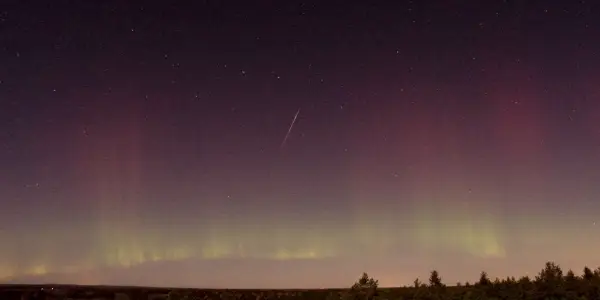
Draconid Meteor Shower Peaks on October 8: What...

Notable Aquatic Highlights from the 2025 Nature's...

Political Turmoil Deepens as Another French Prime...
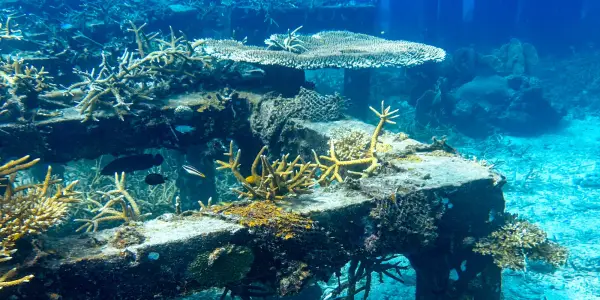
Understanding Artificial Reefs: A Solution for...
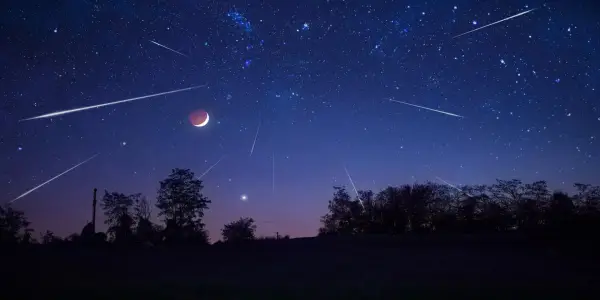
October’s Night Sky Features a Supermoon and...
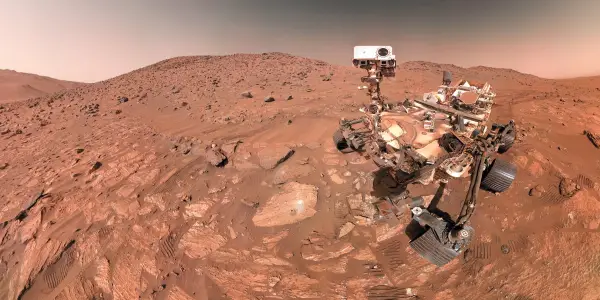
NASA's Mars Sample Return Mission Faces...
Moss Survives 9 Months in Space and Thrives After...

Johnny Keefer's Ascent Raises Questions About...
New Ice Age Episodes of Prehistoric Planet Now...

30 Unusual Bat Species That Challenge...

Natural History Museums: Essential Partners in...
Post-Artemis 2: What Insights Will Scientists...

UK Churches Embrace Heat Pumps for Sustainable...

VTN Architects Completes Nuoc Ui School in...
New Insights from the Butterfly Nebula May...
World Space Week 2025: Envisioning Life Beyond...
Rising Gas Bills Despite Low Natural Gas Prices:...
Ecuadorian Quarry Yields 112-Million-Year-Old...
ESA's Mars Orbiters Capture Rare Sight of...

Rising Popularity of Weight-Loss Injections...

Indigenous Activists Challenge COP30's Rainforest...
Study Reveals Fast Healing of Deep Earthquake...

Reassessing Economic Growth: Valuing Natural...
Insights into Lithospheric Dynamics from Turkana...

Daylight Saving Time: A Clash with Human and...

Understanding the Formation of Tectonic Plates
Exploring the Nature of Intelligence: Insights...

The Impact of the Three Gorges Dam on Earth's...
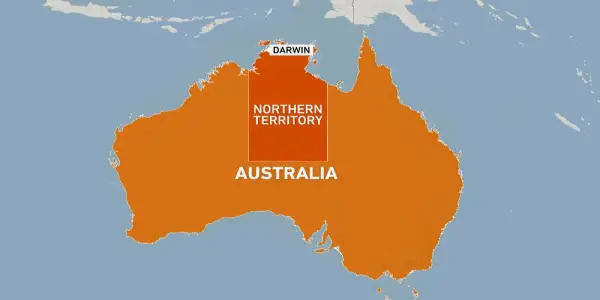
Damage Assessment Underway in Northern Australia...

Reassessing the Impact of Farmed Seafood on Ocean...
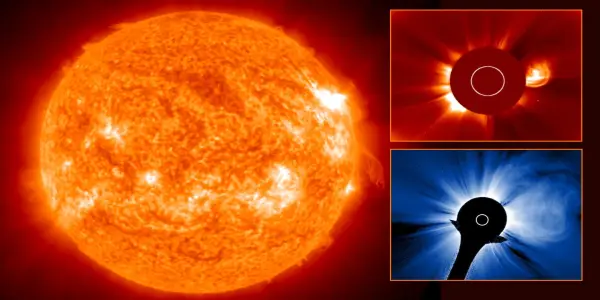
Sun Emits Second-Strongest Flare of 2025, Causing...
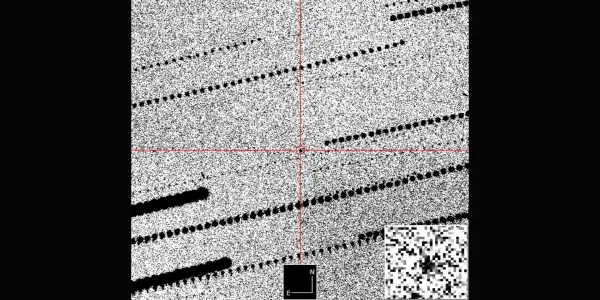
Asteroid 2025 TF Passes Closely by Earth,...
Ancient Australian Rocks Provide Insights into...
China's Astronauts Return Safely, but Another...
Jupiter and the Moon Align on October 13: Viewing...