Rising Gas Bills Despite Low Natural Gas Prices: Understanding the Disconnect
Despite low natural gas prices, consumers face rising gas bills due to increased infrastructure costs. Explore the reasons behind this disconnect in our late...
In-depth analysis
Natural phenomena
The ongoing low prices of natural gas have created a paradox for consumers, especially in areas like Wyncote, Pennsylvania, where utility bills have surged despite cheaper gas. This disconnect is partly attributed to extensive infrastructure upgrades aimed at enhancing safety and reliability, reflecting a broader trend across the nation where infrastructure costs increasingly dominate consumer bills.
Impact on communities
Communities are feeling the financial strain as utility bills rise sharply, leading to significant challenges for residents. In Wyncote, for example, many households are grappling with bills nearing $1,000, prompting concerns about affordability and the sustainability of current energy practices.
Scientific updates
Recent reports indicate that gas utilities have escalated infrastructure spending from $8 billion to $13 billion annually, driven by safety imperatives following past disasters. This shift in expenditure is reshaping the financial landscape of utility bills, where a growing portion is now allocated to infrastructure rather than the gas itself.
Future outlook
The future of gas utility pricing remains uncertain as states and regulators begin to challenge rising infrastructure costs. With increasing scrutiny and calls for a transition toward renewable energy, the industry may face pressure to adapt its investment strategies, potentially reshaping consumer costs in the coming years.
Did you know?
Why this matters for our planet
The rising infrastructure costs in gas utility bills reflect a critical challenge in our transition to sustainable energy. As more of our monthly expenses are tied to outdated systems rather than the actual cost of gas, consumers face financial strain while the environment suffers. This trend underscores the urgency for investment in renewable energy sources, helping to combat climate change and reduce our reliance on fossil fuels.
Earth's undiscovered wonder
Did you know that the U.S. has over 2.5 million miles of natural gas pipelines? This extensive network, much of which is aging, plays a crucial role in energy distribution but poses significant safety and environmental risks. As utilities invest heavily in infrastructure upgrades, the impact on both consumer costs and the planet's health becomes increasingly evident.
The voice of Earth
Marcus, 34, from Chicago, never thought a winter utility bill could make him feel powerless. Last year, he was shocked to find his gas bill soar to over $900, despite low natural gas prices. As he watched his neighbors struggle too, he realized the burden of outdated infrastructure wasn't just financial; it was a deepening concern for the planet. This winter, he’s committed to reducing his energy use, embracing electric heating, and advocating for sustainable alternatives. Marcus believes that every small step counts in the fight against climate change, urging others to consider the real costs of their energy choices.
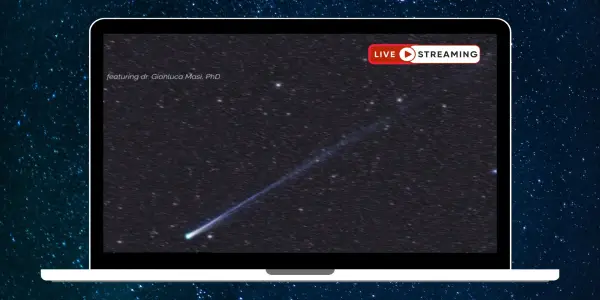
Live Stream of Comets Lemmon and SWAN Approaching...

Viewing Comet C/2025 R2 (SWAN) During Its October...
Reassessing Economic Growth: Valuing Natural...

The Intersection of AI Development and Natural...

Sound Design Takes Center Stage in 'Alien: Earth'
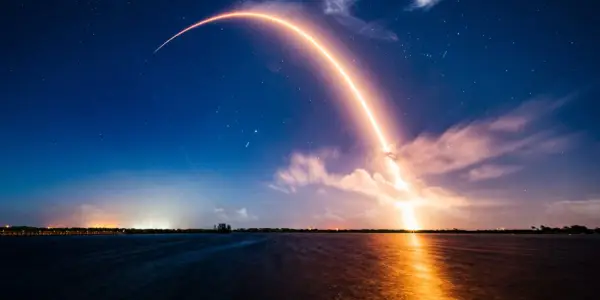
The Challenges of Sending a Supervillain into the...
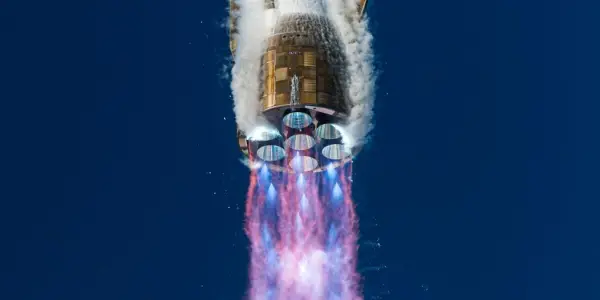
New Glenn Rocket Completes Successful Test...
The Allure of Venezuela's Oil Reserves: Analyzing...

Newly Discovered Snake Species Named After Steve...

Researchers Collaborate with Michelin Chefs to...

UK Churches Embrace Heat Pumps for Sustainable...

The Future of Exoplanet Discovery: Anticipating...
Mars Tactics: A New Strategic Frontier from...
SpaceX to Launch Over 100 Satellites Today on...

Trump Criticizes China's Trade Actions, Confirms...

Google Enhances Weather Forecasting with...

The Impact of Disasters on Relationships: A...

Mars Express Reveals Evidence of Ancient Ice Age...

Tennessee's Nature-Based Solutions for Health and...

Embracing the Light: A Reflection on Our...

Innovative Fluorescent Probe Reveals Microbial...
Upcoming Venus Missions Set to Explore Earth's...

The Download: Exploring Planetary Discovery and...
Perseverance Rover Discovers Unusual Rock Near...
New Study Reveals Microbes Colonizing Freshly...

Discovery of Submerged Land Bridge in Turkey...
October 2025 New Moon Offers Rare Antares...

ESA's Mars Orbiters Capture Rare Sight of...
Moss Survives 9 Months in Space and Thrives After...
US Greenhouse Gas Emissions Increase Amid Cold...
Understanding the Formation of Tectonic Plates

Daylight Saving Time: A Clash with Human and...

Exocomets Detected Around Distant Stars

Breakthrough in Microscopy Sheds Light on Ocean's...

Exploring the Total Number of People Who Have...

Exploring the Nature of Intelligence: Insights...

Asteroid 2025 TF Makes Close Approach to Earth,...

The Late Ordovician Mass Extinction: A Pivotal...
Exploring Iterative Creativity: Pelicans on...

Peacemaker Season 2 Approaches Climax with...