Researchers Collaborate with Michelin Chefs to Revive Ancient Bulgarian Yogurt Recipe Using Ants
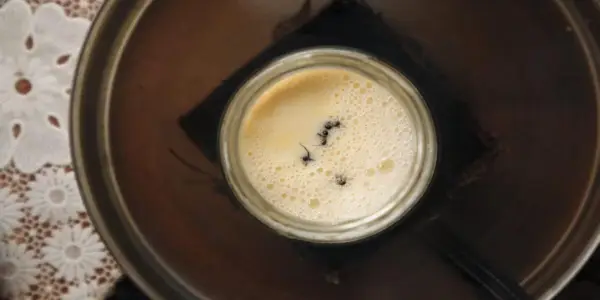
Researchers team up with Michelin chefs to recreate an ancient Bulgarian yogurt recipe featuring ants, blending tradition with modern science in a unique cul...
In-depth analysis
Natural phenomena
The study highlights the unique role of the red wood ant, Formica rufa, in the ancient practice of yogurt-making in Bulgaria. By utilizing live ants in the fermentation process, researchers demonstrated how these insects contribute essential compounds like formic acid, showcasing a remarkable synergy between nature and culinary tradition that enhances the yogurt's flavor and texture.
Impact on communities
This research revives and validates traditional Bulgarian yogurt-making practices, fostering a renewed appreciation for local culinary heritage. It also encourages community engagement in preserving these age-old techniques, linking cultural identity with contemporary food science.
Scientific updates
The findings reveal that live ants are indispensable for yogurt fermentation, as attempts with frozen or deceased specimens failed to replicate the desired results. This underscores the vital role of the ants' natural microbiome in producing effective fermentation conditions, merging ancient knowledge with modern scientific exploration.
Future outlook
The study opens avenues for further exploration of traditional food practices through a scientific lens, potentially inspiring new culinary innovations. It also emphasizes the importance of safeguarding biodiversity and traditional knowledge in a rapidly changing world.
Did you know?
Why this matters for our planet
This groundbreaking research highlights the vital role that biodiversity plays in food production. By incorporating ants into yogurt-making, we see a practical example of how traditional methods can enhance our understanding of fermentation. Embracing such techniques not only preserves cultural heritage but also offers sustainable alternatives, reminding us that nature's complexity can lead to innovative solutions for modern challenges.
Earth's undiscovered wonder
The red wood ant, Formica rufa, is not only a key player in this ancient yogurt-making practice but also one of Earth's most effective decomposers. A single colony can consume over 100,000 insects in a year, showcasing their vital role in maintaining ecological balance and nutrient cycling in their habitats.
The voice of Earth
Marcus, 34, from Chicago, grew up listening to his grandmother's stories about her village in Bulgaria, where yogurt was more than just food; it was a communal ritual. When he heard about the research using ants in yogurt, he felt a deep connection to his roots. Inspired, he sought out local farmers to learn about fermentation, eager to blend tradition with modern techniques. The idea that ants could bring a taste of his heritage back to life moved him. Now, he often hosts gatherings to share homemade yogurt, sparking conversations about the interconnectedness of nature and culture.
Moss Survives 9 Months in Space and Thrives After...
New Ice Age Episodes of Prehistoric Planet Now...

The Impact of the Three Gorges Dam on Earth's...

Turkey Declines Rare Earth Element Sales to the...
Rising Gas Bills Despite Low Natural Gas Prices:...
Historic Tri-National Initiative to Safeguard the...
Perseverance Rover Discovers Unusual Rock Near...
Expansion of Texas Natural Gas Infrastructure...
Ancient Australian Rocks Provide Insights into...
Aging Stars Pose Threat to Nearby Planets, New...
HEO Robotics Expands Satellite Imaging...

Google Enhances Weather Forecasting with...
New Report Warns Corals Have Reached Irreversible...
Exocomets Detected Around Distant Stars
Sun Emits Second-Strongest Flare of 2025, Causing...
Natural History Museums: Essential Partners in...

Rising Frustration in Aceh as Flood Relief...

Catherine O’Hara, Iconic Actress from...
Ancient Crocodile Fossils Unearthed in Australia...

The Evolution of Real-Time AI Translation:...
Exploring the Nature of Intelligence: Insights...

Post-Artemis 2: What Insights Will Scientists...
New Fossil Discovery Alters Understanding of...
Jupiter and the Moon Align on October 13: Viewing...
Viewing Comet C/2025 R2 (SWAN) During Its October...
World Space Week 2025: Envisioning Life Beyond...

The Impact of Disasters on Relationships: A...

US Greenhouse Gas Emissions Increase Amid Cold...
Wildlife Photographer of the Year 2025:...

The Download: Exploring Planetary Discovery and...
October 2025 New Moon Offers Rare Antares...

Political Turmoil Deepens as Another French Prime...
The Intersection of AI Development and Natural...

Exploring Iterative Creativity: Pelicans on...

Sound Design Takes Center Stage in 'Alien: Earth'
Catch a Glimpse of the Rare Comet Lemmon Before...
Japanese Hot Springs May Illuminate the Early...
Upcoming Venus Missions Set to Explore Earth's...
Young Star V1298 Tau Sheds Light on Planet...