Engineered Wheat Promotes Its Own Fertilizer Production
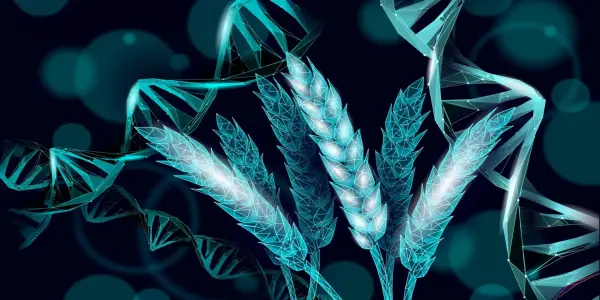
Researchers at UC Davis have developed a wheat variety that enhances soil bacteria's ability to convert atmospheric nitrogen into usable fertilizer, potentially reducing reliance on synthetic fertilizers.
In-depth analysis
Natural phenomena
The engineered wheat variety demonstrates a significant advancement in agricultural biotechnology by enhancing soil bacteria's ability to perform nitrogen fixation. This process, facilitated by the release of specific compounds from wheat roots, promotes a natural cycle that can improve soil health and reduce reliance on synthetic fertilizers, ultimately benefiting ecosystems.
Impact on communities
This innovation holds potential for smallholder farmers in developing regions, where access to fertilizers is often limited. By promoting natural fertilizer production, it could alleviate financial burdens and enhance food security in vulnerable communities.
Scientific updates
The research led by Eduardo Blumwald utilized CRISPR technology to modify wheat for increased production of apigenin, a flavone that supports nitrogen-fixing bacteria. The resulting wheat showed improved yields in low-nitrogen conditions, highlighting the effectiveness of this genetic approach in sustainable agriculture.
Future outlook
As this technology progresses, it could revolutionize farming practices by reducing dependency on chemical fertilizers. The potential for significant cost savings and environmental benefits suggests a promising future for sustainable agriculture, particularly in regions facing resource constraints.
Did you know?
Why this matters for our planet
This breakthrough in wheat cultivation could reshape our approach to farming. By naturally enhancing soil bacteria's ability to produce fertilizer, it reduces reliance on chemical fertilizers that often pollute our waterways and contribute to climate change. For everyday consumers, this means potentially lower food prices and healthier ecosystems, as less harmful runoff enters our lakes and rivers.
Earth's undiscovered wonder
Wheat, though widely cultivated, has a secret life beneath the surface. Its roots release compounds that can impact soil health significantly, facilitating a symbiotic relationship with bacteria. This relationship is essential for nitrogen fixation, a natural process that could revolutionize how we think about fertilizer and its environmental footprint.
The voice of Earth
Marcus, 34, from Chicago, grew up helping his grandfather on a small farm in Illinois. He remembers the smell of freshly turned soil and the satisfaction of watching crops thrive. Recently, Marcus learned about the new wheat variety that could reduce fertilizer use. 'It’s a game-changer,' he says, envisioning a future where small farmers in developing countries can grow food sustainably without the burden of costly fertilizers. For him, this innovation isn’t just about agriculture; it’s about preserving the land for his children, ensuring that the connection to nature he cherished remains intact.

Innovative Use of Underwater Speakers Aims to...

Tennessee's Nature-Based Solutions for Health and...

Live Stream of Comets Lemmon and SWAN Approaching...


Portable Libraries: A Lifeline When Internet...

Supercomputers Analyze Enceladus's Plume Dynamics

Intaaya Retreat in Indonesia Features Innovative...
New Technique Unveils Natural Clock in Dinosaur...

Protests Erupt at COP30 Climate Summit in Belém
New Fossil Discovery Alters Understanding of...
October 2025 New Moon Offers Rare Antares...
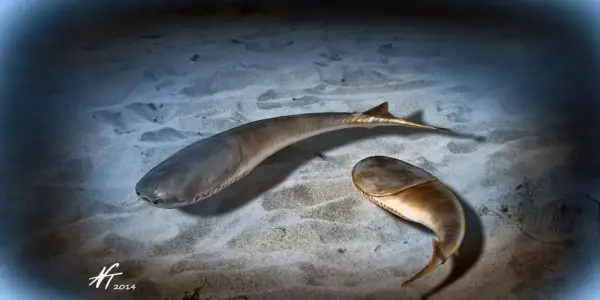
The Late Ordovician Mass Extinction: A Pivotal...

Google Launches WeatherNext 2: Enhanced AI...

Significant Solar Activity Forecasted to Cause...

Explosive Discoveries: CO₂ Ice Blocks May Be the...
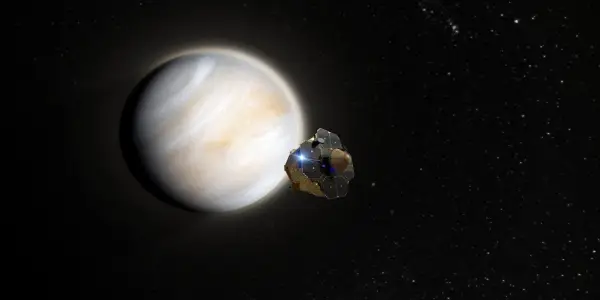
Upcoming Venus Missions Set to Explore Earth's...
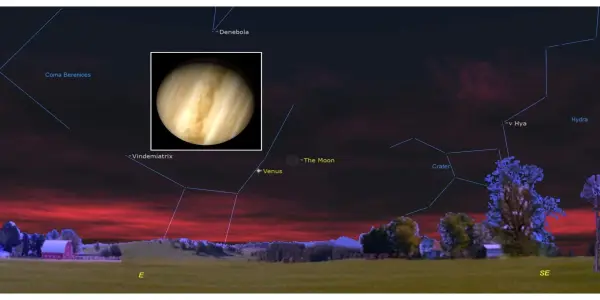
Moon and Venus Align in the Pre-Dawn Sky on...

Becoming a Backyard Meteorologist: A Guide with...

The Intersection of AI Development and Natural...
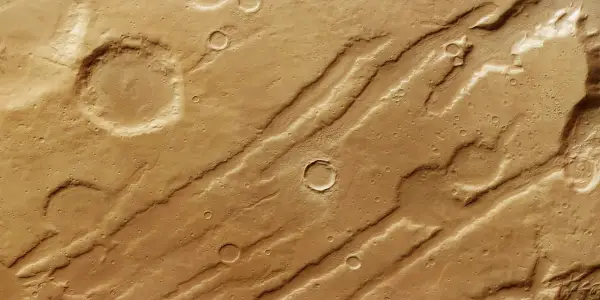
Mars Express Reveals Evidence of Ancient Ice Age...

New Ice Age Episodes of Prehistoric Planet Now...

UK Churches Embrace Heat Pumps for Sustainable...

Exploring the Nature of Intelligence: Insights...

US Government to Halt SNAP Benefits Amid Ongoing...
Sun Emits Second-Strongest Flare of 2025, Causing...

The Challenges of Sending a Supervillain into the...

Artemis II Sparks Renewed Interest in Lunar...

Exocomets Detected Around Distant Stars

Viewing Comet C/2025 R2 (SWAN) During Its October...

WhatsApp Security Vulnerability Exposes 3.5...
The Allure of Venezuela's Oil Reserves: Analyzing...
NASA's Mars Sample Return Mission Faces...

SpaceX to Launch Over 100 Satellites Today on...

Comet Lemmon Illuminates the Skies Over England

Exploring the Conclusion of 'Predator: Badlands'

Exploring Sustainable Approaches to Deep-Sea...

Understanding Artificial Reefs: A Solution for...

Study Reveals Fast Healing of Deep Earthquake...

Significant Geomagnetic Storm Unleashes Auroras...
Moss Survives 9 Months in Space and Thrives After...