Japanese Hot Springs May Illuminate the Early Origins of Life on Earth, According to Biologists
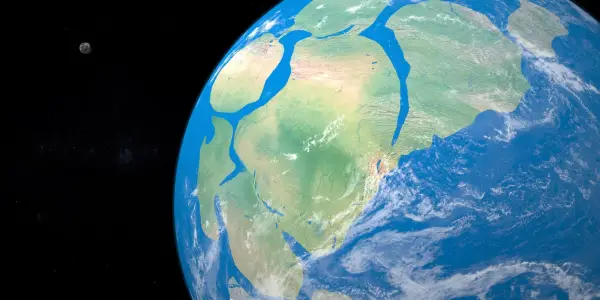
Investigations into Japan's geothermal hot springs reveal insights into early life on Earth, challenging previous theories and highlighting extreme environme...
In-depth analysis
Natural phenomena
Japan's geothermal hot springs are not only geological wonders but also potential windows into Earth's early biosphere. Recent studies suggest these extreme environments may have hosted some of the planet's first life forms, thriving in conditions devoid of oxygen. This research highlights the role of hydrothermal systems in the evolution of life, offering insights into the ancient Earth’s tumultuous past.
Impact on communities
The research into Japan's hot springs has sparked interest among local communities, potentially boosting eco-tourism and educational initiatives. This newfound focus on extremophiles brings attention to the cultural and scientific significance of these natural resources.
Scientific updates
Recent findings published in the journal Microbes and Environments have unveiled links between Japan's geothermal springs and some of Earth's earliest life forms. This research emphasizes the role of extremophiles in understanding biological evolution and offers new perspectives on the conditions that supported life in a primordial, oxygen-poor environment.
Future outlook
The implications of this research extend into astrobiology, as scientists consider the potential for similar life forms existing in extreme environments beyond Earth. Continued exploration of Japan's hot springs may yield further insights into life's resilience and adaptability, shaping future studies in both terrestrial and extraterrestrial contexts.
Did you know?
Why this matters for our planet
The discovery of links between Japan's geothermal hot springs and early life forms sheds light on Earth's evolutionary history. Understanding these extremophiles helps us appreciate how life can thrive in harsh conditions, informing conservation efforts and possibly guiding the search for life on other planets. This research underscores the vital role of extreme environments in sustaining biodiversity and offers hope for future ecological resilience.
Earth's undiscovered wonder
In Japan's geothermal hot springs, researchers have found extremophiles that can survive in conditions a million times less oxygen-rich than today. These organisms not only challenge our understanding of early life but also demonstrate the incredible adaptability of life in extreme environments, suggesting that similar conditions might exist elsewhere in the universe.
The voice of Earth
Marcus, 34, from Chicago, has always been captivated by the idea of life's origins. As a child, he spent hours exploring local ponds, fascinated by the tiny organisms thriving in murky waters. Recently, he learned about the research on Japan's hot springs and felt a profound connection to those ancient extremophiles. For Marcus, this discovery is not just about science; it’s a reminder that life is resilient and adaptable, even in the harshest conditions. It inspires him to protect the fragile ecosystems in his own backyard, knowing they too hold secrets of our planet's past.

Post-Artemis 2: What Insights Will Scientists...
New Fossil Discovery Alters Understanding of...

Daylight Saving Time: A Clash with Human and...

Catch a Glimpse of the Rare Comet Lemmon Before...
Ecuadorian Quarry Yields 112-Million-Year-Old...

Perseverance Rover Discovers Unusual Rock Near...

HEO Robotics Expands Satellite Imaging...

Impact of Star Variability on Water Retention in...

FX Confirms Season 2 Renewal for 'Alien: Earth'

Political Turmoil Deepens as Another French Prime...

UK Churches Embrace Heat Pumps for Sustainable...

Top Organic Mattresses of 2025: Birch, Avocado,...

Rising Popularity of Weight-Loss Injections...
China's Astronauts Return Safely, but Another...
Insights into Lithospheric Dynamics from Turkana...

The Impact of the Three Gorges Dam on Earth's...

VTN Architects Completes Nuoc Ui School in...
Newly Discovered Snake Species Named After Steve...
Moss Survives 9 Months in Space and Thrives After...

Apple Offers Support Following Fire in Hong Kong
Breakthrough in Microscopy Sheds Light on Ocean's...

Exploring the Nature of Intelligence: Insights...

Discovery of Submerged Land Bridge in Turkey...

New Insights from the Butterfly Nebula May...

Google Enhances Weather Forecasting with...

New Research Sheds Light on Jet Streams of Gas...

Google Launches WeatherNext 2: Enhanced AI...
New Report Warns Corals Have Reached Irreversible...

Exploring Iterative Creativity: Pelicans on...
Amazon Fires Emit Record Carbon Levels,...

Asteroid 2025 TF Passes Closely by Earth,...

Exploring the Depths of Nature: Boyd Varty's...

Rising Frustration in Aceh as Flood Relief...

Innovative Architectural Designs Inspired by...

WhatsApp Security Vulnerability Exposes 3.5...

Live Stream of Comets Lemmon and SWAN Approaching...

US Greenhouse Gas Emissions Increase Amid Cold...
October’s Night Sky Features a Supermoon and...
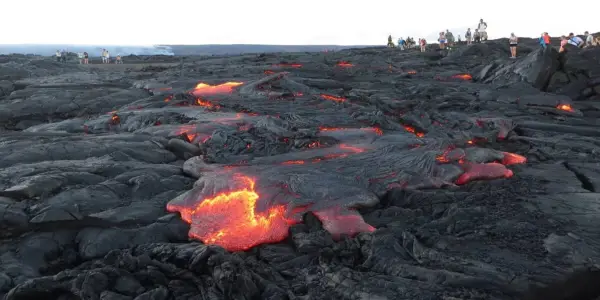
New Study Reveals Microbes Colonizing Freshly...

American Museum of Natural History Launches...