Asteroid 2025 TF Passes Closely by Earth, Captured in Stunning Imagery
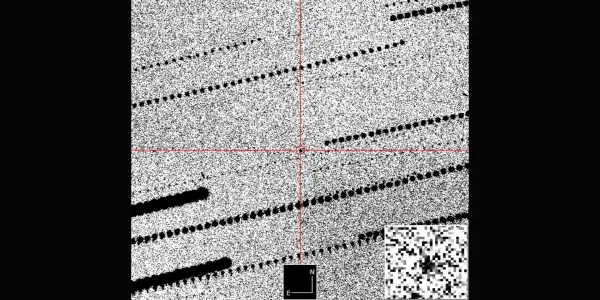
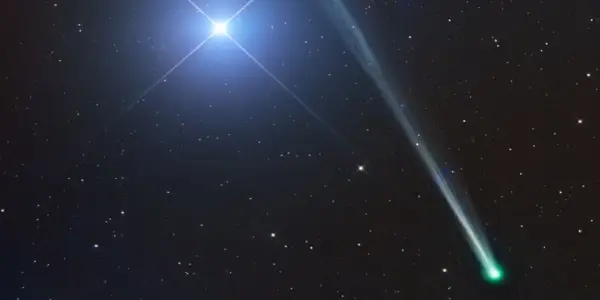
Asteroid 2025 TF, a newly identified near-Earth object, made a close approach to our planet, offering a rare photographic opportunity for astronomers from the Catalina Sky Survey and ESA's planetary defense initiatives.
In-depth analysis
Natural phenomena
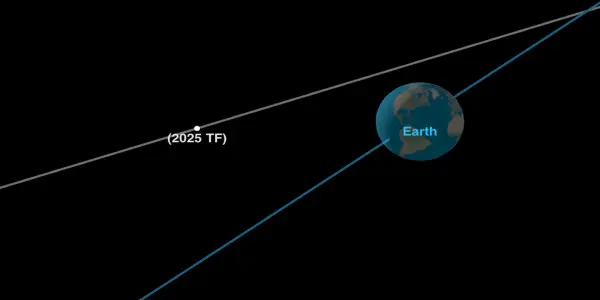
On October 1, 2025, asteroid 2025 TF, a small near-Earth object, made a close approach to Earth, passing within a distance closer than many artificial satellites. Measuring only a few feet in diameter, its trajectory was first detected by the Catalina Sky Survey, highlighting the dynamic nature of our solar system and the frequent interactions between celestial bodies.
Impact on communities
The close flyby of asteroid 2025 TF serves as a stark reminder of the potential risks posed by near-Earth objects. Communities remain vigilant, understanding that even small asteroids can have significant implications for public safety and infrastructure.
Scientific updates
Following its discovery, the European Space Agency's Planetary Defense Office coordinated additional observations of 2025 TF, utilizing telescopes at the Las Cumbres Observatory in South Australia. These efforts underscore the advancements in astronomical technology and the importance of collaboration among various organizations in tracking near-Earth objects.
Future outlook
As the field of planetary defense continues to evolve, the ongoing collaboration between observatories and agencies is crucial. Enhanced detection methods and strategies are being developed to ensure that future near-Earth objects are identified well in advance, ultimately safeguarding humanity from potential impacts.
Did you know?
Why this matters for our planet
The close encounter with asteroid 2025 TF underscores the urgent need for robust monitoring of near-Earth objects. This vigilance directly impacts everyone, as the potential threat of even small asteroids could disrupt satellite communications, affect weather patterns, or even pose risks to aviation. By prioritizing asteroid tracking, we safeguard not just our technological systems, but also the daily lives that depend on them.
Earth's undiscovered wonder
Did you know that approximately 90% of near-Earth asteroids larger than 1 kilometer have been identified, but only about 40% of those smaller than 140 meters are tracked? This gap leaves many potentially hazardous objects undetected, highlighting the importance of continued exploration and monitoring to protect our planet from unforeseen impacts.
The voice of Earth
Marcus, 34, from Chicago, recalls the day he heard about the Chelyabinsk meteor explosion while driving home. The news struck him hard; it was a reminder of how fragile life can be. That night, he and his young daughter stood outside, looking up at the stars. He explained how asteroids like 2025 TF pass near Earth, sometimes unnoticed. Their shared awe turned into a promise: to stay informed and advocate for planetary defense. For Marcus, this isn’t just science; it’s about ensuring a safe future for his daughter.
Exploring the Nature of Intelligence: Insights...

The Evolution of Real-Time AI Translation:...

Notable Aquatic Highlights from the 2025 Nature's...

Exploring the Depths of Nature: Boyd Varty's...

Turkey Declines Rare Earth Element Sales to the...
Asteroid 2025 TF Makes Close Approach to Earth,...
Exocomets Detected Around Distant Stars

New Report Warns Corals Have Reached Irreversible...
NASA's Mars Sample Return Mission Faces...

Historic Tri-National Initiative to Safeguard the...
Insights into Lithospheric Dynamics from Turkana...
New Ice Age Episodes of Prehistoric Planet Now...
Asteroid 2025 TF Passes Closely by Earth,...
Wildlife Photographer of the Year 2025:...

Protests Erupt at COP30 Climate Summit in Belém
China's Astronauts Return Safely, but Another...

Apple Offers Support Following Fire in Hong Kong
Sun Emits Second-Strongest Flare of 2025, Causing...
Measuring Earth's Rotation with Gyroscopes

Newly Discovered Snake Species Named After Steve...
Damage Assessment Underway in Northern Australia...
Jupiter and the Moon Align on October 13: Viewing...

Tennessee's Nature-Based Solutions for Health and...
SpaceX to Launch Over 100 Satellites Today on...
The Allure of Venezuela's Oil Reserves: Analyzing...
Embracing the Light: A Reflection on Our...
The Late Ordovician Mass Extinction: A Pivotal...
New Glenn Rocket Completes Successful Test...
Exploring Iterative Creativity: Pelicans on...

Reassessing the Impact of Farmed Seafood on Ocean...
Understanding the Formation of Tectonic Plates
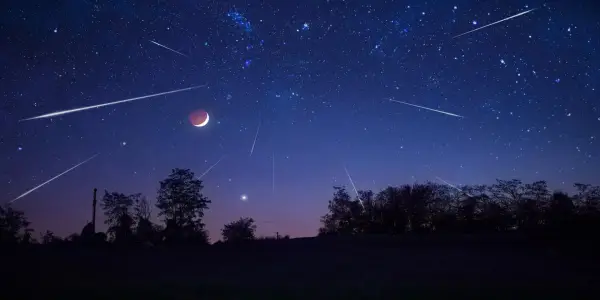
October’s Night Sky Features a Supermoon and...
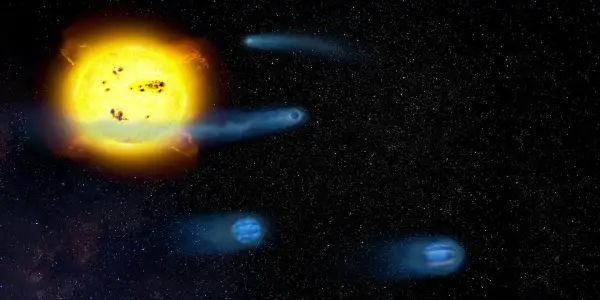
Young Star V1298 Tau Sheds Light on Planet...
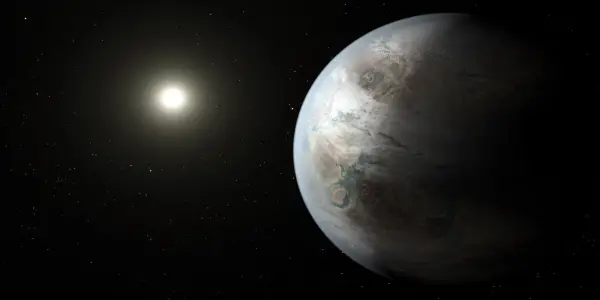
The Future of Exoplanet Discovery: Anticipating...

Google Enhances Weather Forecasting with...

Post-Artemis 2: What Insights Will Scientists...

Johnny Keefer's Ascent Raises Questions About...

The Intersection of AI Development and Natural...
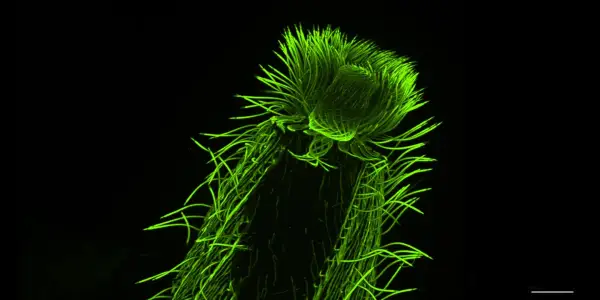
Breakthrough in Microscopy Sheds Light on Ocean's...
Viewing Comet C/2025 R2 (SWAN) During Its October...