The Evolution of Real-Time AI Translation: Bridging Language Barriers

Explore the evolution of real-time AI translation, from early experiments to advanced systems that break language barriers with seamless, instantaneous commu...
In-depth analysis
Natural phenomena
The evolution of real-time translation technologies has been marked by significant advancements, particularly with the integration of Automatic Speech Recognition (ASR), Natural Language Processing (NLP), and Neural Machine Translation (NMT). These systems have transformed the landscape of language translation, enabling instantaneous and contextually aware communication across various languages.
Impact on communities
The rise of AI-driven translation systems has empowered diverse communities by breaking down language barriers, facilitating cross-cultural communication, and enhancing accessibility to information and services.
Scientific updates
Recent developments in translation technology highlight the role of deep learning models in improving the accuracy and nuance of translations. These advancements enable systems to better interpret context, making them more effective in conveying the intended meaning of spoken language.
Future outlook
As AI translation technology continues to evolve, it is expected to enhance human capabilities in communication while addressing existing challenges, particularly in cultural nuances and biases, ensuring a more inclusive approach to language translation.
Did you know?
Why this matters for our planet
Real-time translation technology is reshaping global communication, breaking down language barriers that once limited cultural exchange and collaboration. By enabling people to connect effortlessly, it fosters understanding and cooperation on crucial issues like climate change and public health. This technology not only enhances personal interactions but also empowers communities to share knowledge, driving collective action toward a more sustainable future.
Earth's undiscovered wonder
Did you know that there are over 7,000 languages spoken around the world? Each language carries unique cultural insights and perspectives, many of which remain untranslatable. The richness of these languages offers a glimpse into the diverse ways humans interact with their environment, showcasing just how vital translation technology is for preserving and sharing these cultural heritages.
The voice of Earth
Marcus, 34, from Chicago, recalls a moment that changed his view on communication. While traveling in Japan, he struggled to order food due to the language barrier. A local woman noticed his confusion and used a translation app to help him. The simple act of sharing a meal sparked a conversation that bridged their worlds. For Marcus, that moment wasn’t just about food; it was a reminder that understanding each other can lead to unexpected friendships and shared experiences, reinforcing the importance of real-time translation technology in fostering human connection.

Post-Artemis 2: What Insights Will Scientists...
New Fossil Discovery Alters Understanding of...

Daylight Saving Time: A Clash with Human and...

Catch a Glimpse of the Rare Comet Lemmon Before...
Ecuadorian Quarry Yields 112-Million-Year-Old...
Perseverance Rover Discovers Unusual Rock Near...
HEO Robotics Expands Satellite Imaging...

Impact of Star Variability on Water Retention in...

FX Confirms Season 2 Renewal for 'Alien: Earth'

Political Turmoil Deepens as Another French Prime...

UK Churches Embrace Heat Pumps for Sustainable...

Top Organic Mattresses of 2025: Birch, Avocado,...

Rising Popularity of Weight-Loss Injections...

Embracing the Light: A Reflection on Our...
Google Launches WeatherNext 2: Enhanced AI...
The Impact of the Three Gorges Dam on Earth's...

VTN Architects Completes Nuoc Ui School in...

Newly Discovered Snake Species Named After Steve...
Moss Survives 9 Months in Space and Thrives After...

Apple Offers Support Following Fire in Hong Kong
Breakthrough in Microscopy Sheds Light on Ocean's...

Exploring the Nature of Intelligence: Insights...

Discovery of Submerged Land Bridge in Turkey...
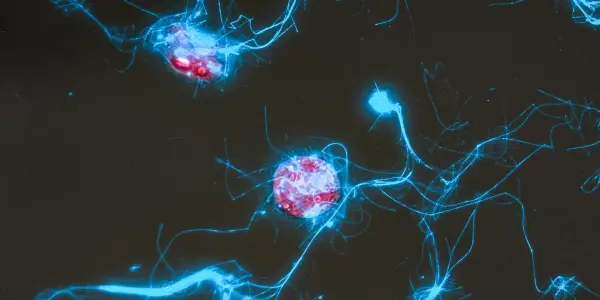
Innovative Fluorescent Probe Reveals Microbial...

Google Enhances Weather Forecasting with...
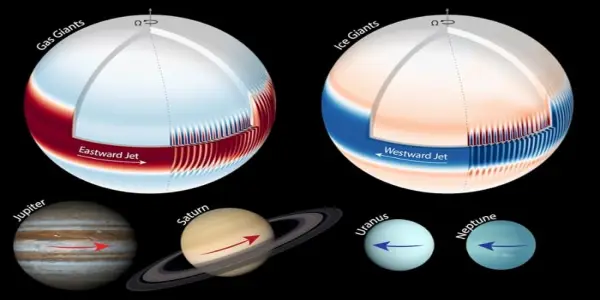
New Research Sheds Light on Jet Streams of Gas...

Sound Design Takes Center Stage in 'Alien: Earth'
New Report Warns Corals Have Reached Irreversible...

Exploring Iterative Creativity: Pelicans on...

Amazon Fires Emit Record Carbon Levels,...
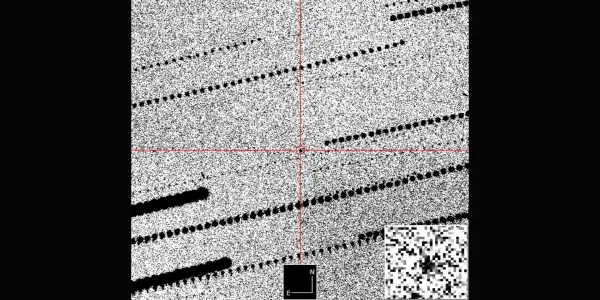
Asteroid 2025 TF Passes Closely by Earth,...

Exploring the Depths of Nature: Boyd Varty's...

Rising Frustration in Aceh as Flood Relief...
Innovative Architectural Designs Inspired by...

WhatsApp Security Vulnerability Exposes 3.5...
Live Stream of Comets Lemmon and SWAN Approaching...

US Greenhouse Gas Emissions Increase Amid Cold...

October’s Night Sky Features a Supermoon and...
New Study Reveals Microbes Colonizing Freshly...
American Museum of Natural History Launches...