Perseverance Rover Uncovers New Clue in Mars Life Search with Unique Geological Findings
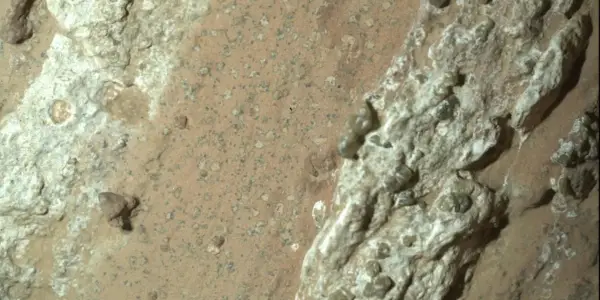
NASA's Perseverance rover has discovered intriguing geological features in Jezero Crater that may provide insights into the potential for past life on Mars.
In-depth analysis
Natural phenomena
NASA's Perseverance rover has uncovered a remarkable geological formation in Mars' Jezero Crater, specifically at Cheyava Falls. This ancient mudstone exhibits distinctive black flecks and 'leopard spots,' suggesting a complex history. The presence of organic carbon, iron, and phosphorus within this formation indicates unique redox conditions, contrasting sharply with Mars' typically oxidative environment.
Impact on communities
The discoveries made by Perseverance resonate with global scientific communities, sparking renewed interest in astrobiology. The potential for past life on Mars and its environmental conditions could inspire future generations of scientists and researchers.
Scientific updates
Recent analyses of Cheyava Falls reveal high levels of organic carbon, iron, and phosphorus, elements crucial for life. These findings challenge previous assumptions about Mars' chemistry and suggest that redox reactions may have supported microbial life in the planet's ancient past, prompting further investigation into their origins.
Future outlook
As Perseverance continues its exploration, the core samples collected from Cheyava Falls are set to return to Earth for in-depth analysis. This mission, despite its challenges, holds the promise of unlocking further insights into Mars' potential for past life and its environmental history.
Did you know?
Why this matters for our planet
The discovery of organic carbon and redox signatures on Mars could reshape our understanding of life's potential beyond Earth. These findings may lead to breakthroughs in astrobiology and inform our search for extraterrestrial life. Understanding Mars' past environmental conditions not only fuels scientific curiosity but also influences perspectives on Earth's own climate and ecological future.
Earth's undiscovered wonder
Mars is home to the largest volcano in the solar system, Olympus Mons, which stands about 13.6 miles high—nearly three times the height of Mount Everest. This massive shield volcano showcases the planet's volcanic history and raises questions about the geological processes that may have once supported life.
The voice of Earth
Marcus, 34, from Chicago, has always been fascinated by space. As a child, he would spend nights stargazing, dreaming of the mysteries of the universe. Recently, he learned about the Perseverance rover's discoveries on Mars. One evening, while watching a documentary about Cheyava Falls, he felt a deep connection to the idea that life might have existed beyond Earth. This possibility ignited his passion for science and inspired him to volunteer in local environmental programs, hoping to protect Earth's fragile ecosystems while dreaming of the day humanity might step foot on Mars.
Expert Commentary
Amazon Fires Emit Record Carbon Levels,...

Indigenous Activists Challenge COP30's Rainforest...

China's Meng Xiang Ship Aims for Record-Setting...

Michael Benson's Nanocosmos Highlights Natural...
Asteroid 2025 TF Passes Closely by Earth,...
Viewing Comet C/2025 R2 (SWAN) During Its October...

New Research Sheds Light on Jet Streams of Gas...
Jupiter and the Moon Align on October 13: Viewing...

Google Enhances Weather Forecasting with...
New Research Suggests Water Could Form During...

Innovative Architectural Designs Inspired by...
Embracing the Light: A Reflection on Our...

Trump Criticizes China's Trade Actions, Confirms...
Rising Gas Bills Despite Low Natural Gas Prices:...
New Fossil Discovery Alters Understanding of...
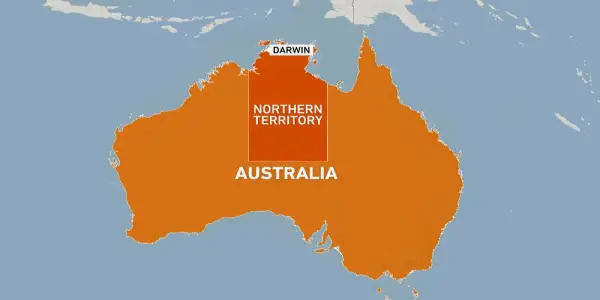
Damage Assessment Underway in Northern Australia...

American Museum of Natural History Launches...

The Evolution of Real-Time AI Translation:...
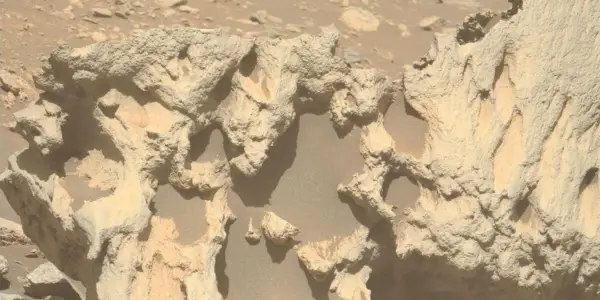
Perseverance Rover Discovers Unusual Rock Near...
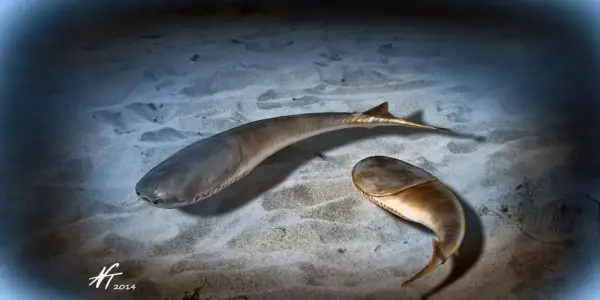
The Late Ordovician Mass Extinction: A Pivotal...

The Challenges of Sending a Supervillain into the...

Wildlife Photographer of the Year 2025:...
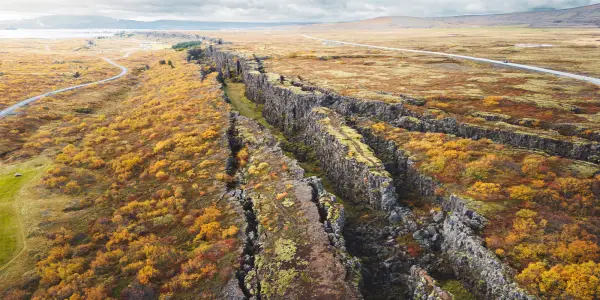
Understanding the Formation of Tectonic Plates

Impact of Star Variability on Water Retention in...

Mars Tactics: A New Strategic Frontier from...
Exocomets Detected Around Distant Stars

Ancient Crocodile Fossils Unearthed in Australia...

Daylight Saving Time: A Clash with Human and...

Google Launches WeatherNext 2: Enhanced AI...
Blue Origin's New Glenn Rocket Successfully Lands...

Apple Offers Support Following Fire in Hong Kong
Supercomputers Analyze Enceladus's Plume Dynamics

The Allure of Venezuela's Oil Reserves: Analyzing...
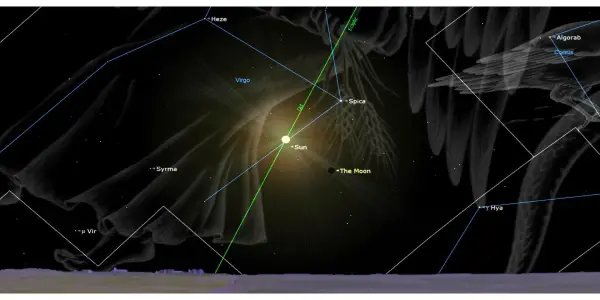
October 2025 New Moon Offers Rare Antares...
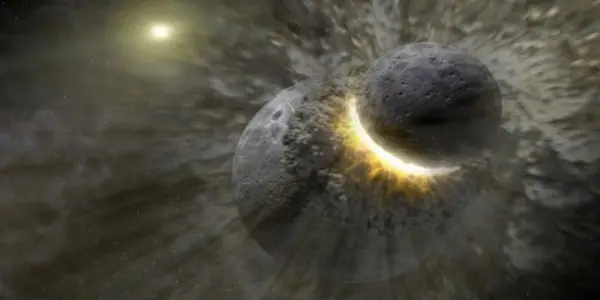
Ancient Australian Rocks Provide Insights into...
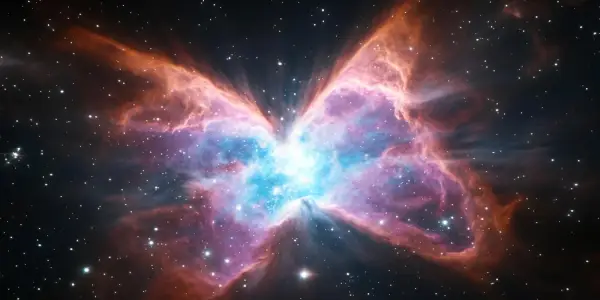
New Insights from the Butterfly Nebula May...
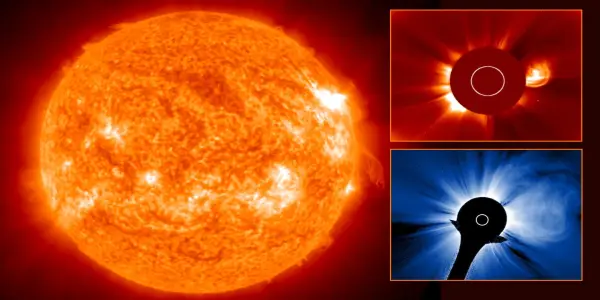
Sun Emits Second-Strongest Flare of 2025, Causing...

Turkey Declines Rare Earth Element Sales to the...

VTN Architects Completes Nuoc Ui School in...