Columbia University Study Warns of Risks in Solar Geoengineering via Stratospheric Aerosol Injection

A recent study from Columbia University highlights the complexities and potential dangers of stratospheric aerosol injection as a method to mitigate global warming, emphasizing the need for cautious consideration of its real-world implications.
In-depth analysis
Natural phenomena
The study highlights the potential of stratospheric aerosol injection (SAI) to mimic the cooling effects of volcanic eruptions, such as the significant temperature drop following the 1991 Mount Pinatubo eruption. However, the complexity of atmospheric dynamics means that the timing, location, and composition of aerosol release are critical factors that could lead to varied climatic outcomes.
Impact on communities
Communities dependent on stable weather patterns may face disruptions due to the unintended consequences of SAI. For instance, altering monsoon systems could threaten agricultural productivity and water availability, particularly in regions sensitive to climate fluctuations.
Scientific updates
The Columbia University research emphasizes the intricate challenges of implementing SAI, revealing that factors like aerosol type and injection strategy significantly affect its efficacy. Alternative materials, such as calcium carbonate, present their own technical hurdles, particularly in maintaining optimal particle size for atmospheric effectiveness.
Future outlook
As climate change pressures mount, the research underscores the need for thorough understanding and evaluation of geoengineering methods like SAI. Policymakers must navigate the associated risks carefully to ensure that solutions do not inadvertently worsen existing climate challenges.
Did you know?
Why this matters for our planet
Stratospheric aerosol injection (SAI) could offer a temporary reprieve from climate change, potentially lowering global temperatures. However, improper application might lead to severe side effects, such as altered rainfall patterns and disrupted ecosystems. For farmers in vulnerable regions, these changes could threaten crop yields and food security, highlighting the urgent need for responsible climate interventions.
Earth's undiscovered wonder
The cooling effect of volcanic eruptions like Mount Pinatubo isn't just temporary; it can persist for up to two years. This phenomenon illustrates the delicate balance of our climate system and the unintended consequences that can arise from altering atmospheric conditions, emphasizing the need for careful study in geoengineering.
The voice of Earth
Marcus, 34, from Chicago, has always marveled at the power of nature. On a trip to the Philippines, he witnessed the aftermath of Mount Pinatubo's eruption—lush landscapes turned to ash and communities struggling to adapt. This experience ignited his passion for climate science. Now, as a graduate student, he dedicates his research to understanding geoengineering like SAI. Marcus often reflects on how one event reshaped lives, and he worries about the implications of playing with Earth's systems. His heart aches for those who might face unintended consequences, fueling his resolve to find solutions that protect both the planet and its inhabitants.
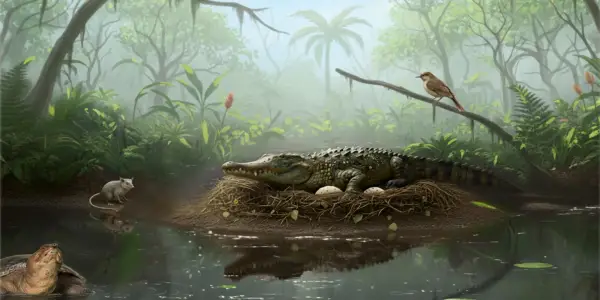
Ancient Crocodile Fossils Unearthed in Australia...
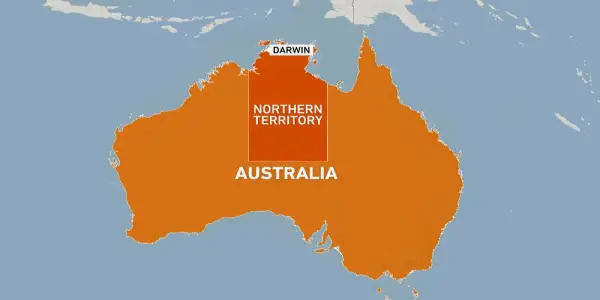
Damage Assessment Underway in Northern Australia...

Exploring the Depths of Nature: Boyd Varty's...


Rising Frustration in Aceh as Flood Relief...

WhatsApp Security Vulnerability Exposes 3.5...

New Insights from the Butterfly Nebula May...
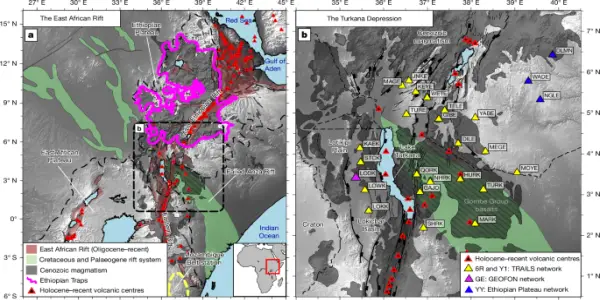
Insights into Lithospheric Dynamics from Turkana...
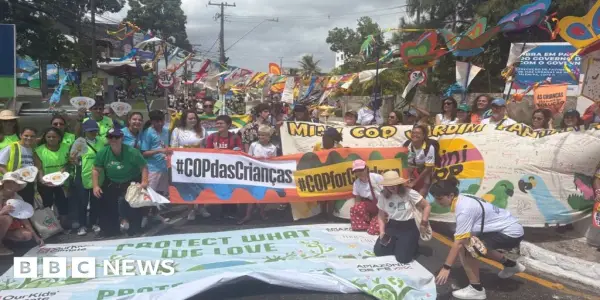
Protests Erupt at COP30 Climate Summit in Belém

The Earth’s Value: An Exploration of Its...

Notable Aquatic Highlights from the 2025 Nature's...

Natural History Museums: Essential Partners in...
Time on Mars Outpaces Earth, Unveiling Challenges...

New Ice Age Episodes of Prehistoric Planet Now...
Upcoming Venus Missions Set to Explore Earth's...
VTN Architects Completes Nuoc Ui School in...
Reassessing the Impact of Farmed Seafood on Ocean...
New Study Reveals Microbes Colonizing Freshly...

Google Launches WeatherNext 2: Enhanced AI...

Exploring Sustainable Methods for Rare Earth...

The Intersection of AI Development and Natural...
Significant Geomagnetic Storm Unleashes Auroras...
Intense Solar Activity: Sunspot Region Produces...
Understanding Artificial Reefs: A Solution for...
Aging Stars Pose Threat to Nearby Planets, New...

Innovative Gel Shows Promise in Regenerating...
China's Astronauts Return Safely, but Another...
Ancient Air Trapped in 6-Million-Year-Old...
The Impact of the Three Gorges Dam on Earth's...
Innovative Technique Utilizes Dragonberry Weed to...
Significant Solar Activity Forecasted to Cause...

Top Organic Mattresses of 2025: Birch, Avocado,...

Putin Initiates Strategic Plan for Russia's Rare...

Intaaya Retreat in Indonesia Features Innovative...
Reassessing Economic Growth: Valuing Natural...
Innovative Use of Underwater Speakers Aims to...
Breakthrough in Microscopy Sheds Light on Ocean's...

New Research Suggests Water Could Form During...
Understanding the Formation of Tectonic Plates

Apple Offers Support Following Fire in Hong Kong