Japan's Iron-Rich Hot Springs Offer Insights into Early Life on Earth
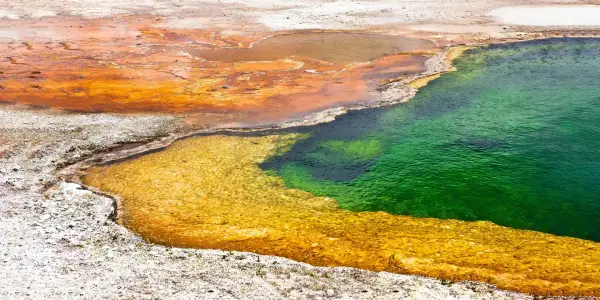
Researchers from the Earth-Life Science Institute in Tokyo are examining the unique chemistry of Japan's hot springs to understand the evolution of early microbial life during Earth's transition to an oxygen-rich atmosphere.
In-depth analysis
Natural phenomena
The study of Japan's iron-rich hot springs reveals conditions reminiscent of early Earth, characterized by low oxygen levels and abundant ferrous iron. These springs serve as modern analogs for the ancient oceans, providing insights into the environmental factors that supported primitive microbial life during the Great Oxygenation Event, a pivotal transformation in Earth's atmospheric composition.
Impact on communities
The findings highlight the resilience of microbial communities in extreme environments, showcasing their ability to thrive under low-oxygen conditions. This adaptability underscores the importance of understanding microbial ecosystems in addressing environmental challenges faced by communities today.
Scientific updates
Recent research has successfully mapped the genomes of microbes in the hot springs, revealing their metabolic functions and roles in essential biogeochemical cycles. The presence of diverse metabolic processes, including non-iron-based pathways, suggests a more complex microbial community than previously recognized, enhancing knowledge of early life on Earth.
Future outlook
The implications of this research extend to astrobiology, offering potential frameworks for identifying life on other planets. Continued exploration of similar extreme environments on Earth may yield further insights into the origins of life and the adaptability of microbial ecosystems in varying geochemical conditions.
Did you know?
Why this matters for our planet
Understanding the origins of life on Earth helps us appreciate the delicate balance of our current ecosystems. The research on iron-rich hot springs reveals how early microbial communities adapted to extreme conditions, which parallels today’s environmental challenges. This knowledge can guide modern conservation efforts, emphasizing the resilience and adaptability of life in the face of changing climates.
Earth's undiscovered wonder
Did you know that the iron-rich hot springs in Japan can mimic conditions of Earth two billion years ago? These unique ecosystems support microbes that thrive in low-oxygen environments and play crucial roles in biogeochemical cycles, offering a glimpse into the planet's ancient past and the evolution of life.
The voice of Earth
Marcus, 34, from Chicago, has always been fascinated by the natural world. On a hiking trip in Japan, he stumbled upon the iron-rich hot springs and felt an overwhelming connection to Earth’s history. Watching the bubbling waters, he imagined the primitive life forms that once thrived there. This experience deepened his appreciation for the resilience of life and sparked a passion for environmental advocacy, inspiring him to educate others about the importance of protecting our planet's fragile ecosystems.
Expert Commentary
China's Astronauts Return Safely, but Another...

SpaceX to Launch Over 100 Satellites Today on...

Sound Design Takes Center Stage in 'Alien: Earth'

Trump Criticizes China's Trade Actions, Confirms...
Ecuadorian Quarry Yields 112-Million-Year-Old...

The Challenges of Sending a Supervillain into the...

Exploring the Depths of Nature: Boyd Varty's...
New Study Reveals Microbes Colonizing Freshly...

US Greenhouse Gas Emissions Increase Amid Cold...
NASA's Mars Sample Return Mission Faces...

Protests Erupt at COP30 Climate Summit in Belém
New Fossil Discovery Alters Understanding of...
October 2025 New Moon Offers Rare Antares...
New Glenn Rocket Completes Successful Test...

Innovative Architectural Designs Inspired by...

Google Enhances Weather Forecasting with...

Understanding the Formation of Tectonic Plates

Wildlife Photographer of the Year 2025:...
Upcoming Venus Missions Set to Explore Earth's...
Young Star V1298 Tau Sheds Light on Planet...
The Future of Exoplanet Discovery: Anticipating...

Peacemaker Season 2 Approaches Climax with...
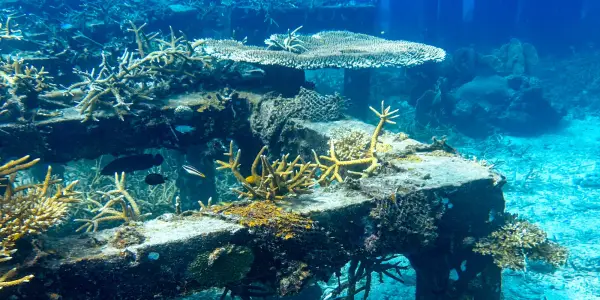
Understanding Artificial Reefs: A Solution for...

Top Organic Mattresses of 2025: Birch, Avocado,...
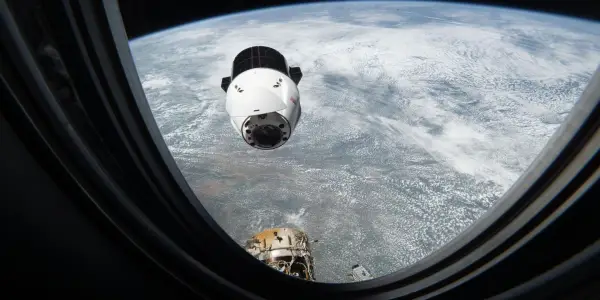
World Space Week 2025: Envisioning Life Beyond...

American Museum of Natural History Launches...
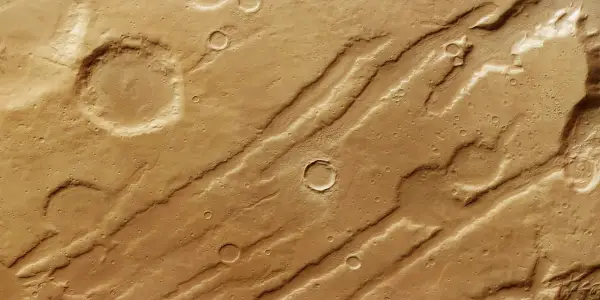
Mars Express Reveals Evidence of Ancient Ice Age...

Catch a Glimpse of the Rare Comet Lemmon Before...
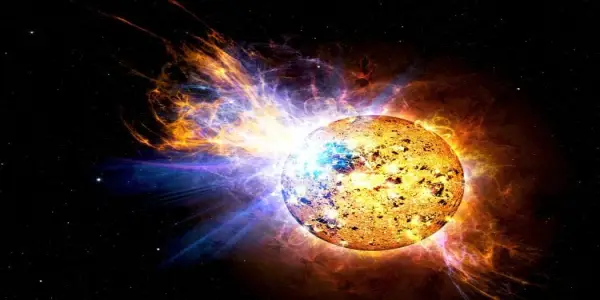
Impact of Star Variability on Water Retention in...

Google Launches WeatherNext 2: Enhanced AI...

WhatsApp Security Vulnerability Exposes 3.5...

October’s Night Sky Features a Supermoon and...
Embracing the Light: A Reflection on Our...

UK Churches Embrace Heat Pumps for Sustainable...
Damage Assessment Underway in Northern Australia...
Japanese Hot Springs May Illuminate the Early...

Asteroid 2025 TF Passes Closely by Earth,...

Supercomputers Analyze Enceladus's Plume Dynamics

New Ice Age Episodes of Prehistoric Planet Now...