Ancient Woolly Mammoth Yields Oldest RNA Discovery
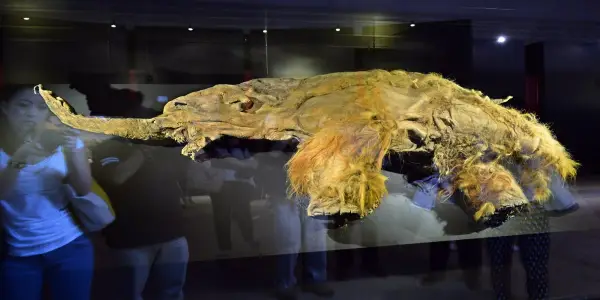
Scientists have extracted ancient RNA from a well-preserved woolly mammoth, Yuka, revealing insights into its final moments before extinction during the Ice ...
In-depth analysis
Natural phenomena
The discovery of Yuka, a remarkably preserved woolly mammoth, highlights the unique conditions of Siberian permafrost, which has preserved biological materials for thousands of years. This environment allows researchers to extract RNA, offering insights into the mammoth's biology and the climatic conditions that contributed to its extinction during the last Ice Age.
Impact on communities
Local Yukaghir hunters have played a crucial role in uncovering Yuka's remains, fostering a deeper connection between indigenous communities and scientific research. This collaboration enhances cultural heritage and promotes awareness of ancient ecosystems.
Scientific updates
Recent advancements in paleogenomics have been underscored by the successful extraction of RNA from Yuka, revealing active genes related to muscle and energy metabolism. This breakthrough challenges previous limitations in RNA studies and opens new avenues for investigating ancient organisms, including potential pathogens preserved in permafrost.
Future outlook
The implications of Yuka's RNA analysis extend beyond mammoths, potentially influencing studies of other extinct species and ancient viruses. As methodologies improve, future research may uncover vital information about evolutionary adaptations and ecological interactions in prehistoric environments.
Did you know?
Why this matters for our planet
Understanding the RNA of the woolly mammoth offers vital insights into past ecosystems, showing how ancient species adapted to climate changes. This knowledge can inform conservation strategies today, helping us protect endangered species facing similar pressures. By learning from Yuka's story, we can better navigate our planet’s future, ensuring biodiversity thrives amidst ongoing environmental shifts.
Earth's undiscovered wonder
RNA from Yuka is not just the oldest known from a mammoth; it reveals genes linked to muscle function and energy use that haven’t been seen in living relatives. This highlights how much we still don’t know about the biology of extinct species and their interactions with the environment during the Ice Age.
The voice of Earth
Marcus, 34, from Chicago, grew up captivated by stories of mammoths. As a child, he spent countless weekends in the natural history museum, marveling at their fossils. Recently, he learned about Yuka's RNA discovery and felt a profound connection. 'It’s like hearing the echoes of the past,' he says. Understanding how Yuka lived and died has inspired him to advocate for wildlife conservation. Marcus now believes that if we can unlock the secrets of the past, we might save the future for species at risk today.

Exploring the Depths of Nature: Boyd Varty's...

VTN Architects Completes Nuoc Ui School in...

The Download: Exploring Planetary Discovery and...

Peacemaker Season 2 Approaches Climax with...
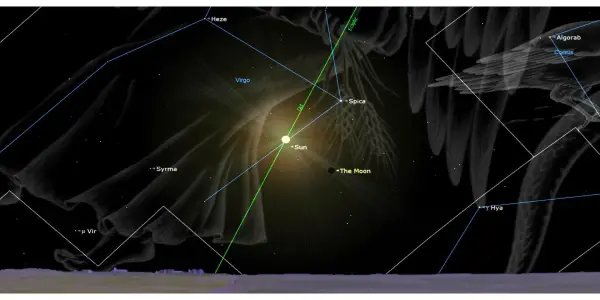
October 2025 New Moon Offers Rare Antares...

Ancient Australian Rocks Provide Insights into...

Supercomputers Analyze Enceladus's Plume Dynamics
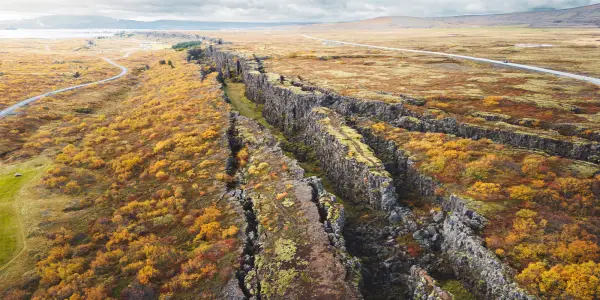
Understanding the Formation of Tectonic Plates

Mars Tactics: A New Strategic Frontier from...
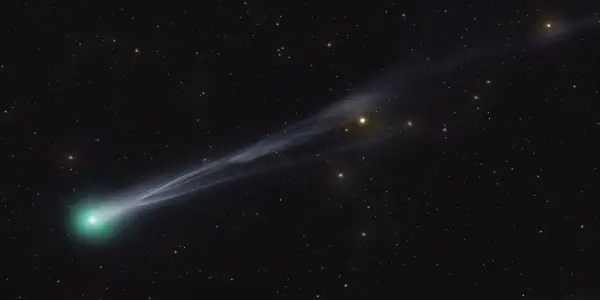
Catch a Glimpse of the Rare Comet Lemmon Before...

Political Turmoil Deepens as Another French Prime...
Breakthrough in Microscopy Sheds Light on Ocean's...

US Greenhouse Gas Emissions Increase Amid Cold...

Rammed Earth Homes of 2026 Showcase Sustainable...

The Future of Exoplanet Discovery: Anticipating...
The Late Ordovician Mass Extinction: A Pivotal...

Google Enhances Weather Forecasting with...

Google Launches WeatherNext 2: Enhanced AI...

Rising Frustration in Aceh as Flood Relief...
Perseverance Rover Discovers Unusual Rock Near...

Sound Design Takes Center Stage in 'Alien: Earth'
Perseverance Rover Uncovers New Clue in Mars Life...

The Impact of Disasters on Relationships: A...

Notable Aquatic Highlights from the 2025 Nature's...
Rising Gas Bills Despite Low Natural Gas Prices:...

The Challenges of Sending a Supervillain into the...

Exploring the Nature of Intelligence: Insights...
China's Astronauts Return Safely, but Another...

The Intersection of AI Development and Natural...

Researchers Collaborate with Michelin Chefs to...

Protests Erupt at COP30 Climate Summit in Belém

The Allure of Venezuela's Oil Reserves: Analyzing...
Becoming a Backyard Meteorologist: A Guide with...
Understanding Artificial Reefs: A Solution for...
Amazon Fires Emit Record Carbon Levels,...
New Study Reveals Microbes Colonizing Freshly...

Impact of Star Variability on Water Retention in...

30 Unusual Bat Species That Challenge...
NASA's Mars Sample Return Mission Faces...

New Research Sheds Light on Jet Streams of Gas...