Rising Fat Reserves in Svalbard's Polar Bears: A Study Amidst Climate Change
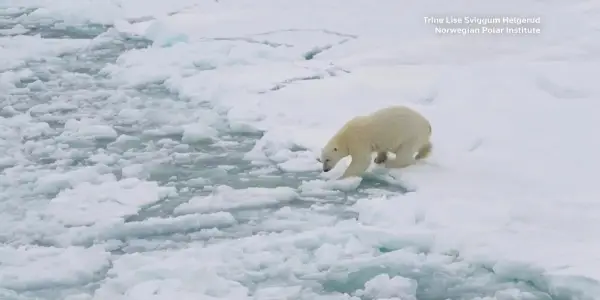
Research reveals polar bears in Svalbard are gaining fat reserves despite shrinking ice habitats, raising concerns about future survival amid climate change ...
In-depth analysis
Current environmental changes
Recent findings from the Norwegian Polar Institute reveal that polar bears in Svalbard are accumulating more body fat, despite a significant increase in ice-free days. This unusual trend highlights the ongoing effects of climate change, as the bears' habitat continues to shrink, posing potential long-term risks to their survival and hunting practices.
Impact on society
The situation of polar bears serves as a critical indicator of Arctic ecosystem health, impacting local communities that rely on these environments for their livelihoods and cultural practices.
Policy implications
The research underscores the urgent need for adaptive conservation strategies that address the effects of climate change on polar bears. Policymakers must prioritize habitat protection and sustainable practices to mitigate further risks to these vulnerable species and their ecosystems.
Future outlook
While polar bears currently exhibit signs of adaptation, the ongoing loss of sea ice raises concerns about their long-term survival. Continued monitoring and proactive conservation efforts will be essential to ensure these iconic animals can thrive in an increasingly unstable environment.
Did you know?
Why this concerns all of us
The fate of polar bears in Svalbard is not just an Arctic issue; it reflects the broader health of our planet. As these bears adapt to changing conditions, their struggles signal what could lie ahead for wildlife and ecosystems globally. The loss of sea ice impacts not only polar bears but also affects fishing industries, local communities, and even global weather patterns, reminding us that our interconnected world relies on healthy ecosystems.
Nature's hidden secret
Polar bears have been known to scavenge walrus carcasses, which is an unusual behavior for these apex predators. While they primarily hunt seals, the increasing walrus population provides an opportunistic food source that bears are starting to exploit, showcasing their adaptability in the face of changing environments.
The person whose life climate changed
Meet Lena, a wildlife photographer based in Longyearbyen, Svalbard. For over a decade, she has captured the beauty of polar bears in their natural habitat. Recently, she noticed a troubling shift; the bears she once photographed on stable ice are now often seen scavenging for food on land. This change has not only altered her work but also her perspective on climate change. Lena feels a deep emotional connection to these bears, understanding that their survival is intertwined with her own community's future. As she advocates for conservation, Lena reflects on how these majestic creatures inspire her to fight for a sustainable world, reminding her and others that every small action counts.
Expert Commentary
As a climate scientist, this shows how adaptable wildlife can be in the short term. But rising fat levels shouldn’t reassure us—these are temporary coping strategies, not solutions, and shrinking sea ice will eventually catch up with polar bears.
Grand Egyptian Museum Unveiled as Torre dei Conti...

Teachers' Unions Take a Stand Against Climate...
Puffins Make Historic Return to Isle of Muck...
Hurricane Melissa Marks a Historic Category 5...

OpenAI Introduces 'Group Chats' Feature in...

The Crucible: A Test of Nerves in Snooker's Most...
Cate Blanchett Joins Festive Guest Editors for...

The Consensus Model at UN Climate Talks: An...
Pacific Nations Set Ambitious Goal for 100%...

KDE Plans to Phase Out X11 Support in Upcoming...
New Report Highlights Risks of Marine Carbon...

Rerouted Shipping Offers Unique Insights into...
The Economic Risks of Abruptly Halting Solar...

Exploring Climate Change Through Sound: The Role...
Projected Plastic Waste to Exceed 280 Million...

Massive Leak Exposes 183 Million Email Passwords:...

Zaha Hadid Architects' Yidan Center Reaches...
U.S. Fish and Wildlife Service's Plan to Cull...
Recent Study Indicates Accelerated Pace of Global...
Deforestation-Free Beef: A Sustainable Approach...
Comprehensive 3D Map Showcases Every Building on...
Japanese Trade Group, Including Studio Ghibli,...

Heat Flow on Saturn’s Moon Enceladus Suggests...
Antarctic Robot Explorer Surfaces After Eight...

Spring Studio Integrates Biomaterials for...

AI Unveils Hidden Lion Roar, Revolutionizing...
Global Rice Yields Plummet Due to Extreme...

Exploring the Depths of Human Connection: Ursula...
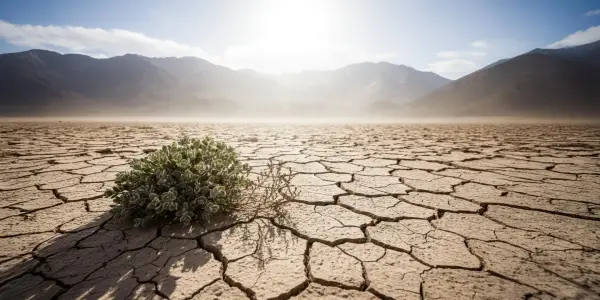
The Resilient Desert Flora Thrives in Extreme...

Foldable Phones on the Rise: 2026 Expected to...
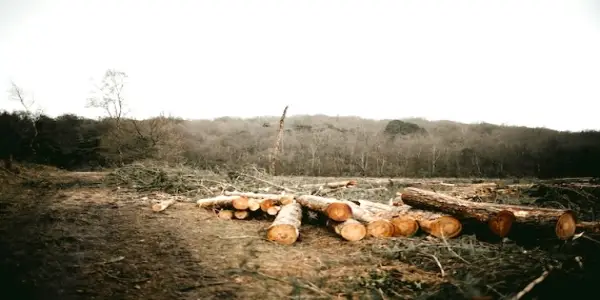
The Overlooked Link Between Climate Change and...
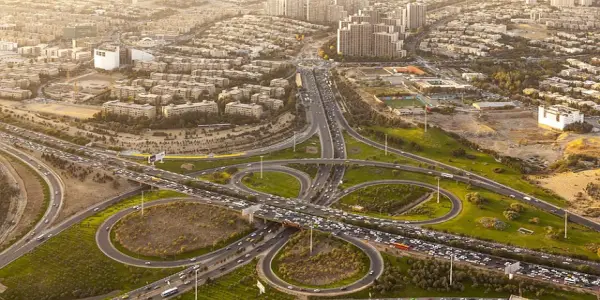
Tehran on the Brink: Water Crisis Highlights...
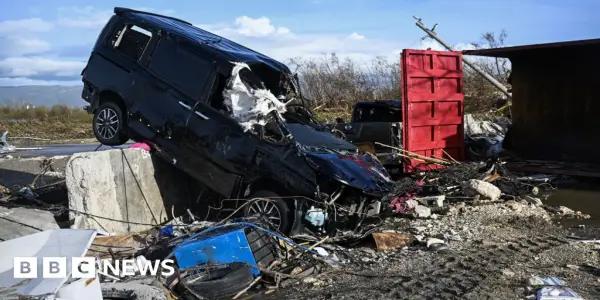
Hurricane Melissa's Death Toll Reaches 28 in...
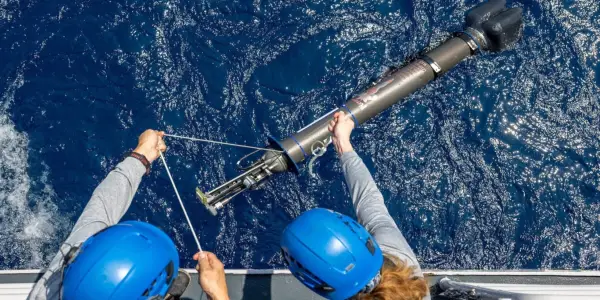
Revolutionizing Ocean Research: Robotic Floats...
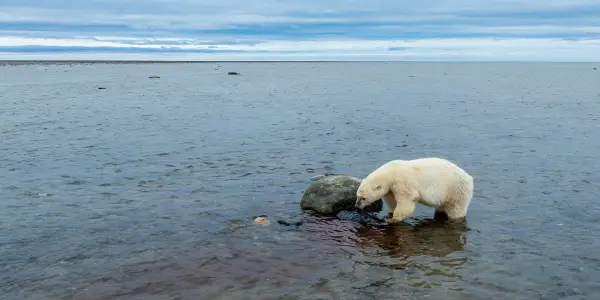
Reevaluating the Polar Bear Narrative Amid...

Residential ZIP Codes Linked to Increased...

Decline in Indian Passport Ranking Despite...

The Emerging Debate on Geoengineering: A Call for...

Guide to Setting Up and Customizing Gemini Raise...
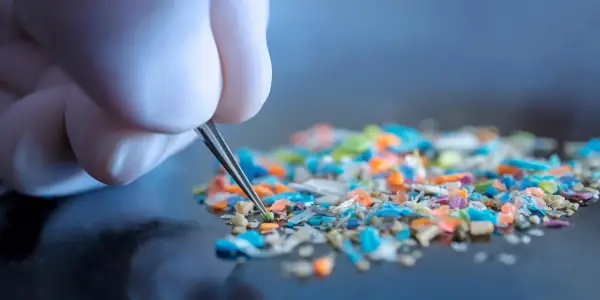
Lab Gloves May Complicate Microplastics Research,...