Rerouted Shipping Offers Unique Insights into Climate Effects of Low-Sulfur Marine Fuels
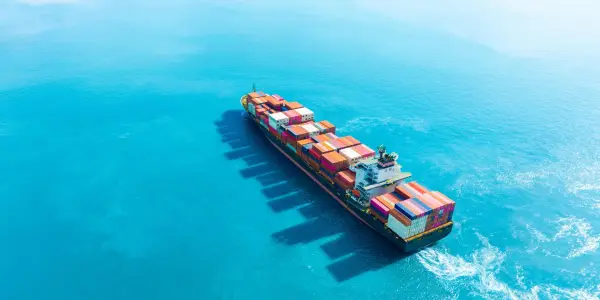
Unexpected changes in shipping routes due to conflicts in the Red Sea have provided scientists with a rare opportunity to study the impact of low-sulfur marine fuels on cloud formation, revealing significant implications for climate models and public health.
In-depth analysis
Current environmental changes
Recent shifts in maritime shipping routes due to militia conflicts have provided researchers an unexpected opportunity to study the effects of low-sulfur marine fuels on cloud formation. This alteration has highlighted how reduced sulfur emissions impact atmospheric conditions, particularly in the context of cloud droplet formation and climate dynamics.
Impact on society
The reduction of sulfur emissions from shipping is linked to significant public health benefits, including fewer respiratory and cardiovascular diseases. These improvements underscore the importance of cleaner maritime practices for community well-being.
Policy implications
The findings from recent studies emphasize the need for robust environmental policies that balance air quality improvements with climate considerations. Policymakers can leverage this research to refine regulations and enhance climate models, ensuring better public health outcomes.
Future outlook
As research continues to reveal the complex interactions between shipping emissions and climate, future regulations may evolve to further prioritize cleaner fuels. This could lead to enhanced climate resilience and improved air quality on a global scale.
Did you know?
Why this concerns all of us
The recent disruptions in the Red Sea shipping routes affect more than just maritime logistics; they impact global climate. As ships reroute, scientists are gaining critical insights into how cleaner marine fuels can alter cloud formation. This research could lead to improved climate models, influencing policies that affect air quality and public health, ultimately shaping the environment we live in daily.
Nature's hidden secret
Did you know that sulfate aerosols from ship emissions can reduce cloud droplet formation by about 20%? This surprising fact illustrates how closely our shipping practices are linked to atmospheric conditions, influencing weather patterns and climate change in ways that are just beginning to be understood.
The person whose life climate changed
Meet Samuel, a fisherman from Cape Town whose livelihood relies on the health of local waters. The recent surge in maritime traffic due to shipping route changes has affected fish populations, leading to fluctuating catches. Samuel has noticed this impact firsthand, feeling the strain as he navigates a challenging market. As scientists explore the effects of lower-sulfur fuels on cloud formation, Samuel hopes their findings will lead to cleaner air and healthier oceans, ensuring his community can thrive while combating climate change.
Breakthrough Research Unveils Thermal Convection...

Doom's Programming Error Sparks Renewed Interest...
UN Treaty for High Seas Conservation Now Effective
The Deadly Impact of Plastic Ingestion on Marine...
The Overlooked Link Between Climate Change and...
Revolutionizing Ocean Research: Robotic Floats...

Pipeline Dispute Challenges Canada's Energy...

Scientists Warn Earth Has Reached Critical...

Japanese Trade Group, Including Studio Ghibli,...
Bill Gates's Climate Remarks Spark Controversy...

Key Insights on the Future of Electricity Demand...

Guide to Setting Up and Customizing Gemini Raise...

Foldable Phones on the Rise: 2026 Expected to...

Exploring Climate Change Through Sound: The Role...

AI's Water Consumption May Soon Match That of 10...

Introducing the Clamshell Writer Deck: A Focused...

Ancient Tools Illuminate Early Human Innovation...

Revitalizing Wellness at Fairmont Chateau Lake...

Revisiting India's Air Quality Standards Amid...

Urgent Action Needed as Scientists Warn of...
Lawsuit Alleges Tesla Wrongfully Terminated Deaf...

Impact of Global Warming on Reptile Sex Ratios...
Projected Plastic Waste to Exceed 280 Million...

U.S. Fish and Wildlife Service's Plan to Cull...

The Crucible: A Test of Nerves in Snooker's Most...

UK Prepares for Cold Snap with Snow Forecasts...

Pacific Nations Set Ambitious Goal for 100%...

Global Rice Yields Plummet Due to Extreme...
Unexpected Shift in North Pacific Storm Track...

Exploring the Depths of Human Connection: Ursula...

The Shift in Climate Discourse: Navigating the...

OpenAI Introduces 'Group Chats' Feature in...
Ancient Ice Sample Reveals 6 Million-Year-Old Air...
Emerging Ocean Hotspots Heighten Risk of...

Zaha Hadid Architects' Yidan Center Reaches...

Palantir's CEO Alex Karp Defends Company’s...

Key Insights Ahead of COP30 Summit in Brazil: A...
Unprecedented Strength of Hurricane Melissa Marks...

Meta Enhances Smart Glasses with Garmin and...
Deforestation-Free Beef: A Sustainable Approach...