Addressing the Evidence Gap in Biodiversity Conservation Efforts

With over one million species facing extinction, the need for evidence-based interventions in biodiversity conservation has never been more pressing. Experts advocate for a shift towards data-driven approaches to enhance conservation effectiveness.
In-depth analysis
Current environmental changes
The planet is experiencing unprecedented biodiversity loss, with extinction rates soaring to 100 to 1,000 times higher than historical norms. This crisis has prompted urgent discussions among scientists and conservationists, particularly at the recent IPBES conference, highlighting the need for scientifically grounded conservation strategies to address these alarming trends.
Impact on society
The rapid decline in biodiversity poses significant risks to human societies, threatening food security, health, and economic stability. Communities that rely on natural ecosystems for their livelihoods are particularly vulnerable to these changes.
Policy implications
The disconnect between scientific research and practical conservation efforts necessitates a reevaluation of current policies. Effective legislation must be informed by robust evidence and integrate local ecological knowledge to enhance conservation outcomes and address socio-economic barriers.
Future outlook
Innovative initiatives, such as the Conservation Evidence project, aim to improve access to scientific insights for practitioners. However, the challenge remains to ensure that these strategies are inclusive and relevant across diverse ecological and socio-economic contexts.
Did you know?
Why this concerns all of us
The rapid loss of biodiversity affects everyone, from the food we eat to the air we breathe. Pollinators like bees are disappearing, threatening crops and natural ecosystems. This isn't just an environmental issue; it impacts food security and health. Each extinction reduces the resilience of our planet, making it crucial for communities to advocate for science-backed conservation efforts that can protect local ecosystems.
Nature's hidden secret
Did you know that tropical rainforests, often called the lungs of the Earth, are home to over half of the world’s plant and animal species despite covering only about 6% of the planet's land surface? This rich biodiversity plays a critical role in regulating the climate and supporting human livelihoods.
The person whose life climate changed
Meet Aisha Patel, a farmer from a small village in India. For years, Aisha relied on traditional farming methods, but as local species began to vanish, her crop yields plummeted. Faced with food insecurity, she turned to local conservation groups for guidance. With their help, Aisha learned to integrate sustainable practices that restore local biodiversity. This shift not only revitalized her farm but also strengthened her community's resilience. Aisha now champions biodiversity, sharing her story to inspire others to recognize that restoring nature is intertwined with our survival and well-being.
Expert Commentary
As a conservation scientist, the crisis isn’t just biodiversity loss—it’s the gap between knowledge and action. Evidence-based tools and AI can help, but they won’t matter unless governments address incentives, enforcement, and local realities while acting fast, not waiting for perfect data.
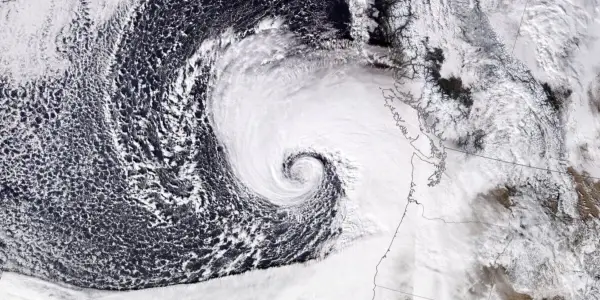
Unexpected Shift in North Pacific Storm Track...

Decline in Indian Passport Ranking Despite...
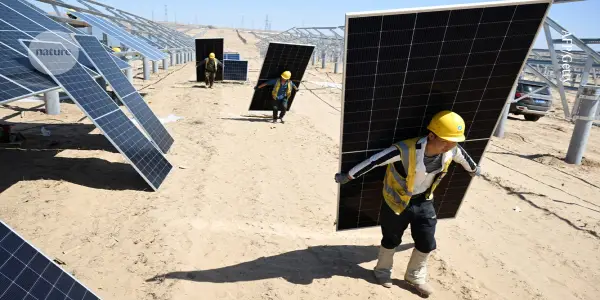
Global Climate Action in the Absence of the US: A...

KDE Plans to Phase Out X11 Support in Upcoming...
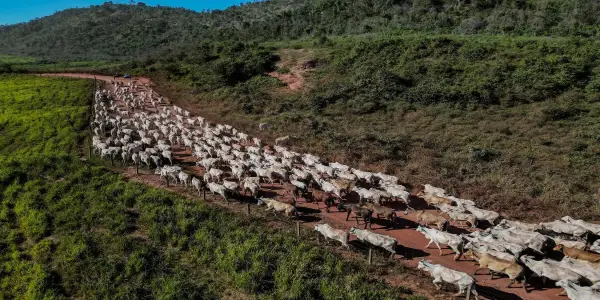
Deforestation-Free Beef: A Sustainable Approach...
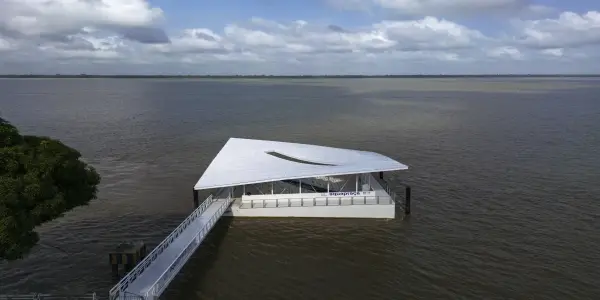
Key Outcomes from COP30: Innovations in...
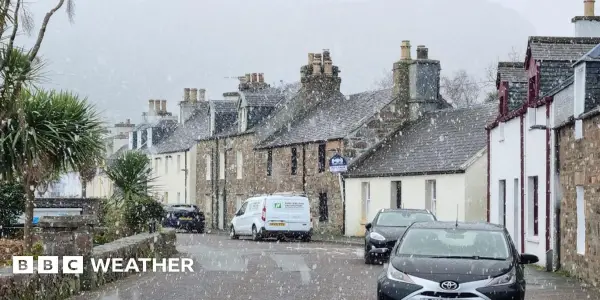
UK Prepares for Cold Snap with Snow Forecasts...
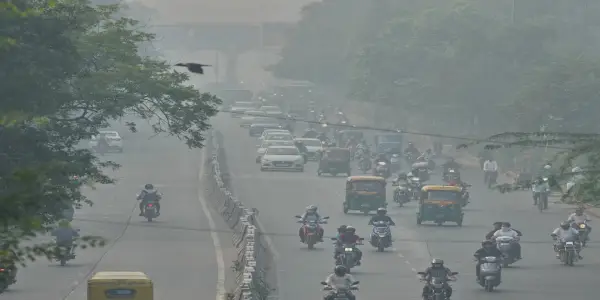
New Delhi Suffers Severe Air Pollution Following...

U.S. Fish and Wildlife Service's Plan to Cull...

OpenAI Introduces 'Group Chats' Feature in...

Cate Blanchett Joins Festive Guest Editors for...

Emerging Superfoods from the Amazon: Beyond Açaí

Revolutionizing Camping: Solar-Powered Tent...

Tragic Cargo Plane Crash in Kentucky Claims Lives...

Bill Gates's Climate Remarks Spark Controversy...
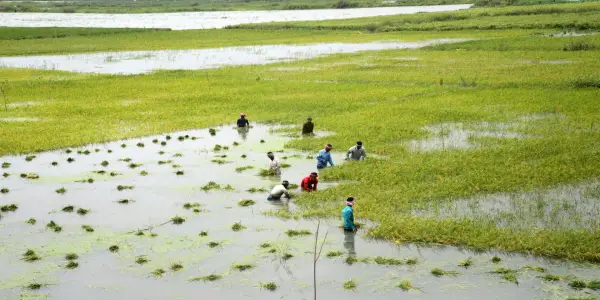
Global Rice Yields Plummet Due to Extreme...

South Africa's G20 Agenda: Addressing Debt,...

New Mapping of Antarctica's Subglacial Landscape...

The Impact of US Withdrawal on Global Climate...
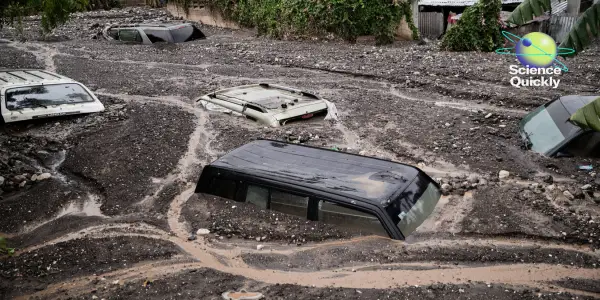
Unprecedented Strength of Hurricane Melissa Marks...

Massive Leak Exposes 183 Million Email Passwords:...

Grand Egyptian Museum Unveiled as Torre dei Conti...

Urgent Action Needed as Scientists Warn of...
Emerging Ocean Hotspots Heighten Risk of...
Advocating for Forest Sovereignty: A Call for...

Teachers' Unions Take a Stand Against Climate...

Research Uncovers Factors Behind Weight Gain...

The Economic Risks of Abruptly Halting Solar...

Dezeen Jobs Launches Initiative to Celebrate...
India's Climate Adaptation Fund Faces Budget Cuts...
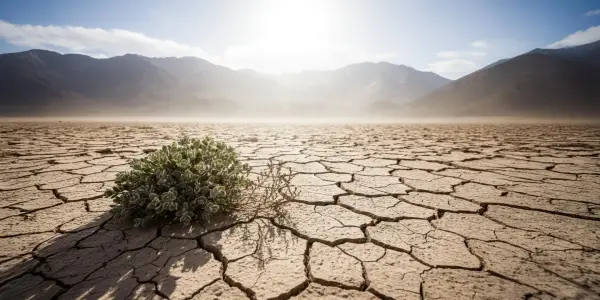
The Resilient Desert Flora Thrives in Extreme...

Residential ZIP Codes Linked to Increased...
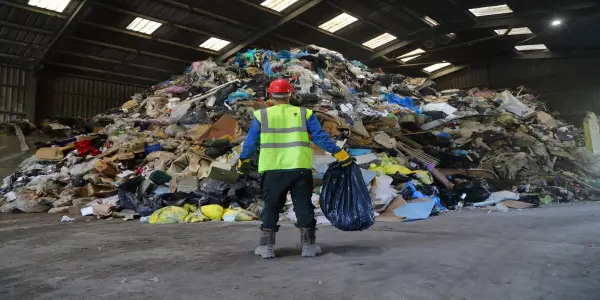
Projected Plastic Waste to Exceed 280 Million...
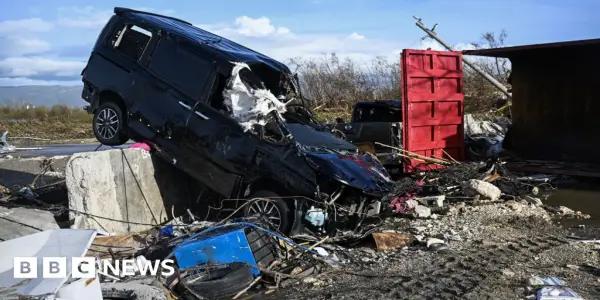
Hurricane Melissa's Death Toll Reaches 28 in...

Lawsuit Alleges Tesla Wrongfully Terminated Deaf...
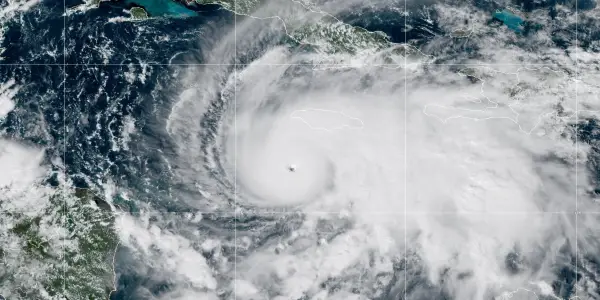
The Rapid Intensification of Hurricane Melissa...

Doom's Programming Error Sparks Renewed Interest...

Impact of Global Warming on Reptile Sex Ratios...

The Shift in Climate Discourse: Navigating the...