Amazon Workers Advocate for Stricter Regulations on Data Centers at Seattle Council Meeting
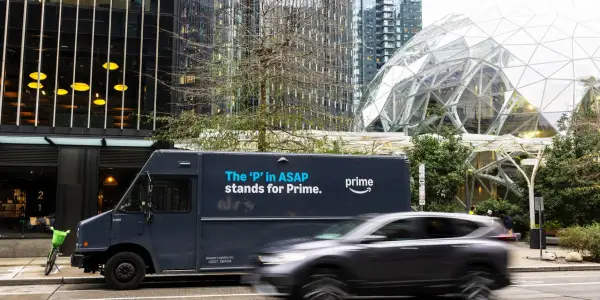
Amazon employees urge Seattle officials to implement regulations on data centers, citing environmental and safety concerns amid growing AI demands.
In-depth analysis
Current environmental changes
The rapid expansion of data centers, particularly by major tech companies, is raising significant environmental concerns. Activists argue that unchecked growth threatens local ecosystems, exacerbates resource strain, and contributes to pollution. The call for stricter regulations reflects a growing awareness of the ecological impact associated with the construction and operation of these facilities.
Impact on society
Local communities are increasingly mobilizing against data center developments, fearing adverse effects on resources and public health. The expansion of these facilities could lead to heightened competition for water and energy supplies, impacting residents' quality of life.
Policy implications
The Seattle City Council is considering a one-year moratorium on new data center permits to establish necessary regulations. This pause highlights the need for local governments to develop frameworks that ensure transparency and environmental responsibility in tech infrastructure projects.
Future outlook
As discussions continue, the balance between technological growth and community welfare will be pivotal. The outcomes may shape future policies governing data center operations, influencing how tech companies engage with local ecosystems and resources.
Did you know?
Why this concerns all of us
The expansion of data centers affects everyday life more than many realize. These facilities consume vast amounts of water and energy, which can lead to increased utility costs for residents. As tech giants race to meet AI demands, local communities may face resource shortages, impacting everything from household budgets to environmental health. Stricter regulations could ensure that growth aligns with sustainable practices, safeguarding our shared resources.
Nature's hidden secret
Data centers can use up to 100 times more water than traditional office buildings, primarily for cooling systems. This staggering statistic highlights the hidden environmental costs of our digital lifestyles, emphasizing the need for transparency and regulation in the tech industry.
The person whose life climate changed
Meet Julia Martinez, a mother of two living in Seattle’s Green Lake neighborhood. Julia's family relies heavily on local water resources for their home and community garden. As the city debates new data center regulations, Julia has become an outspoken advocate for environmental responsibility. She worries about the potential strain on water supplies, especially with her children’s future in mind. Julia’s activism is fueled by the fear that unchecked tech expansion could jeopardize not just her garden but the well-being of her entire community. Her story resonates with many who feel the direct impact of large corporations prioritizing profit over sustainable practices. Julia believes that by standing up now, she can help shape a future where technology and nature coexist harmoniously.
Expert Commentary

New Delhi Suffers Severe Air Pollution Following...
The Limitations of Carbon Credits in Combating...
Rerouted Shipping Offers Unique Insights into...
Intensified Competition Threatens African...

Golden Hare from Iconic Treasure Hunt Fetches...

Addressing API Overload: A Developer's Confession

Can New Alcohol Warning Labels Shift Ireland's...

Sex Workers Launch 'Anti-OnlyFans' Platform to...
California's Proposition 50: Voters Set to...

Key Insights Ahead of COP30 Summit in Brazil: A...
Navigating Climate Distress Amid Brain Injury...

Dezeen Jobs Launches Initiative to Celebrate...
Understanding Climate Change: The Need for...

New Report Highlights Risks of Marine Carbon...

Massive Leak Exposes 183 Million Email Passwords:...

The Bugatti Veyron's Unique Oil Change: A Costly...

Protests and Food Safety Concerns Challenge...

KDE Plans to Phase Out X11 Support in Upcoming...

Top Five Books Exploring the Intersection of...
Tragic Cargo Plane Crash in Kentucky Claims Lives...

Revisiting India's Air Quality Standards Amid...

Puffins Make Historic Return to Isle of Muck...

The Impact of US Withdrawal on Global Climate...

Portalgraph Revolutionizes 3D Visualization with...

Revitalizing Wellness at Fairmont Chateau Lake...
Deforestation-Free Beef: A Sustainable Approach...
UN Warns 2025 Expected to Rank Among Hottest...
The Rapid Intensification of Hurricane Melissa...

Revival of Wild Turkeys: A Conservation Triumph...
Global Rice Yields Plummet Due to Extreme...
New Report Indicates Coral Reefs May Have Reached...
Pacific Nations Set Ambitious Goal for 100%...

U.S. Fish and Wildlife Service's Plan to Cull...

Exploring Climate Change Through Sound: The Role...

Japanese Trade Group, Including Studio Ghibli,...

Joe Swash Opens Up About the Challenges of Being...
Residential ZIP Codes Linked to Increased...
UN Treaty for High Seas Conservation Now Effective

AI Unveils Hidden Lion Roar, Revolutionizing...
Trump's Environmental Policies Could Lead to 1.3...