Local Initiatives Address Bias in Large Language Models
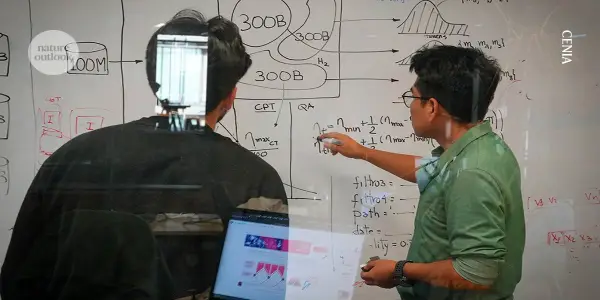
As AI technology continues to evolve, efforts are underway to ensure that models cater to the diverse linguistic and cultural needs of non-English speakers across the globe.
In-depth analysis
Current environmental changes
Artificial intelligence development is experiencing significant environmental shifts, particularly in its linguistic inclusivity. Despite advancements in large language models, a pronounced bias towards English-speaking populations persists, which undermines the representation of diverse cultures and languages. This imbalance raises critical questions about the sustainability and ethical implications of AI technologies in a global context.
Impact on society
The societal ramifications of biased AI systems are profound, particularly for speakers of minority languages. These disparities limit access to technology, perpetuating inequalities and hindering the potential for diverse cultural expressions in the digital landscape.
Policy implications
The ongoing biases in AI highlight the urgent need for policymakers to prioritize inclusivity in technology development. Implementing regulations that mandate diverse and representative datasets can help ensure that AI systems serve a broader range of cultural contexts, fostering equitable access and participation.
Future outlook
Looking ahead, the focus on creating culturally relevant AI tools is likely to intensify. As global initiatives gain momentum, there is potential for significant advancements in language representation, ultimately leading to more inclusive and effective AI systems that resonate with diverse user communities.
Did you know?
Why this concerns all of us
The bias in AI technology isn't just a technical issue; it impacts daily interactions for millions. Imagine a customer service chatbot that fails to understand your regional dialect or cultural references, leaving users frustrated and alienated. For many, these AI systems are the first point of contact with technology. When they misinterpret or misrepresent, it reinforces feelings of exclusion, making it essential for AI to reflect diverse voices to foster inclusivity.
Nature's hidden secret
Over 7,000 languages are spoken globally, yet more than 40% are at risk of extinction. This alarming statistic highlights the urgency of preserving linguistic diversity, which is crucial not only for cultural heritage but also for the development of AI that accurately represents all users.
The person whose life climate changed
Meet Luciana Morales, a 28-year-old indigenous activist from Easter Island, whose native Rapa Nui language is facing extinction. Growing up, Luciana often found herself translating traditional stories into Spanish for her peers, highlighting the cultural divide aggravated by technology. Determined to bridge this gap, she began collaborating with AI researchers to develop a dataset that includes Rapa Nui narratives. Luciana’s work reflects the struggles of countless marginalized voices striving for recognition in a digital world. Her journey emphasizes the importance of integrating diverse languages into AI systems, as it not only preserves cultural identity but also empowers communities by making technology more accessible and relatable.

Hurricane Melissa's Death Toll Reaches 28 in...

Urgent Action Needed as Scientists Warn of...

The Consensus Model at UN Climate Talks: An...

Revisiting India's Air Quality Standards Amid...

Navigating Climate Distress Amid Brain Injury...

New Report Highlights Risks of Marine Carbon...

Hurricanes and Droughts: A Dangerous Connection...

Meta Enhances Smart Glasses with Garmin and...

Advocating for Forest Sovereignty: A Call for...

Massive Leak Exposes 183 Million Email Passwords:...

India's Climate Adaptation Fund Faces Budget Cuts...

Guide to Setting Up and Customizing Gemini Raise...

Council of Europe Chief Signals Openness to...

KDE Plans to Phase Out X11 Support in Upcoming...

Key Insights on the Future of Electricity Demand...

The Impact of US Withdrawal on Global Climate...

Key Outcomes from COP30: Innovations in...

Palantir's CEO Alex Karp Defends Company’s...

Japanese Trade Group, Including Studio Ghibli,...
Comprehensive 3D Map Showcases Every Building on...

Can New Alcohol Warning Labels Shift Ireland's...

Chronic Diseases in Animals Mirror Human Health...

UK Prepares for Cold Snap with Snow Forecasts...

Hurricane Melissa Marks a Historic Category 5...

OpenAI Introduces 'Group Chats' Feature in...

AI Unveils Hidden Lion Roar, Revolutionizing...

Decline in Indian Passport Ranking Despite...

Grand Egyptian Museum Unveiled as Torre dei Conti...

Lab Gloves May Complicate Microplastics Research,...

The Resilient Desert Flora Thrives in Extreme...

Study Reveals Airborne Microplastics May...

Key Insights Ahead of COP30 Summit in Brazil: A...

Emerging Superfoods from the Amazon: Beyond Açaí

Ancient Tools Illuminate Early Human Innovation...

Ancient Ice Sample Reveals 6 Million-Year-Old Air...

South Africa's G20 Agenda: Addressing Debt,...

New Lancet Report Reveals Alarming Impact of...
Residential ZIP Codes Linked to Increased...

£9 Billion Government Initiative to Revamp...

Unexpected Shift in North Pacific Storm Track...