Chronic Diseases in Animals Mirror Human Health Crisis

A growing number of animals worldwide are suffering from chronic diseases traditionally associated with humans, including cancer, diabetes, and obesity, prompting calls for enhanced research and monitoring.
In-depth analysis
Current environmental changes
Recent studies reveal a concerning rise in chronic diseases among various animal species, including pets and marine life. Factors like climate change, habitat destruction, and pollution are exacerbating these health issues, with environmental pollutants linked to increased cancer rates and lifestyle changes contributing to obesity and diabetes in domestic animals.
Impact on society
The rise of chronic diseases in animals poses significant challenges for public health, as it mirrors similar trends in human populations. This interconnectedness emphasizes the need for societal awareness and action to address the underlying environmental factors affecting both humans and animals.
Policy implications
The findings call for a reevaluation of current health policies to include animal health as a critical component of public health strategies. Policymakers must prioritize environmental regulations and promote research into the links between ecological health and the rising incidence of chronic diseases in animals.
Future outlook
If current trends continue, the prevalence of chronic diseases in animals may escalate, prompting a potential public health crisis. A proactive approach that incorporates environmental stewardship and improved health monitoring systems will be essential to mitigate these risks and protect both animal and human health.
Did you know?
Why this concerns all of us
The rise of chronic diseases in animals impacts us all, highlighting a shared health crisis. As pets and livestock suffer from conditions like obesity and diabetes, the repercussions ripple through our lives. Increased veterinary costs, food supply concerns, and potential zoonotic disease risks can strain families and communities. This trend forces a reconsideration of our lifestyles and the environments we create, influencing both human and animal well-being.
Nature's hidden secret
Surprisingly, nearly 60% of domestic cats are now classified as overweight, a statistic that parallels rising obesity rates in humans. This alarming trend suggests that our pets are mirroring our lifestyle choices, revealing an intimate connection between human habits and animal health.
The person whose life climate changed
Meet Laura, a devoted pet owner in a bustling city. Her cat, Mr. Whiskers, was diagnosed with diabetes last year, a condition Laura never anticipated. As she navigated the complexities of insulin shots and dietary adjustments, she realized the environmental factors at play. Rising temperatures and pollution in her urban neighborhood contributed to Mr. Whiskers’ health decline. This experience ignited a passion in Laura to advocate for cleaner air and green spaces, not just for her cat’s sake but for the community's overall health. Her journey illustrates the profound link between animal welfare and environmental stewardship, emphasizing that caring for our pets also means caring for the planet.

Lawsuit Alleges Tesla Wrongfully Terminated Deaf...

Research Uncovers Factors Behind Weight Gain...

Navigating Climate Distress Amid Brain Injury...
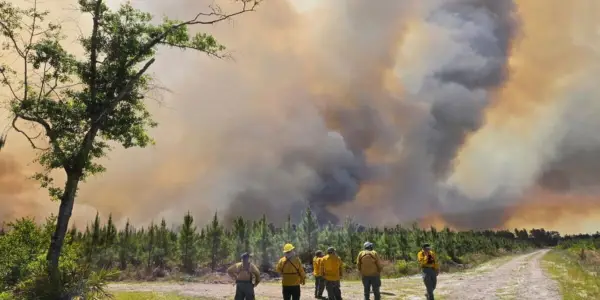
Hurricanes and Droughts: A Dangerous Connection...

Study Reveals Airborne Microplastics May...

Tehran on the Brink: Water Crisis Highlights...

Exploring the Depths of Human Connection: Ursula...

Perrier-Jouët and Design Miami Launch Inaugural...

Heat Flow on Saturn’s Moon Enceladus Suggests...

KDE Plans to Phase Out X11 Support in Upcoming...
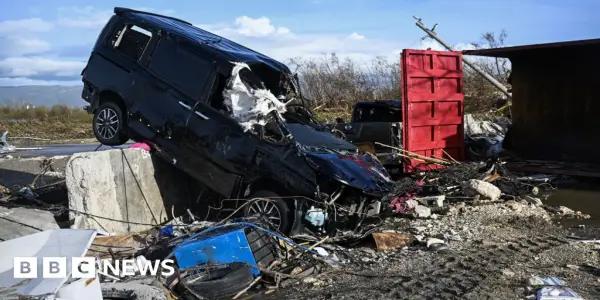
Hurricane Melissa's Death Toll Reaches 28 in...

Guide to Setting Up and Customizing Gemini Raise...

The Economic Risks of Abruptly Halting Solar...

The Crucible: A Test of Nerves in Snooker's Most...
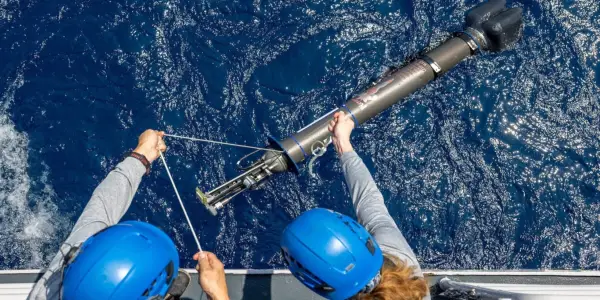
Revolutionizing Ocean Research: Robotic Floats...

Key Insights Ahead of COP30 Summit in Brazil: A...

Antarctic Robot Explorer Surfaces After Eight...

Cate Blanchett Joins Festive Guest Editors for...

AI's Water Consumption May Soon Match That of 10...

India's Climate Adaptation Fund Faces Budget Cuts...
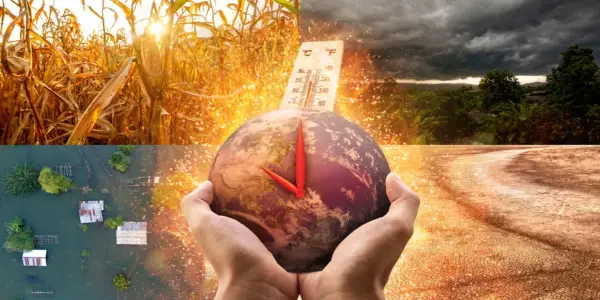
Understanding the Urgency of Climate Change: Key...

The Shift in Climate Discourse: Navigating the...

Teachers' Unions Take a Stand Against Climate...
Hurricane Melissa Marks a Historic Category 5...

Can New Alcohol Warning Labels Shift Ireland's...
Comprehensive 3D Map Showcases Every Building on...

UK Prepares for Cold Snap with Snow Forecasts...

New Report Highlights Risks of Marine Carbon...

Rerouted Shipping Offers Unique Insights into...

Emerging Superfoods from the Amazon: Beyond Açaí

Top Five Books Exploring the Intersection of...

Bill Gates's Climate Remarks Spark Controversy...

Foldable Phones on the Rise: 2026 Expected to...

Pipeline Dispute Challenges Canada's Energy...

Pacific Nations Set Ambitious Goal for 100%...

Revisiting India's Air Quality Standards Amid...
Reevaluating the Polar Bear Narrative Amid...
Breakthrough Research Unveils Thermal Convection...

Global Rice Yields Plummet Due to Extreme...