AI's Water Consumption May Soon Match That of 10 Million Americans

A new study reveals that AI's water consumption could rival that of 10 million Americans, raising urgent concerns about its environmental impact and sustaina...
In-depth analysis
Current environmental changes
The rapid growth of artificial intelligence technology is significantly altering environmental dynamics, particularly through its substantial carbon and water footprints. Estimates indicate that AI operations could emit between 100 million to 200 million metric tons of CO2 annually, while consuming up to 1.2 trillion gallons of water each year, highlighting a critical ecological challenge.
Impact on society
The expansion of AI infrastructure is disproportionately affecting low-income communities, where rising electricity costs and increased air pollution from energy generation are most pronounced, exacerbating existing social inequalities.
Policy implications
The findings from recent studies necessitate urgent policy interventions aimed at regulating the environmental impacts of AI technology. Strategies such as optimizing facility locations, investing in renewable energy, and improving cooling efficiency must be prioritized to promote sustainable practices within the industry.
Future outlook
As AI technology continues to advance, the emphasis on sustainable practices will become increasingly vital. The industry faces a pivotal moment where proactive measures can mitigate environmental impacts and ensure responsible growth amidst escalating climate concerns.
Did you know?
Why this concerns all of us
The environmental impact of AI technology is not just a niche issue; it resonates with everyone. As AI becomes integral to sectors like healthcare and transportation, the carbon and water footprints of these systems could influence energy prices and water availability in local communities. Rising emissions can worsen air quality and contribute to climate change, ultimately affecting health and quality of life for all.
Nature's hidden secret
Surprisingly, the water consumption required for AI operations could rival that of entire cities. The estimated annual water usage of 700 billion to 1.2 trillion gallons is equivalent to the total water usage of 6 to 10 million households, highlighting how digital advancements can strain vital natural resources.
The person whose life climate changed
Meet Rosa Martinez, a single mother living in a low-income neighborhood near a growing tech hub. As AI companies expand, her community faces rising electricity costs and worsening air quality. Rosa noticed that her children often suffer from respiratory issues, a development she attributes to increased local pollution. Struggling to afford higher bills, she feels trapped between the benefits of technology and the environmental toll it takes on her family’s health. Determined to advocate for change, Rosa has joined local meetings, voicing the need for sustainable practices that protect both her community and the planet.

Introducing the Clamshell Writer Deck: A Focused...

Decline in Indian Passport Ranking Despite...

Fisher Makes Historic Return to Ohio Forests...

Can New Alcohol Warning Labels Shift Ireland's...
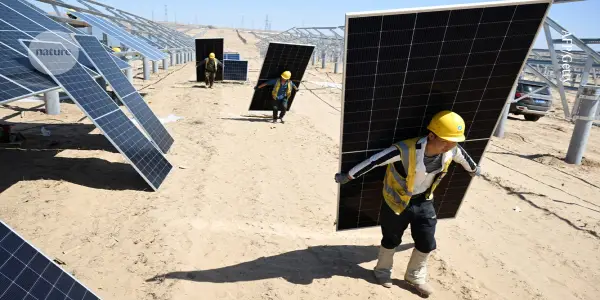
Global Climate Action in the Absence of the US: A...
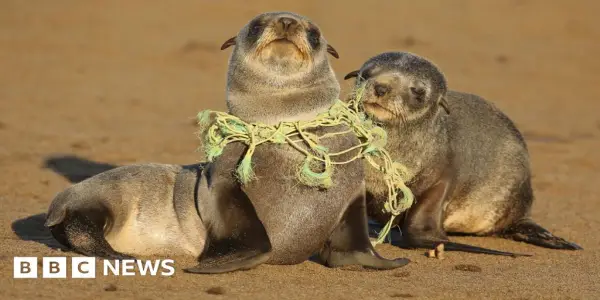
The Deadly Impact of Plastic Ingestion on Marine...

Marvel Gears Up for a Major Avengers Event:...

Heat Flow on Saturn’s Moon Enceladus Suggests...

Dezeen Jobs Launches Initiative to Celebrate...

Advocating for Forest Sovereignty: A Call for...

Exploring the Depths of Human Connection: Ursula...

UK Prepares for Cold Snap with Snow Forecasts...

Japanese Trade Group, Including Studio Ghibli,...

Guide to Setting Up and Customizing Gemini Raise...
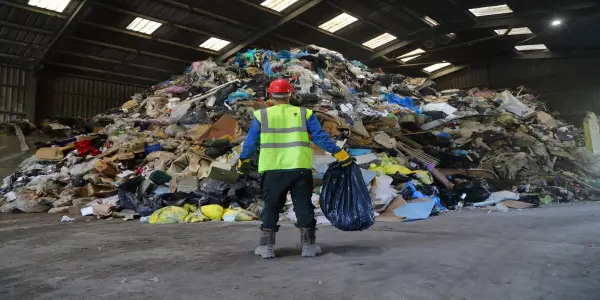
Projected Plastic Waste to Exceed 280 Million...

Pacific Nations Set Ambitious Goal for 100%...

Key Insights on the Future of Electricity Demand...

Key Insights Ahead of COP30 Summit in Brazil: A...

£9 Billion Government Initiative to Revamp...

Exploring Climate Change Through Sound: The Role...

Council of Europe Chief Signals Openness to...

Chronic Diseases in Animals Mirror Human Health...

The Shift in Climate Discourse: Navigating the...

Foldable Phones on the Rise: 2026 Expected to...
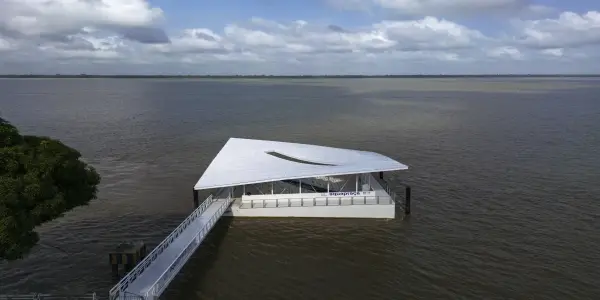
Key Outcomes from COP30: Innovations in...
Breakthrough Research Unveils Thermal Convection...

Tehran on the Brink: Water Crisis Highlights...

The Emerging Debate on Geoengineering: A Call for...
The Rapid Intensification of Hurricane Melissa...

Bill Gates's Climate Remarks Spark Controversy...

Puffins Make Historic Return to Isle of Muck...

The Overlooked Link Between Climate Change and...

Massive Leak Exposes 183 Million Email Passwords:...
Revolutionizing Ocean Research: Robotic Floats...

Cate Blanchett Joins Festive Guest Editors for...
UN Treaty for High Seas Conservation Now Effective
The Resilient Desert Flora Thrives in Extreme...

Pipeline Dispute Challenges Canada's Energy...


Top Five Books Exploring the Intersection of...