The Threat to Heritage Sites in a Warming Climate and Strategies for Preservation
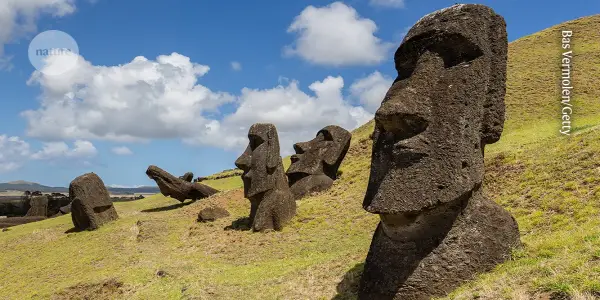
Historic sites worldwide face increased dangers from climate change, necessitating urgent new approaches to their preservation and adaptation.
In-depth analysis
Current environmental changes
Cultural heritage sites are increasingly threatened by climate-related phenomena, such as rising sea levels and severe weather events. Recent flooding in Venice and wildfires in California highlight the urgent risks these sites face, emphasizing the need for innovative protective measures to safeguard their integrity against the backdrop of escalating environmental instability.
Impact on society
The threats to cultural heritage sites resonate deeply within communities, affecting local identities and historical narratives. As these landmarks face deterioration, the emotional connection people have to their heritage may be jeopardized, leading to a collective sense of loss.
Policy implications
The challenges posed by climate change necessitate a reevaluation of heritage preservation policies. Policymakers must prioritize adaptive strategies that not only protect physical sites but also consider the broader cultural significance of these landmarks in the face of environmental change.
Future outlook
As climate change continues to accelerate, the future of cultural heritage sites remains uncertain. A proactive approach that embraces adaptive reuse and redefines heritage will be essential to ensure these sites remain relevant and protected for future generations.
Did you know?
Why this concerns all of us
Cultural heritage sites are not just relics; they’re vital parts of our collective identity and history. As climate change threatens their existence, we risk losing connections to our past that shape our present. For instance, local communities often rely on these sites for tourism, education, and cultural pride. Protecting them is essential for preserving stories that resonate through generations.
Nature's hidden secret
Did you know that the Moai statues on Easter Island, while iconic, are at risk due to rising sea levels and coastal erosion? These monumental figures, representing the cultural heritage of the Rapa people, are vulnerable to the very climate changes that threaten other global landmarks, highlighting the interconnectedness of our world.
The person whose life climate changed
Maria Santos, a resident of Venice, has witnessed her city transform under the weight of climate change. Once a vibrant hub for tourists and artists, the frequent flooding has forced her family to evacuate multiple times. For Maria, the rising waters not only threaten her home but also the rich cultural tapestry that defines Venice. Each flood feels like a personal loss, eroding the memories tied to her beloved city. Maria channels her grief into activism, rallying her community to advocate for sustainable solutions, emphasizing that protecting heritage isn’t just about conservation—it's about preserving the soul of a city for future generations.
Expert Commentary
Lawsuit Alleges Tesla Wrongfully Terminated Deaf...

Research Uncovers Factors Behind Weight Gain...
Navigating Climate Distress Amid Brain Injury...
Hurricanes and Droughts: A Dangerous Connection...

Study Reveals Airborne Microplastics May...
Tehran on the Brink: Water Crisis Highlights...
Exploring the Depths of Human Connection: Ursula...

Perrier-Jouët and Design Miami Launch Inaugural...
Heat Flow on Saturn’s Moon Enceladus Suggests...

KDE Plans to Phase Out X11 Support in Upcoming...
Hurricane Melissa's Death Toll Reaches 28 in...

Guide to Setting Up and Customizing Gemini Raise...
The Economic Risks of Abruptly Halting Solar...

The Crucible: A Test of Nerves in Snooker's Most...
Revolutionizing Ocean Research: Robotic Floats...
Key Insights Ahead of COP30 Summit in Brazil: A...
Antarctic Robot Explorer Surfaces After Eight...

Cate Blanchett Joins Festive Guest Editors for...

AI's Water Consumption May Soon Match That of 10...
India's Climate Adaptation Fund Faces Budget Cuts...
Understanding the Urgency of Climate Change: Key...
The Shift in Climate Discourse: Navigating the...

Teachers' Unions Take a Stand Against Climate...
Hurricane Melissa Marks a Historic Category 5...

Can New Alcohol Warning Labels Shift Ireland's...
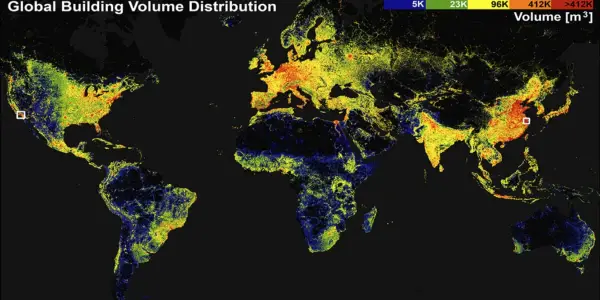
Comprehensive 3D Map Showcases Every Building on...
UK Prepares for Cold Snap with Snow Forecasts...
New Report Highlights Risks of Marine Carbon...
Rerouted Shipping Offers Unique Insights into...

Emerging Superfoods from the Amazon: Beyond Açaí

Top Five Books Exploring the Intersection of...

Bill Gates's Climate Remarks Spark Controversy...

Foldable Phones on the Rise: 2026 Expected to...
Pipeline Dispute Challenges Canada's Energy...
Pacific Nations Set Ambitious Goal for 100%...
Revisiting India's Air Quality Standards Amid...
Reevaluating the Polar Bear Narrative Amid...
Breakthrough Research Unveils Thermal Convection...
Global Rice Yields Plummet Due to Extreme...