Annual Crop Losses Linked to Global Warming Exceed $20 Billion
Climate change is significantly impacting global agriculture, with losses projected to escalate dramatically unless decisive action is taken.
In-depth analysis
Current environmental changes
Recent findings indicate that global warming is causing significant disruptions in agricultural productivity, particularly impacting key crops like maize, wheat, and soybeans. Rising temperatures and worsening drought conditions are projected to escalate these disruptions, potentially leading to annual losses exceeding $80 billion by 2100 if mitigation efforts remain insufficient.
Impact on society
The repercussions of declining crop yields are profound, particularly in developing nations where agriculture is a primary livelihood. Increased food insecurity could trigger social unrest and forced migration as communities struggle to adapt to the changing climate.
Policy implications
The study highlights the urgent need for policymakers to implement adaptive strategies in agriculture, such as crop diversification and improved irrigation. Proactive measures are essential to mitigate the extensive economic and social consequences of climate change on food security.
Future outlook
Looking ahead, projections suggest that without significant intervention, crop yields may decline by nearly 30% by 2100. This decline poses severe risks to global food supply chains, highlighting the critical need for immediate action.
Did you know?
Why this concerns all of us
The impacts of global warming on crop yields are not just statistics; they translate directly to food prices and availability. As staple crops like maize, wheat, and soybeans suffer from rising temperatures and drought, grocery bills could spike, affecting families' budgets worldwide. The most vulnerable populations, particularly in low-income nations, could face food insecurity, leading to greater social instability and migration pressures that could reach far beyond their borders.
Nature's hidden secret
Soil health is intricately tied to climate resilience, yet many don’t realize that healthy soil can store up to three times more carbon than forests. This surprising fact underscores the importance of sustainable farming practices in combating climate change while maintaining crop productivity.
The person whose life climate changed
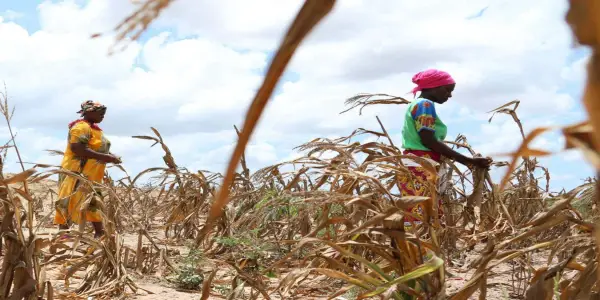
Maria Ndlovu, a 34-year-old farmer in Zambia, has witnessed the harsh realities of climate change firsthand. Once thriving, her maize fields now yield barely enough to feed her family due to prolonged droughts. With her children relying on her, Maria has turned to crop diversification, cultivating drought-resistant varieties. Despite the struggle, she remains resilient, hopeful that a shift in farming practices can restore balance to her community’s food supply. Her story highlights the urgent need for support and resources for farmers facing similar challenges.
Expert Commentary

AI Unveils Hidden Lion Roar, Revolutionizing...
UN Treaty for High Seas Conservation Now Effective
Emerging Ocean Hotspots Heighten Risk of...
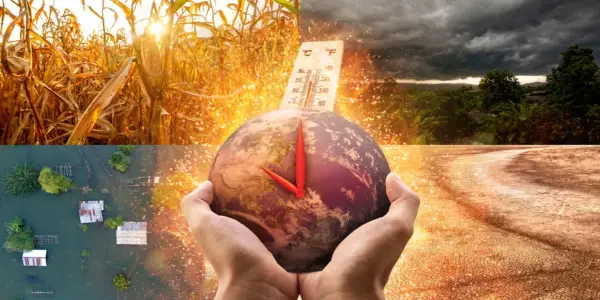
Understanding the Urgency of Climate Change: Key...

Recent Study Indicates Accelerated Pace of Global...
Tragic Cargo Plane Crash in Kentucky Claims Lives...

Bill Gates's Climate Remarks Spark Controversy...

UK Prepares for Cold Snap with Snow Forecasts...

Exploring Climate Change Through Sound: The Role...
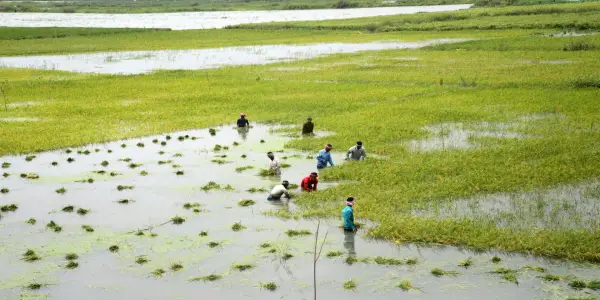
Global Rice Yields Plummet Due to Extreme...
The Resilient Desert Flora Thrives in Extreme...
Revival of Wild Turkeys: A Conservation Triumph...

U.S. Fish and Wildlife Service's Plan to Cull...

Scientists Warn Earth Has Reached Critical...
Hurricane Melissa Marks a Historic Category 5...
India's Climate Adaptation Fund Faces Budget Cuts...

Puffins Make Historic Return to Isle of Muck...
Unexpected Shift in North Pacific Storm Track...
Revolutionizing Ocean Research: Robotic Floats...

The Consensus Model at UN Climate Talks: An...

Revitalizing Wellness at Fairmont Chateau Lake...

Massive Leak Exposes 183 Million Email Passwords:...

OnePlus 15R Poised to Redefine Battery Life...

Japanese Trade Group, Including Studio Ghibli,...

Study Reveals Airborne Microplastics May...

Experts Caution Against Solar Geoengineering:...

Key Outcomes from COP30: Innovations in...
Lawsuit Alleges Tesla Wrongfully Terminated Deaf...

Foldable Phones on the Rise: 2026 Expected to...

Guide to Setting Up and Customizing Gemini Raise...

Residential ZIP Codes Linked to Increased...

The Emerging Debate on Geoengineering: A Call for...
Key Insights Ahead of COP30 Summit in Brazil: A...
Grand Egyptian Museum Unveiled as Torre dei Conti...

The Shift in Climate Discourse: Navigating the...
South Africa's G20 Agenda: Addressing Debt,...

Research Uncovers Factors Behind Weight Gain...

Sex Workers Launch 'Anti-OnlyFans' Platform to...

Meta Enhances Smart Glasses with Garmin and...