South Africa's G20 Agenda: Addressing Debt, Climate Change, and Inequality
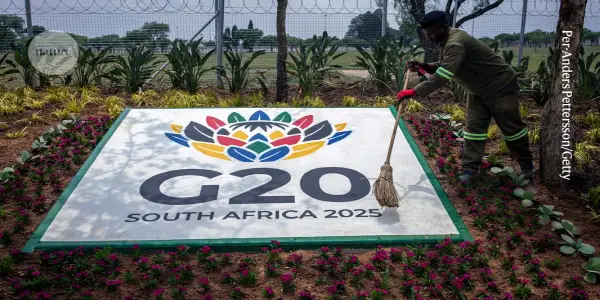
South Africa hosts the G20 summit in Johannesburg, focusing on debt relief, climate finance, and tackling global inequality in a historic first for Africa.
In-depth analysis
Current environmental changes
The Johannesburg G20 summit arrives amid escalating environmental challenges, particularly for low- and middle-income countries. These nations are struggling with the dual pressures of climate change adaptation and rising debt levels, worsened by the COVID-19 pandemic. This situation necessitates urgent discussions about climate finance and sustainable development to mitigate ongoing environmental degradation.
Impact on society
The anticipated decline in international aid threatens essential services and health systems in poorer nations, exacerbating existing inequalities. This situation could further destabilize communities reliant on external support, highlighting the urgency of addressing fiscal pressures.
Policy implications
The G20 summit underscores the need for a comprehensive approach to debt restructuring and climate finance. By advocating for a shift in aid dynamics and emphasizing the importance of fulfilling financial commitments, the discussions aim to foster a more equitable global economic landscape, particularly for developing nations.
Future outlook
As South Africa prepares to transition G20 leadership to the United States, the effectiveness of future summits will depend on the commitment of member nations to prioritize global inequalities. The outcomes from Johannesburg could influence long-term strategies for addressing these pressing challenges.
Did you know?
Why this concerns all of us
The outcomes of the G20 summit in Johannesburg will shape economic policies and financial aid that impact millions globally. As wealthier nations deliberate on debt relief and climate finance, the decisions made could either deepen the struggles of low-income countries or open pathways for sustainable development. This directly affects global stability, trade, and our interconnected futures, influencing everything from food prices to migration patterns.
Nature's hidden secret
Did you know that developing countries are expected to face a $2.5 trillion annual financing gap for climate change adaptation? This staggering figure highlights the urgent need for financial support from wealthier nations, as many of these countries lack the resources to combat climate impacts and invest in sustainable futures.
The person whose life climate changed
Meet Thandiwe Nkosi, a mother of three from rural South Africa. Since the onset of climate change, Thandiwe's community has faced severe droughts, drastically reducing crop yields. With rising debt and diminishing aid, her family struggles to afford basic necessities. Thandiwe hopes that the G20 summit will lead to actionable commitments for climate finance, allowing her community to invest in sustainable farming practices. For her, this summit isn't just a meeting of leaders; it's a lifeline for her children’s futures and a chance to break the cycle of poverty exacerbated by climate change.

Impact of Global Warming on Reptile Sex Ratios...

Heat Flow on Saturn’s Moon Enceladus Suggests...
Global Climate Action in the Absence of the US: A...

Exploring the Depths of Human Connection: Ursula...

Can New Alcohol Warning Labels Shift Ireland's...

Revitalizing Wellness at Fairmont Chateau Lake...
Tragic Cargo Plane Crash in Kentucky Claims Lives...

Urgent Action Needed as Scientists Warn of...
South Africa's G20 Agenda: Addressing Debt,...
Recent Study Indicates Accelerated Pace of Global...

Top Five Books Exploring the Intersection of...

Accelerating Climate Impacts Could Lead to...

Study Reveals Airborne Microplastics May...

Pipeline Dispute Challenges Canada's Energy...

The Crucible: A Test of Nerves in Snooker's Most...
India's Climate Adaptation Fund Faces Budget Cuts...

Foldable Phones on the Rise: 2026 Expected to...
The Resilient Desert Flora Thrives in Extreme...

Doom's Programming Error Sparks Renewed Interest...

Palantir's CEO Alex Karp Defends Company’s...
Projected Plastic Waste to Exceed 280 Million...

Bill Gates's Climate Remarks Spark Controversy...

Sex Workers Launch 'Anti-OnlyFans' Platform to...

Experts Caution Against Solar Geoengineering:...
Ancient Ice Sample Reveals 6 Million-Year-Old Air...

The Emerging Debate on Geoengineering: A Call for...

Teachers' Unions Take a Stand Against Climate...
Advocating for Forest Sovereignty: A Call for...
New Mapping of Antarctica's Subglacial Landscape...
Reevaluating the Polar Bear Narrative Amid...
Lawsuit Alleges Tesla Wrongfully Terminated Deaf...
UK Prepares for Cold Snap with Snow Forecasts...

Exploring Climate Change Through Sound: The Role...

AI's Water Consumption May Soon Match That of 10...

The Shift in Climate Discourse: Navigating the...
Breakthrough Research Unveils Thermal Convection...

Zaha Hadid Architects' Yidan Center Reaches...
Unexpected Shift in North Pacific Storm Track...

Massive Leak Exposes 183 Million Email Passwords:...