Surge in Satellite Launches Raises Concerns Over Environmental Impact, Experts Warn
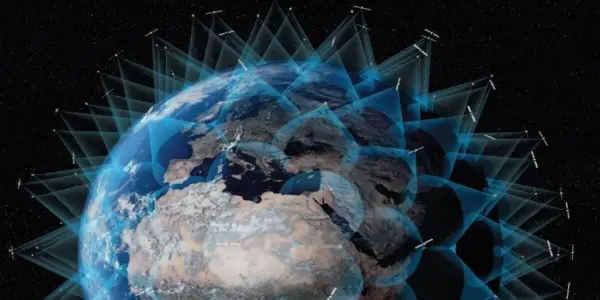
The rapid increase in satellite launches could have significant environmental consequences, including climate change and atmospheric pollution.
In-depth analysis
Current environmental changes
The rapid expansion of the satellite industry is leading to significant environmental shifts, particularly through increased emissions of black carbon from rocket launches. A recent study indicates that by the end of the decade, these emissions could represent nearly half of the climate impact associated with space pollution, raising concerns about their long-term effects on the atmosphere.
Impact on society
The surge in satellite launches poses risks to both climate stability and astronomical observations, potentially affecting various sectors, including agriculture, weather forecasting, and scientific research, which rely on accurate data and a stable environment.
Policy implications
The projected rise in emissions from the satellite sector calls for urgent regulatory measures to manage pollution. Policymakers must develop frameworks that balance industry growth with environmental protection, ensuring that emissions are monitored and controlled to mitigate adverse climate impacts.
Future outlook
As satellite launches continue to increase, the environmental implications are expected to escalate, necessitating ongoing research and monitoring. The development of cleaner propulsion technologies and stricter regulations will be crucial in addressing the potential climate risks associated with this burgeoning industry.
Did you know?
Why this concerns all of us
The rapid growth of the satellite industry impacts everyone, as it may contribute to climate change and affect daily life. With more satellites in orbit, the potential for increased black carbon emissions could exacerbate air quality issues and alter weather patterns. Communities already facing climate-related challenges might experience intensified effects, from heatwaves to unpredictable storms, making it essential to consider the broader environmental ramifications of our technological advancements.
Nature's hidden secret
Interestingly, black carbon from rocket launches can linger in the atmosphere much longer than previously thought. While terrestrial soot typically settles within days, black carbon from kerosene-fueled rockets can remain airborne for weeks, leading to significant, prolonged environmental impacts that could alter climate dynamics over time.
The person whose life climate changed
Maria Gonzalez, a farmer in rural California, noticed the weather changing dramatically over the past few years. What used to be predictable seasons have become erratic, with intense droughts followed by sudden floods. As satellite launches increase, Maria learned that black carbon emissions could be influencing these shifts. Now, she advocates for sustainable practices in her community, emphasizing the importance of understanding how technological developments in space could directly affect her crops and livelihood. Maria's story highlights the interconnectedness of our actions, urging local farmers and policymakers to consider the environmental costs of advancements in the satellite industry.
Expert Commentary

UK Prepares for Cold Snap with Snow Forecasts...
Projected Plastic Waste to Exceed 280 Million...

OnePlus 15R Poised to Redefine Battery Life...

The Shift in Climate Discourse: Navigating the...

KDE Plans to Phase Out X11 Support in Upcoming...

Council of Europe Chief Signals Openness to...
The Economic Risks of Abruptly Halting Solar...

The Impact of US Withdrawal on Global Climate...

Advocating for Forest Sovereignty: A Call for...

Meta Enhances Smart Glasses with Garmin and...
Ancient Ice Sample Reveals 6 Million-Year-Old Air...

Guide to Setting Up and Customizing Gemini Raise...

Accelerating Climate Impacts Could Lead to...

Global Rice Yields Plummet Due to Extreme...

Tehran on the Brink: Water Crisis Highlights...

Top Five Books Exploring the Intersection of...

Marvel Gears Up for a Major Avengers Event:...

Rerouted Shipping Offers Unique Insights into...

Emerging Superfoods from the Amazon: Beyond Açaí
The Emerging Debate on Geoengineering: A Call for...


Sex Workers Launch 'Anti-OnlyFans' Platform to...

Key Insights Ahead of COP30 Summit in Brazil: A...
Key Outcomes from COP30: Innovations in...
Trump's Environmental Policies Could Lead to 1.3...
Residential ZIP Codes Linked to Increased...
Global Climate Action in the Absence of the US: A...

Foldable Phones on the Rise: 2026 Expected to...
Reevaluating the Polar Bear Narrative Amid...

South Africa's G20 Agenda: Addressing Debt,...

Fisher Makes Historic Return to Ohio Forests...
Hurricanes and Droughts: A Dangerous Connection...
Emerging Ocean Hotspots Heighten Risk of...

Lab Gloves May Complicate Microplastics Research,...

Can New Alcohol Warning Labels Shift Ireland's...

Pipeline Dispute Challenges Canada's Energy...

OpenAI Introduces 'Group Chats' Feature in...
The Rapid Intensification of Hurricane Melissa...
New Mapping of Antarctica's Subglacial Landscape...

The Deadly Impact of Plastic Ingestion on Marine...