The Deadly Impact of Plastic Ingestion on Marine Life Unveiled
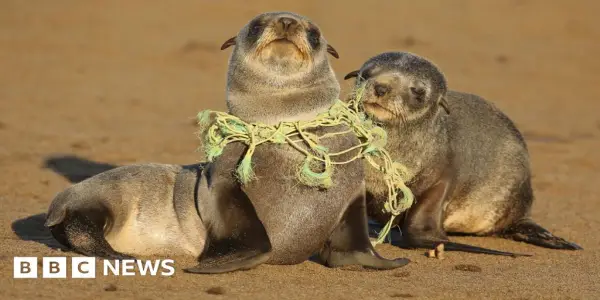
A new study reveals the shocking dangers of plastic ingestion for marine life, highlighting urgent conservation needs as seabirds and turtles face fatal risks.
In-depth analysis
Current environmental changes
Recent studies indicate a sharp increase in plastic pollution in marine environments, with alarming rates of ingestion among various species. Research reveals that even minimal plastic consumption can lead to fatal outcomes for seabirds and marine mammals, emphasizing the escalating crisis facing oceanic wildlife due to human activity.
Impact on society
The ingestion of plastic by marine animals poses significant risks not only to biodiversity but also to human health, as these species are integral to marine ecosystems and food chains. Such threats necessitate urgent public awareness and action.
Policy implications
The findings underscore the need for robust environmental policies aimed at reducing plastic production and enhancing waste management systems. Comprehensive strategies must be developed to address the ongoing crisis and protect vulnerable marine species from the harmful effects of plastic pollution.
Future outlook
Without immediate and concerted efforts to combat plastic pollution, the future of marine life remains bleak. Continued research and policy initiatives will be essential to ensure the sustainability of ocean ecosystems and the species that inhabit them.
Did you know?
Why this concerns all of us
Plastic pollution isn't just an ocean issue; it infiltrates our food chain. When marine animals ingest plastic, toxins can accumulate, ultimately affecting the seafood we consume. This means a direct link between our eating habits and the health of the ocean. Protecting marine life is vital, as it ensures a safer environment for our own well-being and future generations.
Nature's hidden secret
Remarkably, seabirds are known to ingest plastic more frequently than other marine animals, often mistaking it for food. Some species have been found with over 200 pieces of plastic in their stomachs, leading to malnutrition and death, a stark reminder of how pervasive plastic waste has become in natural habitats.
The person whose life climate changed
Meet Sarah Thompson, a marine biologist dedicated to studying the impact of plastic on ocean life. Growing up near the coast, Sarah has always felt a deep connection to the sea. After witnessing a sea turtle struggle with plastic ingestion during a research trip, her perspective shifted profoundly. That moment ignited her passion for conservation, driving her to advocate for policy changes and community clean-ups. Sarah now leads initiatives that educate local communities about reducing plastic use, demonstrating how individual actions can collectively foster significant environmental change. Her commitment inspires others to recognize that protecting marine ecosystems is essential for our planet's health.
Study Reveals Airborne Microplastics May...

South Africa's G20 Agenda: Addressing Debt,...
Impact of Global Warming on Reptile Sex Ratios...
Pipeline Dispute Challenges Canada's Energy...
Antarctic Robot Explorer Surfaces After Eight...

Lawsuit Alleges Tesla Wrongfully Terminated Deaf...

Sex Workers Launch 'Anti-OnlyFans' Platform to...

Tehran on the Brink: Water Crisis Highlights...
Understanding the Urgency of Climate Change: Key...
Decline in Indian Passport Ranking Despite...

Fisher Makes Historic Return to Ohio Forests...
Can New Alcohol Warning Labels Shift Ireland's...

Comprehensive 3D Map Showcases Every Building on...

Exploring the Depths of Human Connection: Ursula...

Golden Hare from Iconic Treasure Hunt Fetches...
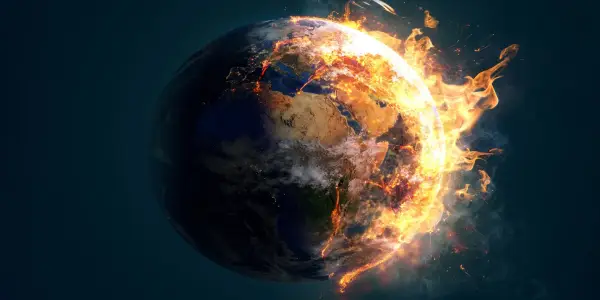
Recent Study Indicates Accelerated Pace of Global...
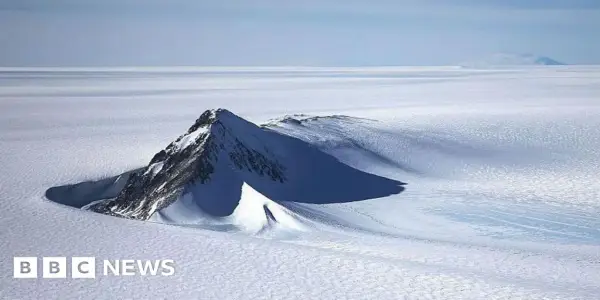
New Mapping of Antarctica's Subglacial Landscape...

Scientists Warn Earth Has Reached Critical...
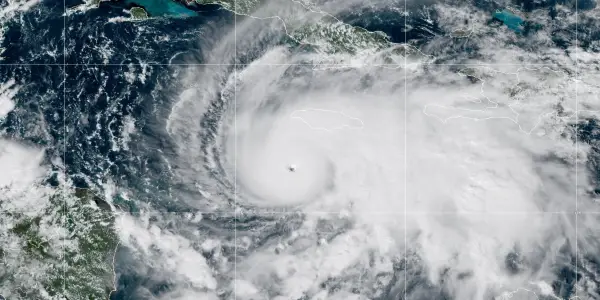
The Rapid Intensification of Hurricane Melissa...

Chronic Diseases in Animals Mirror Human Health...

Pacific Nations Set Ambitious Goal for 100%...

The Economic Risks of Abruptly Halting Solar...

Navigating Climate Distress Amid Brain Injury...

The Crucible: A Test of Nerves in Snooker's Most...

Massive Leak Exposes 183 Million Email Passwords:...

Revitalizing Wellness at Fairmont Chateau Lake...
OnePlus 15R Poised to Redefine Battery Life...
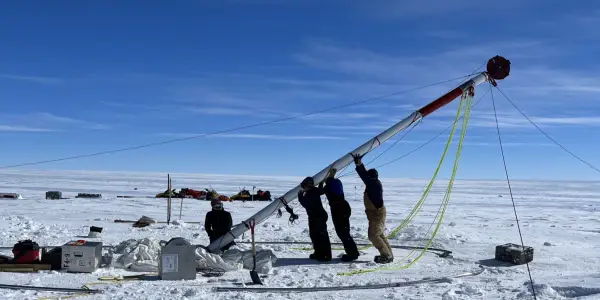
Ancient Ice Sample Reveals 6 Million-Year-Old Air...
The Deadly Impact of Plastic Ingestion on Marine...
Council of Europe Chief Signals Openness to...

Revisiting India's Air Quality Standards Amid...
Top Five Books Exploring the Intersection of...
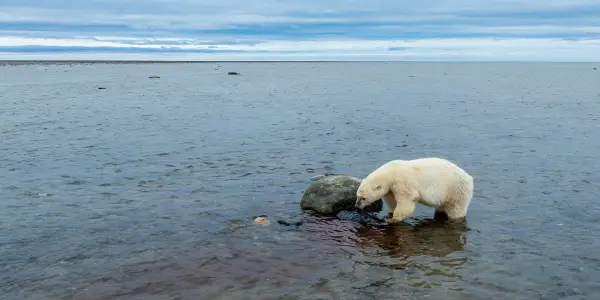
Reevaluating the Polar Bear Narrative Amid...

Accelerating Climate Impacts Could Lead to...

AI Unveils Hidden Lion Roar, Revolutionizing...

KDE Plans to Phase Out X11 Support in Upcoming...

Global Climate Action in the Absence of the US: A...

Zaha Hadid Architects' Yidan Center Reaches...

Teachers' Unions Take a Stand Against Climate...
Lab Gloves May Complicate Microplastics Research,...