Trump Administration's Arctic Oil Lease Sale Nets Just $3.7 Million
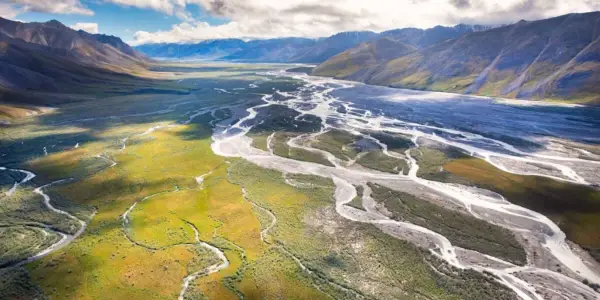
The recent oil lease sale in Alaska's Arctic National Wildlife Refuge drew minimal interest, raising just $3.7 million from two companies.
In-depth analysis
Current environmental changes
The recent oil and gas lease sale in Alaska's Arctic National Wildlife Refuge has highlighted a critical moment for environmental conservation. Despite the potential for economic gain, the low participation from major oil companies reflects growing concerns about the ecological integrity of this pristine area, home to endangered species and vital habitats.
Impact on society
The lease sale has polarized local communities, with some viewing it as a pathway to economic empowerment, while others fear the environmental repercussions. This division underscores the complex interplay between resource development and cultural preservation for indigenous populations.
Policy implications
The outcome of the lease sale raises significant questions about the effectiveness of current policies promoting energy independence. The lackluster results may prompt a reevaluation of strategies aimed at balancing economic interests with environmental protections, particularly in sensitive ecosystems like the ANWR.
Future outlook
Given the subdued interest from the oil industry, the future of drilling in the Arctic Refuge appears uncertain. Ongoing legal challenges and environmental advocacy may further complicate efforts to exploit the region's resources, potentially reshaping the landscape of energy policy.
Did you know?
Why this concerns all of us
The lackluster response to Alaska's Arctic drilling lease sale signals deeper issues about energy independence and environmental stewardship. With climate change affecting weather patterns and wildlife, the fate of the ANWR directly impacts our ecosystems and air quality. As communities debate economic growth versus conservation, the choices made today will shape the planet's health and our future access to natural resources.
Nature's hidden secret
The Arctic National Wildlife Refuge is home to the caribou, which undertake a 1,500-mile migration each year. Surprisingly, these animals are known to navigate using the Earth's magnetic field, a remarkable trait that helps them find the best grazing areas despite extreme weather conditions.
The person whose life climate changed
In Kaktovik, a small village within the ANWR, 35-year-old Eva Kalluk struggles with the conflicting realities of her community. As a member of the Iñupiat tribe, she sees potential in oil leasing for economic growth, yet she fears for the land that has sustained her ancestors for generations. 'This land is our lifeblood,' she says, reflecting on hunting and fishing traditions. Eva embodies a community divided: the promise of jobs versus the need to preserve a vital ecosystem. Her experience highlights the profound emotional connections people have to their land, illustrating how decisions made thousands of miles away can ripple through local lives.
Expert Commentary
Hurricane Melissa's Death Toll Reaches 28 in...

UK Prepares for Cold Snap with Snow Forecasts...

The Crucible: A Test of Nerves in Snooker's Most...
Impact of Global Warming on Reptile Sex Ratios...

Foldable Phones on the Rise: 2026 Expected to...
Global Climate Action in the Absence of the US: A...

Experts Caution Against Solar Geoengineering:...

Doom's Programming Error Sparks Renewed Interest...

Guide to Setting Up and Customizing Gemini Raise...

OpenAI Introduces 'Group Chats' Feature in...
Grand Egyptian Museum Unveiled as Torre dei Conti...

Emerging Superfoods from the Amazon: Beyond Açaí
Unprecedented Strength of Hurricane Melissa Marks...
Bill Gates's Climate Remarks Spark Controversy...
Breakthrough Research Unveils Thermal Convection...

Urgent Action Needed as Scientists Warn of...
Emerging Ocean Hotspots Heighten Risk of...
UN Treaty for High Seas Conservation Now Effective

Lawsuit Alleges Tesla Wrongfully Terminated Deaf...

Recent Study Indicates Accelerated Pace of Global...

Spring Studio Integrates Biomaterials for...

New Lancet Report Reveals Alarming Impact of...

AI's Water Consumption May Soon Match That of 10...

Chronic Diseases in Animals Mirror Human Health...
Deforestation-Free Beef: A Sustainable Approach...

Palantir's CEO Alex Karp Defends Company’s...

The Consensus Model at UN Climate Talks: An...

Revisiting India's Air Quality Standards Amid...

Residential ZIP Codes Linked to Increased...
Advocating for Forest Sovereignty: A Call for...
The Resilient Desert Flora Thrives in Extreme...

Marvel Gears Up for a Major Avengers Event:...

Dezeen Jobs Launches Initiative to Celebrate...

The Emerging Debate on Geoengineering: A Call for...

Scientists Warn Earth Has Reached Critical...

Pacific Nations Set Ambitious Goal for 100%...

New Report Highlights Risks of Marine Carbon...

Teachers' Unions Take a Stand Against Climate...

U.S. Fish and Wildlife Service's Plan to Cull...

Meta Enhances Smart Glasses with Garmin and...