Spring Studio Integrates Biomaterials for Sustainable Design at Wadden Sea World Heritage Centre
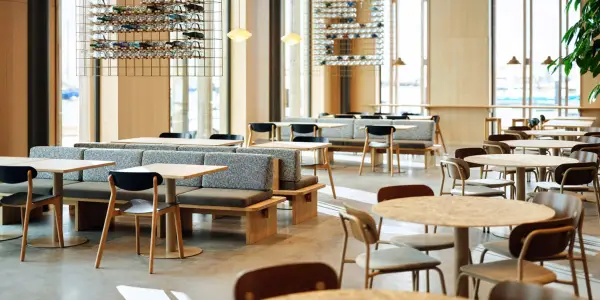
Spring Studio employs locally sourced bio-based materials, such as hemp and crushed seashells, to create a sustainable interior for the World Heritage Centre in Lauwersoog, Netherlands, a facility dedicated to research, education, and wildlife care.
In-depth analysis
Current environmental changes
The unveiling of the World Heritage Centre Wadden Sea in Lauwersoog marks a pivotal moment in sustainable architecture. The design incorporates locally sourced, bio-based materials like hemp and crushed seashells, reflecting a growing commitment to environmental stewardship. This project highlights the urgent need to address ecological concerns through innovative building practices that honor local resources.
Impact on society
The WEC serves as a multifunctional hub for research, education, and wildlife care, fostering community engagement with the Wadden Sea's ecological significance. Its design encourages sustainable practices, promoting awareness and appreciation of the natural environment among visitors and residents alike.
Policy implications
The emphasis on bio-based materials and sustainable design in the WEC project could influence local and national policies regarding building regulations and environmental standards. By showcasing practical applications of eco-friendly architecture, it may encourage policymakers to support initiatives that prioritize sustainability in construction and urban planning.
Future outlook
The success of the WEC could inspire a broader shift in the architecture industry toward sustainable practices. As awareness of environmental issues grows, future projects are likely to increasingly incorporate local materials and innovative designs that prioritize ecological integrity and community well-being.
Did you know?
Why this concerns all of us
The unveiling of the World Heritage Centre Wadden Sea's design underscores a critical shift towards sustainability in architecture. As climate change intensifies, buildings crafted from bio-based materials offer a tangible way to reduce carbon footprints. This project not only serves as a model for future developments but also impacts local communities by promoting eco-tourism and environmental education, making sustainability a part of daily life.
Nature's hidden secret
The Wadden Sea is not only a UNESCO World Heritage site, but it also serves as a crucial habitat for over 10 million migratory birds each year. This rich biodiversity plays a vital role in global ecosystems, demonstrating the interconnectedness of nature and the importance of preserving such areas for both wildlife and human benefit.
The person whose life climate changed
Meet Annelies van der Meer, a local teacher in Lauwersoog, who has witnessed the transformative power of sustainable architecture first-hand. As she guides her students through the WEC, she sees their eyes light up with excitement and curiosity about nature and conservation. This space has become a living classroom, where Annelies instills in her students the importance of protecting their coastal environment. The WEC's focus on local materials resonates deeply with her, as it reflects the region's identity and fosters pride in sustainability. Annelies believes that through education and engagement with such innovative spaces, the next generation can cultivate a profound respect for the planet, ensuring a healthier future for both people and wildlife.
Study Reveals Airborne Microplastics May...

South Africa's G20 Agenda: Addressing Debt,...
Impact of Global Warming on Reptile Sex Ratios...

Pipeline Dispute Challenges Canada's Energy...
Antarctic Robot Explorer Surfaces After Eight...
Lawsuit Alleges Tesla Wrongfully Terminated Deaf...

Sex Workers Launch 'Anti-OnlyFans' Platform to...
Tehran on the Brink: Water Crisis Highlights...
Understanding the Urgency of Climate Change: Key...

Decline in Indian Passport Ranking Despite...
Fisher Makes Historic Return to Ohio Forests...

Can New Alcohol Warning Labels Shift Ireland's...
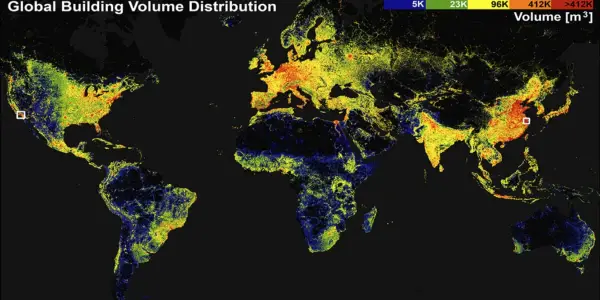
Comprehensive 3D Map Showcases Every Building on...
Exploring the Depths of Human Connection: Ursula...

Golden Hare from Iconic Treasure Hunt Fetches...

Recent Study Indicates Accelerated Pace of Global...
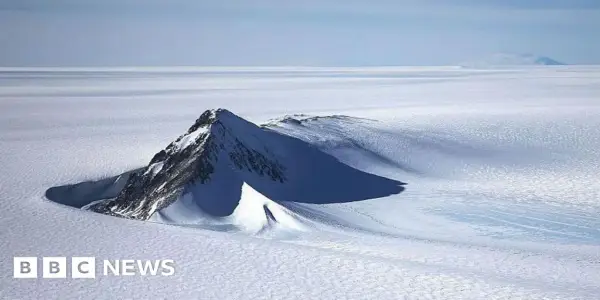
New Mapping of Antarctica's Subglacial Landscape...

Scientists Warn Earth Has Reached Critical...
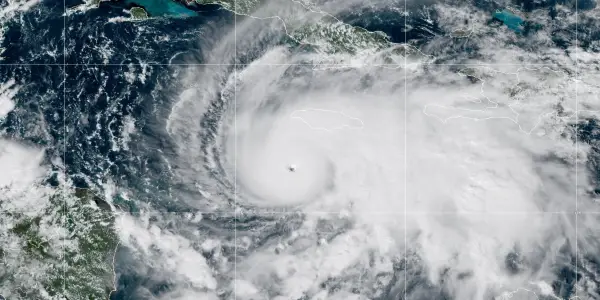
The Rapid Intensification of Hurricane Melissa...

Chronic Diseases in Animals Mirror Human Health...
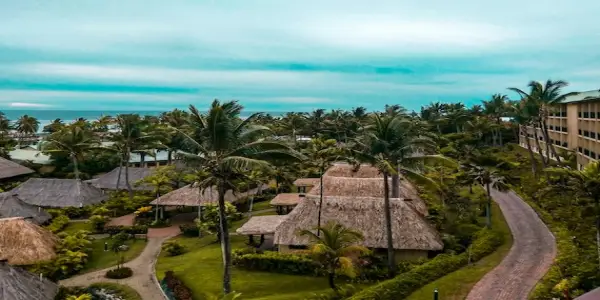
Pacific Nations Set Ambitious Goal for 100%...
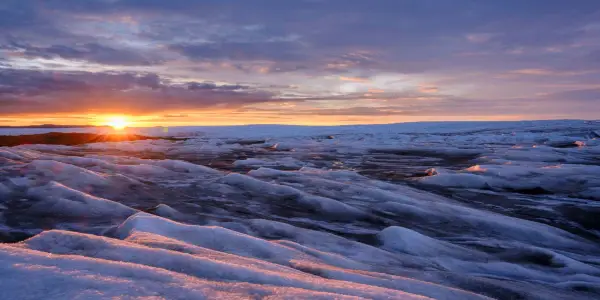
The Economic Risks of Abruptly Halting Solar...

Navigating Climate Distress Amid Brain Injury...

The Crucible: A Test of Nerves in Snooker's Most...

Massive Leak Exposes 183 Million Email Passwords:...
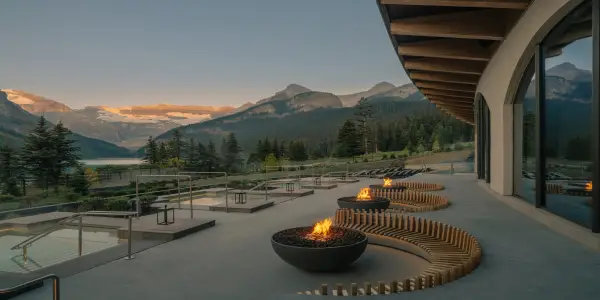
Revitalizing Wellness at Fairmont Chateau Lake...
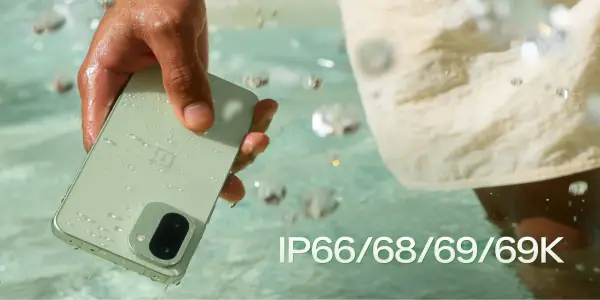
OnePlus 15R Poised to Redefine Battery Life...
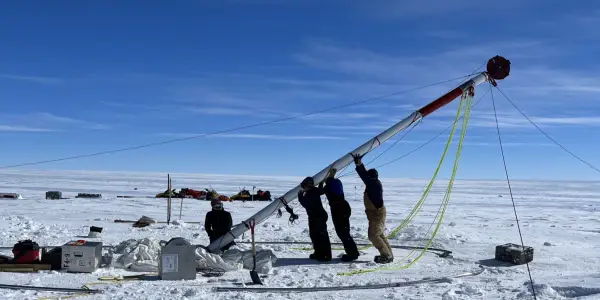
Ancient Ice Sample Reveals 6 Million-Year-Old Air...
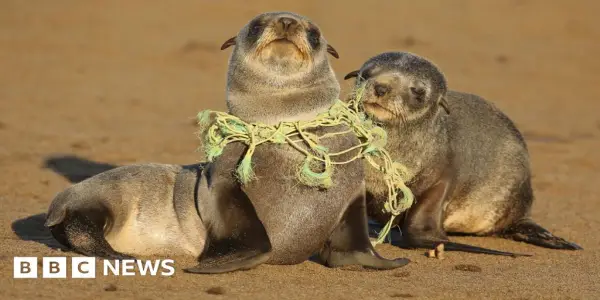
The Deadly Impact of Plastic Ingestion on Marine...
Council of Europe Chief Signals Openness to...

Revisiting India's Air Quality Standards Amid...
Top Five Books Exploring the Intersection of...
Reevaluating the Polar Bear Narrative Amid...
Accelerating Climate Impacts Could Lead to...

AI Unveils Hidden Lion Roar, Revolutionizing...

KDE Plans to Phase Out X11 Support in Upcoming...
Global Climate Action in the Absence of the US: A...
Zaha Hadid Architects' Yidan Center Reaches...

Teachers' Unions Take a Stand Against Climate...
Lab Gloves May Complicate Microplastics Research,...