Trump's Proposal to Revoke Roadless Rule Poses Risks to Drinking Water for Millions
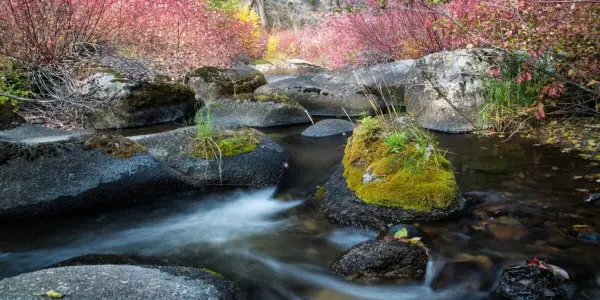
Conservation experts warn that Trump's move to rescind the 2001 roadless rule could endanger clean water supplies for millions in the American West.
In-depth analysis
Current environmental changes
The potential repeal of the 2001 roadless rule poses a significant threat to vital ecosystems across nearly 58 million acres of national forests. Recent studies indicate that this initiative could jeopardize critical watersheds that supply clean drinking water to approximately 25 million Americans, highlighting the delicate balance between development and environmental preservation.
Impact on society
The rollback of the roadless rule could result in diminished access to clean water for millions, potentially increasing public utility costs and impacting local communities dependent on these resources.
Policy implications
Rescinding the roadless rule raises urgent policy questions about environmental protection and public health. The lengthy bureaucratic process for amending such regulations emphasizes the need for comprehensive public input and rigorous environmental assessments to safeguard water quality and ecosystem integrity.
Future outlook
The future of the roadless rule remains uncertain, as public sentiment strongly favors its preservation. Ongoing debates and studies will likely influence policy decisions, shaping the trajectory of environmental protection efforts in the coming years.
Did you know?
Why this concerns all of us
The potential repeal of the roadless rule affects everyone, as it directly threatens drinking water sources for 25 million Americans. Clean water is fundamental to daily life, impacting health, agriculture, and local economies. If road construction and timber harvesting are permitted in these protected areas, the resulting contamination could lead to increased water treatment costs, affecting households and municipalities alike.
Nature's hidden secret
Forested areas act as natural water filters, capturing rainfall and enhancing water quality. Research shows that these ecosystems can effectively remove contaminants before they reach rivers and reservoirs, ensuring cleaner drinking water. This vital role of forests often goes unnoticed, despite their significance in our everyday lives.
The person whose life climate changed
Maria Lopez, a single mother living in Bozeman, Montana, relies heavily on the clean water provided by the nearby national forests. After a recent study revealed the potential risks of repealing the roadless rule, she felt a wave of anxiety. For Maria, the drinking water isn’t just a convenience; it’s a lifeline for her children’s health. The forests have always been a source of solace and community for her family, and she fears that the loss of this protection could jeopardize both their water supply and the natural beauty that enriches their lives. Maria has since joined local advocacy groups, determined to voice her concerns and protect the environment that sustains her family.
Expert Commentary

Exploring Climate Change Through Sound: The Role...
The Resilient Desert Flora Thrives in Extreme...
Advocating for Forest Sovereignty: A Call for...
Accelerating Climate Impacts Could Lead to...

Teachers' Unions Take a Stand Against Climate...
Key Outcomes from COP30: Innovations in...
Hurricanes and Droughts: A Dangerous Connection...
Global Climate Action in the Absence of the US: A...

Study Reveals Airborne Microplastics May...
Revisiting India's Air Quality Standards Amid...

Doom's Programming Error Sparks Renewed Interest...

Rerouted Shipping Offers Unique Insights into...

Chronic Diseases in Animals Mirror Human Health...
The Overlooked Link Between Climate Change and...
Revolutionizing Ocean Research: Robotic Floats...

Foldable Phones on the Rise: 2026 Expected to...

Puffins Make Historic Return to Isle of Muck...
Decline in Indian Passport Ranking Despite...
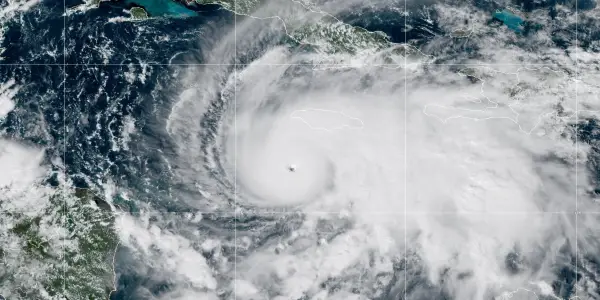
The Rapid Intensification of Hurricane Melissa...
Pacific Nations Set Ambitious Goal for 100%...

Revitalizing Wellness at Fairmont Chateau Lake...
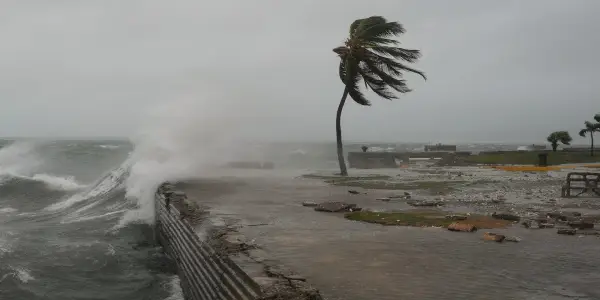
Hurricane Melissa Marks a Historic Category 5...

Golden Hare from Iconic Treasure Hunt Fetches...
Key Insights on the Future of Electricity Demand...
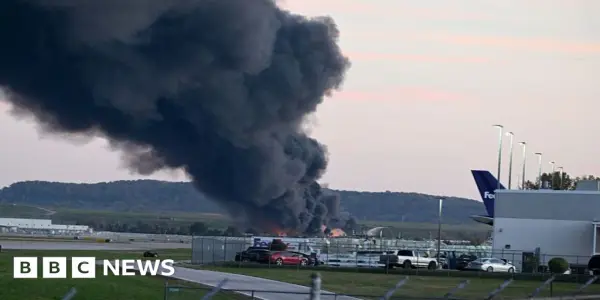
Tragic Cargo Plane Crash in Kentucky Claims Lives...

Council of Europe Chief Signals Openness to...

Palantir's CEO Alex Karp Defends Company’s...
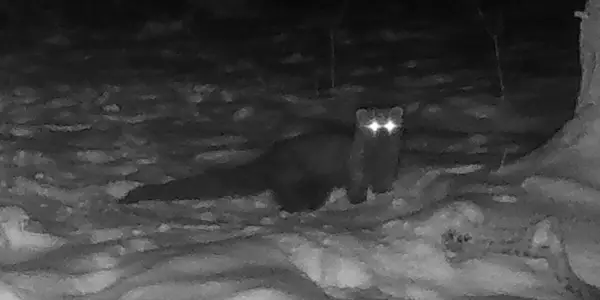
Fisher Makes Historic Return to Ohio Forests...

Guide to Setting Up and Customizing Gemini Raise...
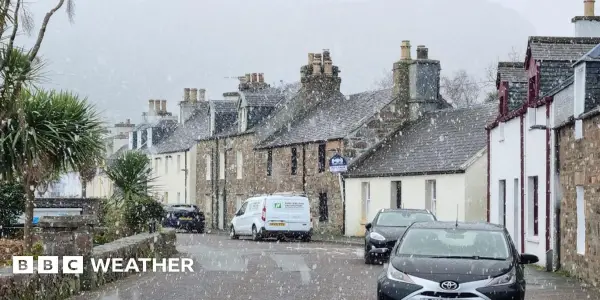
UK Prepares for Cold Snap with Snow Forecasts...
Understanding the Urgency of Climate Change: Key...
Unexpected Shift in North Pacific Storm Track...

Emerging Superfoods from the Amazon: Beyond Açaí
Projected Plastic Waste to Exceed 280 Million...

Revival of Wild Turkeys: A Conservation Triumph...

Urgent Action Needed as Scientists Warn of...
Trump's Environmental Policies Could Lead to 1.3...