Trump's Environmental Policies Could Lead to 1.3 Million Additional Climate-Related Deaths
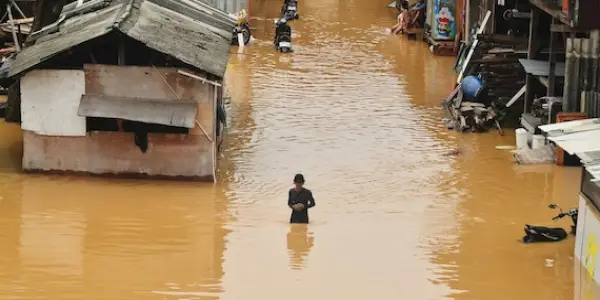
A new analysis highlights the potential impact of U.S. fossil fuel expansion on global temperature-related fatalities, particularly in vulnerable regions.
In-depth analysis
Current environmental changes
Recent analyses reveal a troubling trajectory for global temperatures, exacerbated by policies favoring fossil fuel production. The rollback of environmental protections during the Trump administration is projected to contribute significantly to rising temperatures, resulting in an estimated 1.3 million additional deaths linked to climate change, particularly affecting impoverished regions in Africa and South Asia.
Impact on society
The projected increase in temperature-related deaths underscores a dire public health crisis, particularly for vulnerable populations. Outdoor laborers, the elderly, and those with pre-existing conditions face heightened risks from heat-related illnesses as climate change intensifies.
Policy implications
The findings raise critical questions about the efficacy of current environmental policies, emphasizing the need for a reevaluation of fossil fuel interests. With the U.S. absent from key climate discussions, there is an urgent call for policy frameworks that prioritize sustainability and public health over corporate agendas.
Future outlook
If emissions trends continue unchecked, the world may face millions of temperature-related deaths in the coming decades. The urgency of addressing climate change is paramount, as the implications for global health and environmental stability become increasingly severe.
Did you know?
Why this concerns all of us
The projected increase of 1.3 million deaths due to climate change policies affects us all, as it highlights the urgent need for global action. Rising temperatures can lead to more extreme weather, impacting food security, water access, and public health worldwide. When impoverished nations suffer, the ripple effects reach developed countries through migration, economic instability, and global health crises, reminding us that climate change knows no borders.
Nature's hidden secret
Surprisingly, rising temperatures can disrupt the migratory patterns of birds, leading to mismatches in their breeding cycles and food availability. This can result in ecological imbalances, affecting not only bird populations but also the plant species they pollinate, showcasing the interconnectedness of climate change effects on biodiversity.
The person whose life climate changed
Aditi Sharma, a 34-year-old outdoor farmer in India, has felt the devastating impact of climate change firsthand. With rising temperatures and unpredictable monsoons, her once-thriving crops have dwindled, forcing her family into debt. Aditi recalls the days when she could rely on seasonal patterns, but now, the heat makes it unbearable to work the fields. Each day brings the fear of losing her livelihood and the uncertainty of feeding her children, highlighting how policies made far from her home can drastically alter lives.

Advocating for Forest Sovereignty: A Call for...
Scientists Warn Earth Has Reached Critical...
Hurricanes and Droughts: A Dangerous Connection...

Exploring the Depths of Human Connection: Ursula...

The Consensus Model at UN Climate Talks: An...

Antarctic Robot Explorer Surfaces After Eight...

Experts Caution Against Solar Geoengineering:...
Lawsuit Alleges Tesla Wrongfully Terminated Deaf...
Comprehensive 3D Map Showcases Every Building on...

South Africa's G20 Agenda: Addressing Debt,...

Golden Hare from Iconic Treasure Hunt Fetches...

New Lancet Report Reveals Alarming Impact of...
The Overlooked Link Between Climate Change and...

Study Reveals Airborne Microplastics May...
Hurricane Melissa Marks a Historic Category 5...

Massive Leak Exposes 183 Million Email Passwords:...

New Report Highlights Risks of Marine Carbon...
Key Insights Ahead of COP30 Summit in Brazil: A...

Research Uncovers Factors Behind Weight Gain...

Tehran on the Brink: Water Crisis Highlights...

Bill Gates's Climate Remarks Spark Controversy...

Introducing the Clamshell Writer Deck: A Focused...

Chronic Diseases in Animals Mirror Human Health...
The Resilient Desert Flora Thrives in Extreme...
India's Climate Adaptation Fund Faces Budget Cuts...
Breakthrough Research Unveils Thermal Convection...
New Mapping of Antarctica's Subglacial Landscape...

Top Five Books Exploring the Intersection of...

Foldable Phones on the Rise: 2026 Expected to...
Unprecedented Strength of Hurricane Melissa Marks...
Deforestation-Free Beef: A Sustainable Approach...

Meta Enhances Smart Glasses with Garmin and...
Reevaluating the Polar Bear Narrative Amid...
Revival of Wild Turkeys: A Conservation Triumph...

Pacific Nations Set Ambitious Goal for 100%...

Palantir's CEO Alex Karp Defends Company’s...

Exploring Climate Change Through Sound: The Role...
Residential ZIP Codes Linked to Increased...

OpenAI Introduces 'Group Chats' Feature in...