Antarctic Sea Ice Faces Dramatic Decline Amid Climate Change Influences
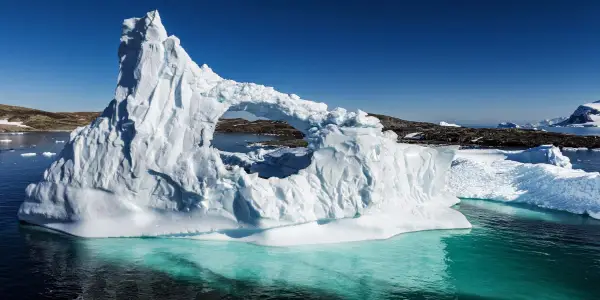
Recent studies reveal that warmer ocean temperatures and intensified winds are driving a significant reduction in Antarctic sea ice, marking a critical environmental shift.
In-depth analysis
Current environmental changes
Antarctic sea ice extent has dramatically decreased since 2016, marking a significant shift from its previously resilient state. This decline is attributed to intensified winds and warm deep ocean currents that disrupt the ice's protective layers, highlighting a concerning trend in the region's climate dynamics.
Impact on society
The melting Antarctic ice threatens marine species reliant on ice habitats, such as krill, which can have cascading effects on global fisheries and food security, ultimately impacting human communities dependent on these resources.
Policy implications
The alarming changes in Antarctic sea ice dynamics necessitate urgent policy responses to mitigate climate change impacts. Policymakers must prioritize research funding and international cooperation to address the interconnected challenges posed by ocean and atmospheric shifts.
Future outlook
The trajectory of Antarctic sea ice remains uncertain, with potential for rapid changes if warm ocean currents continue to rise. Ongoing monitoring and adaptive strategies will be crucial in managing the ecological and climatic consequences of this evolving situation.
Did you know?
Why this concerns all of us
The drastic decline of Antarctic sea ice impacts everyone, not just those living nearby. As marine ecosystems falter, species like krill—essential to global food webs—face threats. This could disrupt fish populations and ultimately affect seafood availability and prices worldwide. Additionally, shifts in ocean currents can alter weather patterns, influencing climate stability and agriculture far beyond polar regions.
Nature's hidden secret
Antarctic sea ice has historically been resilient to climate change, even expanding at times. However, since 2016, it has experienced unprecedented melting due to warm ocean currents and intensified winds, challenging previous assumptions about its stability. This rapid change highlights the complex interactions between ocean dynamics and ice integrity.
The person whose life climate changed
Meet Sarah Johnson, a 34-year-old marine biologist from New Zealand. For years, she has dedicated her life to studying krill, a vital species in the Antarctic ecosystem. Recently, she’s witnessed firsthand the drastic changes in sea ice, which has led to declining krill populations. This shift has not only threatened her research but also personal connections, as her family's seafood business relies heavily on healthy fish stocks. Sarah's passion for the ocean fuels her advocacy for climate action, pushing her to engage communities in understanding the broader impacts of environmental changes. Her journey reflects the urgent need for collective action to protect vulnerable ecosystems.
Expert Commentary
Advocating for Forest Sovereignty: A Call for...
Scientists Warn Earth Has Reached Critical...
Hurricanes and Droughts: A Dangerous Connection...
Exploring the Depths of Human Connection: Ursula...

The Consensus Model at UN Climate Talks: An...
Antarctic Robot Explorer Surfaces After Eight...

Experts Caution Against Solar Geoengineering:...
Lawsuit Alleges Tesla Wrongfully Terminated Deaf...
Comprehensive 3D Map Showcases Every Building on...

South Africa's G20 Agenda: Addressing Debt,...
Hurricane Melissa's Death Toll Reaches 28 in...

New Lancet Report Reveals Alarming Impact of...
The Overlooked Link Between Climate Change and...

Study Reveals Airborne Microplastics May...
Hurricane Melissa Marks a Historic Category 5...

Massive Leak Exposes 183 Million Email Passwords:...
New Report Highlights Risks of Marine Carbon...
Key Insights Ahead of COP30 Summit in Brazil: A...

Research Uncovers Factors Behind Weight Gain...
Tehran on the Brink: Water Crisis Highlights...

Bill Gates's Climate Remarks Spark Controversy...

Introducing the Clamshell Writer Deck: A Focused...

Chronic Diseases in Animals Mirror Human Health...
The Resilient Desert Flora Thrives in Extreme...
India's Climate Adaptation Fund Faces Budget Cuts...
Breakthrough Research Unveils Thermal Convection...
New Mapping of Antarctica's Subglacial Landscape...

Top Five Books Exploring the Intersection of...

Foldable Phones on the Rise: 2026 Expected to...
Unprecedented Strength of Hurricane Melissa Marks...
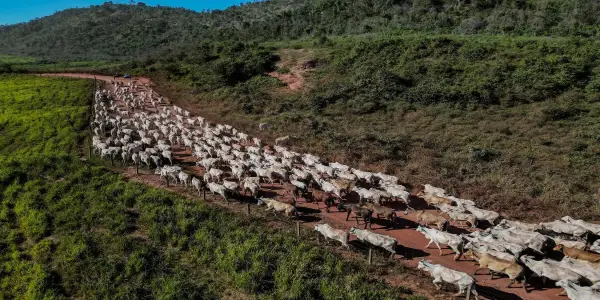
Deforestation-Free Beef: A Sustainable Approach...

Meta Enhances Smart Glasses with Garmin and...
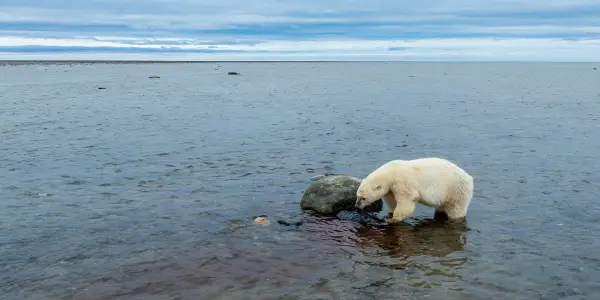
Reevaluating the Polar Bear Narrative Amid...
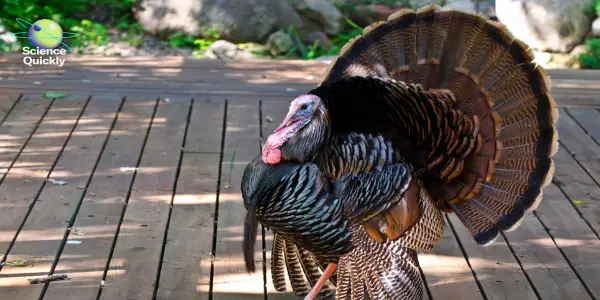
Revival of Wild Turkeys: A Conservation Triumph...

Pacific Nations Set Ambitious Goal for 100%...

Palantir's CEO Alex Karp Defends Company’s...

Exploring Climate Change Through Sound: The Role...
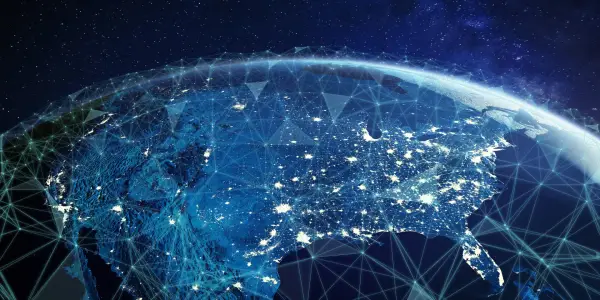
Residential ZIP Codes Linked to Increased...

OpenAI Introduces 'Group Chats' Feature in...