Devastating Floods in Bangladesh Claim 51 Lives and Displace Thousands
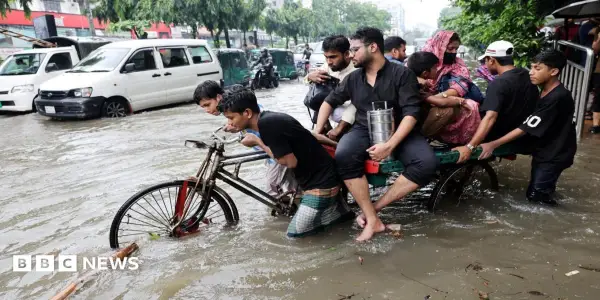
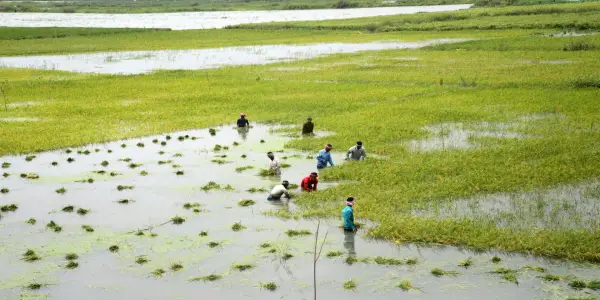
Severe flooding in Bangladesh has resulted in 51 fatalities, displacing over a million and impacting the Rohingya refugee community.
In-depth analysis
Current environmental changes
Bangladesh is experiencing severe environmental changes, marked by intensified rainfall and flooding attributed to climate change. This year's monsoon has brought unprecedented levels of precipitation, particularly affecting low-lying areas like Cox's Bazar, where the flooding has been exacerbated by the region's geographical vulnerabilities and inadequate infrastructure.
Impact on society
The floods have devastated local communities, resulting in over one million displaced individuals, many of whom are Rohingya refugees already in precarious situations. The loss of life and destruction of property have further strained already limited resources.
Policy implications
This disaster highlights urgent policy needs, including the implementation of comprehensive disaster management strategies and enhanced infrastructure investments. There is a pressing requirement for policies that address climate resilience, particularly for vulnerable populations in flood-prone areas.
Future outlook
Looking ahead, Bangladesh faces ongoing challenges related to climate change and extreme weather events. Without significant investment in resilience and adaptation strategies, the frequency and severity of such disasters are likely to increase, further jeopardizing the well-being of affected communities.
Did you know?
Why this concerns all of us
The floods in Bangladesh highlight a growing global crisis: climate change affects us all, transcending borders. As extreme weather patterns become more frequent, cities worldwide face similar threats, from rising sea levels to intensified storms. This disaster reminds everyone of the urgent need for proactive climate policies. Each community's resilience is interconnected, and our actions today can mitigate future crises.
Nature's hidden secret
Did you know that wetlands can absorb up to 70% of floodwater? These natural systems act like sponges, helping to manage excess rainfall and reduce flooding impacts. Yet, urban expansion and climate change are rapidly diminishing these vital ecosystems, making regions like Bangladesh even more vulnerable to catastrophic flooding.
The person whose life climate changed
Meet Amina, a 34-year-old teacher in Cox's Bazar, whose life was forever altered by the recent floods. As floodwaters engulfed her school, she lost not only her students but also her home. Amina now seeks refuge in a government shelter, grappling with the trauma of loss while trying to support her displaced community. Her resilience shines through as she organizes daily lessons for children in the shelter, ensuring that education continues despite the chaos. Amina's story embodies the strength of the human spirit in the face of climate-induced adversity, reminding us that behind every statistic are lives deeply affected by the changing climate.
Expert Commentary

Antarctic Robot Explorer Surfaces After Eight...

Introducing the Clamshell Writer Deck: A Focused...

U.S. Fish and Wildlife Service's Plan to Cull...
Pacific Nations Set Ambitious Goal for 100%...

New Report Highlights Risks of Marine Carbon...

The Emerging Debate on Geoengineering: A Call for...
Emerging Ocean Hotspots Heighten Risk of...

Impact of Global Warming on Reptile Sex Ratios...

Key Insights on the Future of Electricity Demand...
Recent Study Indicates Accelerated Pace of Global...
Unprecedented Strength of Hurricane Melissa Marks...

The Crucible: A Test of Nerves in Snooker's Most...

Guide to Setting Up and Customizing Gemini Raise...

Top Five Books Exploring the Intersection of...

UK Prepares for Cold Snap with Snow Forecasts...

Exploring the Depths of Human Connection: Ursula...
Key Outcomes from COP30: Innovations in...
Breakthrough Research Unveils Thermal Convection...

Sex Workers Launch 'Anti-OnlyFans' Platform to...
Hurricane Melissa's Death Toll Reaches 28 in...
South Africa's G20 Agenda: Addressing Debt,...

Japanese Trade Group, Including Studio Ghibli,...

The Economic Risks of Abruptly Halting Solar...

Lab Gloves May Complicate Microplastics Research,...

Bill Gates's Climate Remarks Spark Controversy...
The Overlooked Link Between Climate Change and...

Emerging Superfoods from the Amazon: Beyond Açaí
Revolutionizing Ocean Research: Robotic Floats...

Palantir's CEO Alex Karp Defends Company’s...

Foldable Phones on the Rise: 2026 Expected to...

New Mapping of Antarctica's Subglacial Landscape...
Grand Egyptian Museum Unveiled as Torre dei Conti...
Hurricanes and Droughts: A Dangerous Connection...

Revival of Wild Turkeys: A Conservation Triumph...
The Resilient Desert Flora Thrives in Extreme...
Reevaluating the Polar Bear Narrative Amid...
Global Rice Yields Plummet Due to Extreme...

AI Unveils Hidden Lion Roar, Revolutionizing...

Study Reveals Airborne Microplastics May...